He highlighted the main sources of air pollution:
- burning coal in the private sector - 40%;
- old cars - 30%;
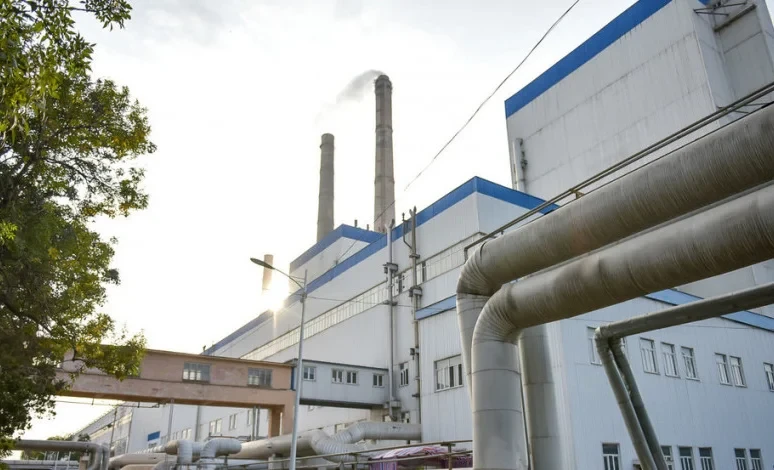
- heat and power plants (TPPs) - 15%;
- dirt - 13.5%;
- industrial enterprises - 1.5%.
The improvement in the situation is also linked to the extinguishing of the landfill fire and the construction of a waste incineration plant. Currently, work is underway on reclamation: 3,000 seedlings have been planted over an area of 5 hectares. As part of the "Zhasyl Muras" project, 8 million 233 thousand trees were planted in the country last year, of which 38 thousand were in Bishkek.
According to Mashiev, there are 972,252 gasoline vehicles, 339,938 diesel vehicles, 56,900 gas-gasoline vehicles, 37 thousand hybrids, and 15,278 electric cars registered in Kyrgyzstan, which accounts for only 0.8% of the total vehicle fleet.
He also reported that by 2025, the number of vehicles will increase to 4,500, with an age not exceeding five years. Due to air pollution, the ministry and the municipal inspection of the city of Bishkek have imposed fines totaling more than 3 million soms.
Deputy Nilufar Alimjanova asked how much the pollution indicators have actually decreased.
In response, Deputy Minister of Emergency Situations Ernest Jusupov stated that the level of pollution is monitored in Bishkek, Osh, Kara-Balta, Tokmok, and Cholpon-Ata, where 14 stationary points and one automatic station have been established. In Bishkek, Issyk-Ata, and Sokuluk, there are also 50 automatic sensors for monitoring pollution.
"In the past, there were days when pollution levels exceeded the norm by 12 times, but now the situation has improved," added the deputy head of the Ministry of Emergency Situations.
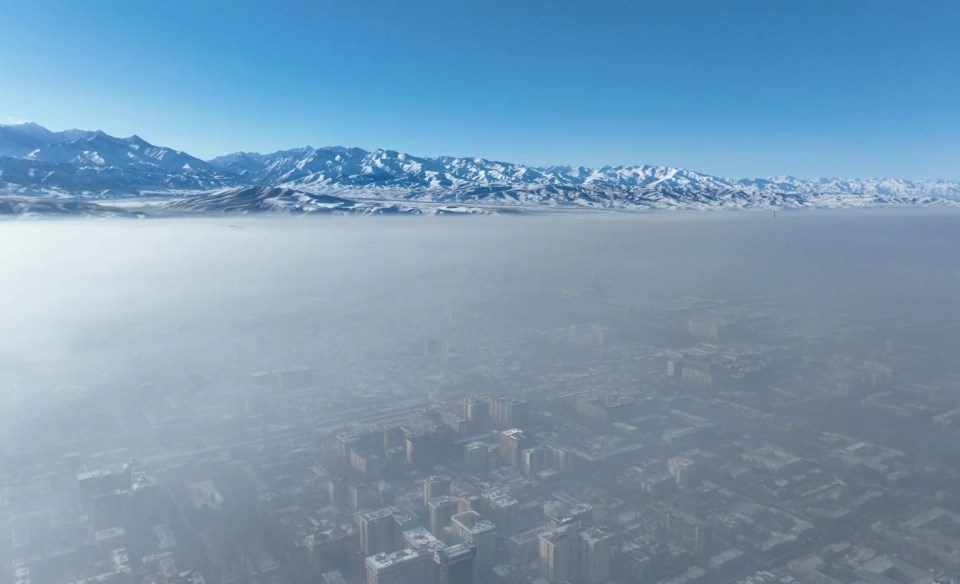
Daniyar Tologonov, Deputy Director of the Hydrometeorological Service (Kyrgyzhydromet), noted that the level of smog in Bishkek has significantly decreased compared to 2023, which is also related to the warm weather.