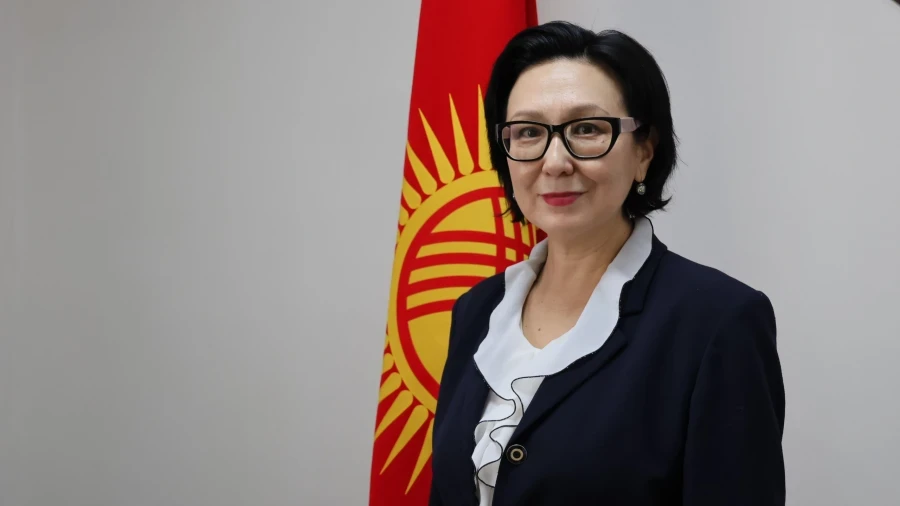
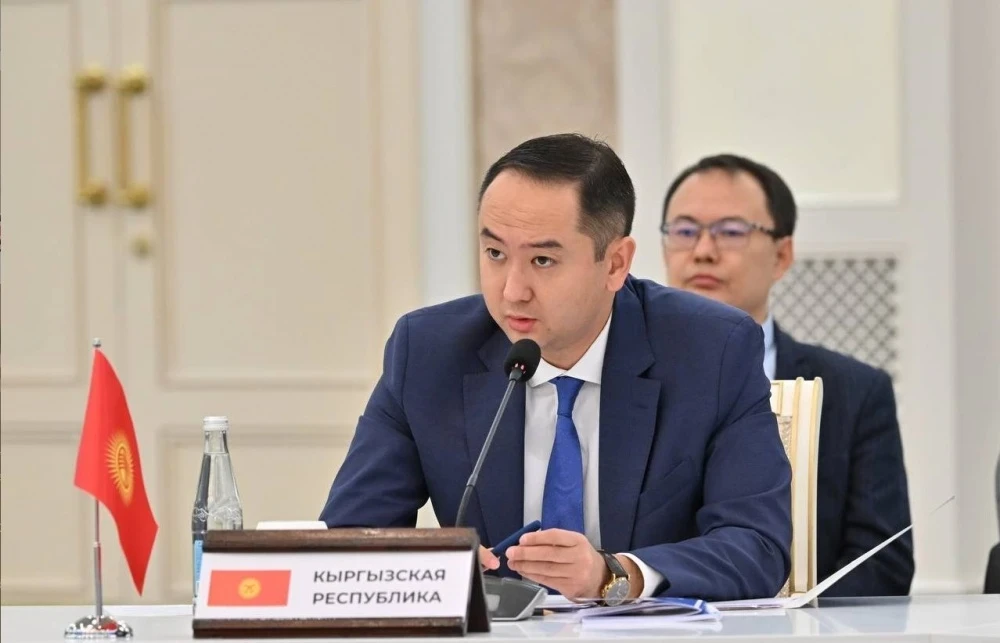
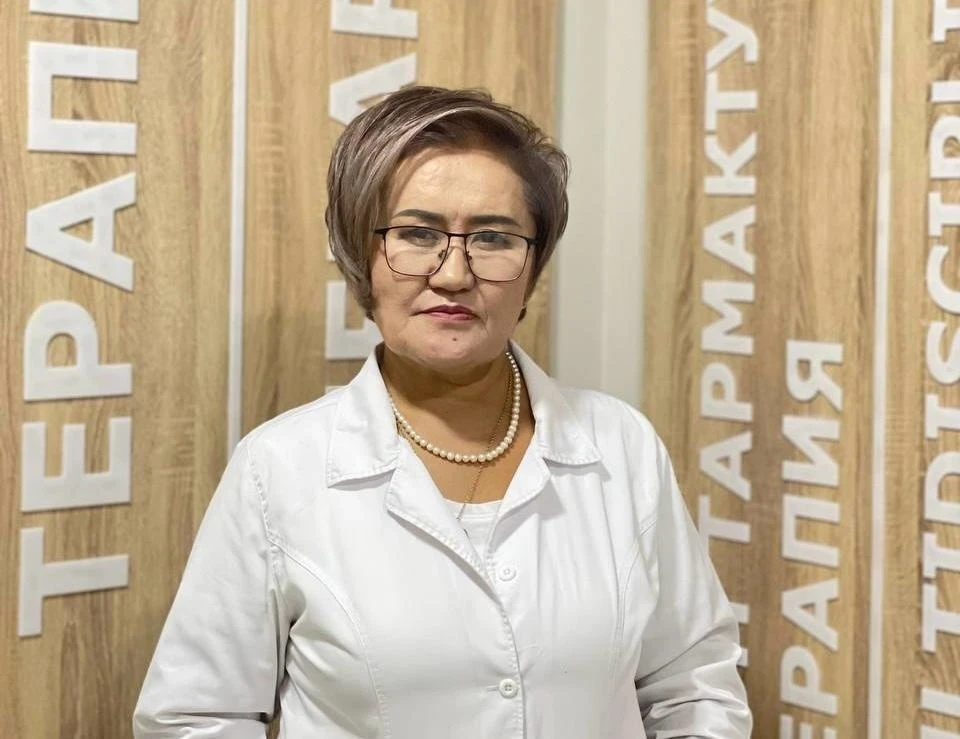
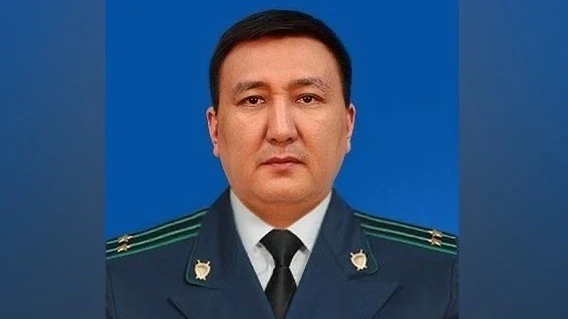
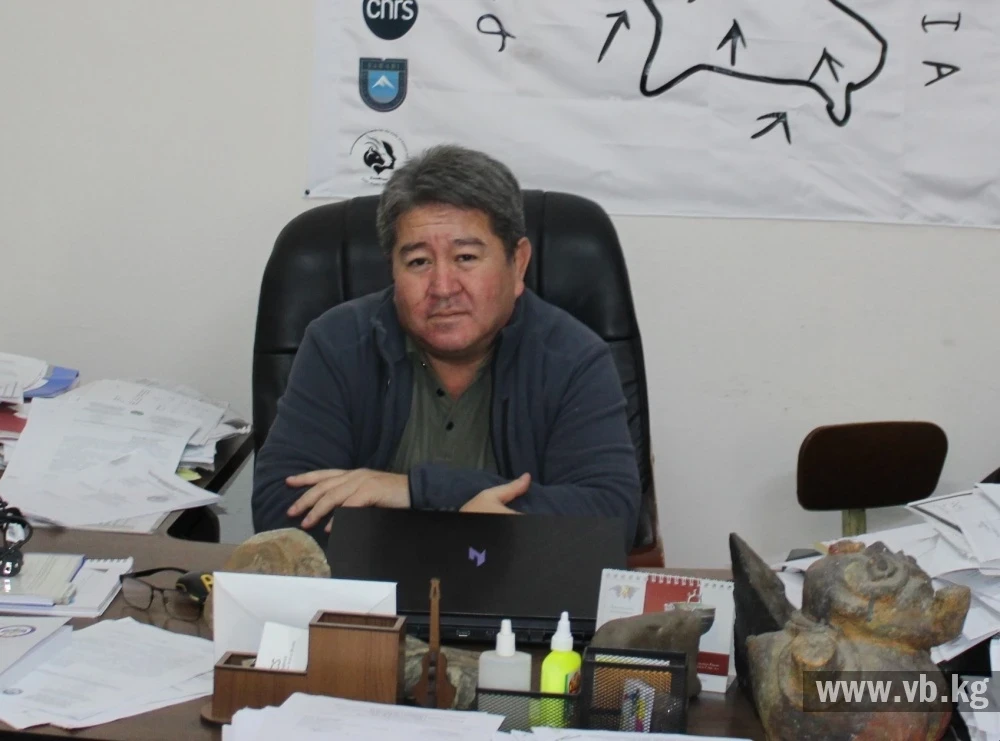
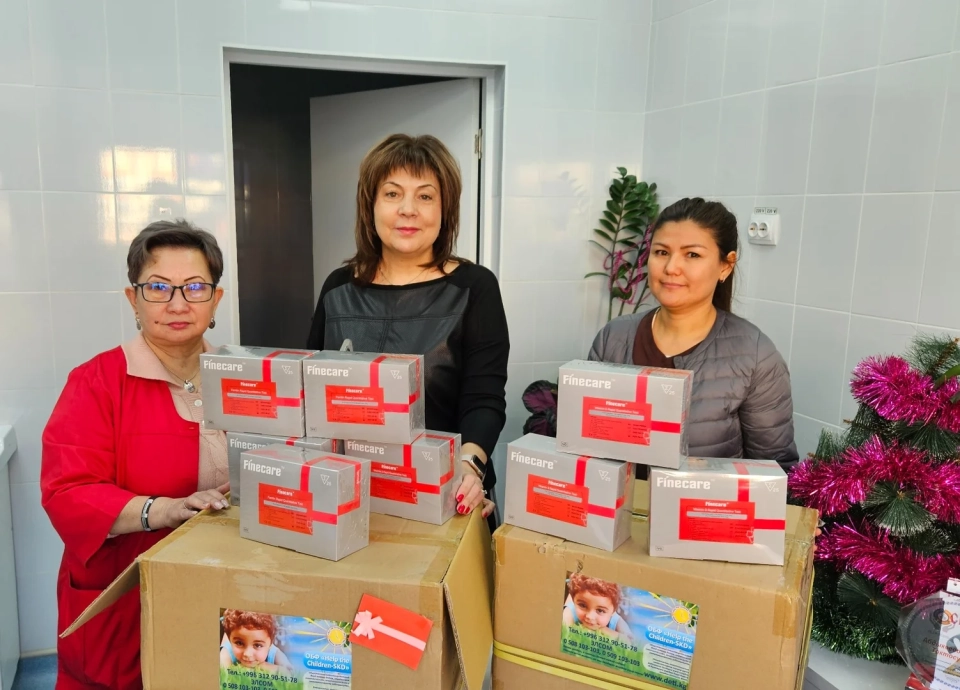
Deputy Minister of Labor, Social Security and Migration Ainura Orozbaeva spoke about how these initiatives will be implemented in practice and what changes they may bring to the social sphere in an interview for 24.kg.
Transition to Preventive Measures
The importance of the memorandum lies in the transition to a new model of cooperation, as stated by Ainura Orozbaeva.“The document establishes a new paradigm of work — from responding to existing problems to their prevention. We are creating a unified space where government agencies, NGOs, and international partners can act in concert. This allows for a continuous process of assistance — from identifying problems to comprehensive support for families. Such an approach reduces the fragmentation of solutions and makes support more accessible to citizens,” she emphasizes.
The Deputy Minister also highlights the importance of early detection of family crises.
“Financial difficulties, psychological pressure, and the threat of losing housing are signals that need to be responded to immediately. Early assistance can prevent serious consequences and simultaneously reduce the burden on the social protection system in the long term,” she added.
Improving Social Worker Training
One of the priority tasks will be to enhance the qualifications of specialists in the social sphere.“The effectiveness of social assistance is directly related to the quality of training of specialists, and we pay special attention to this. New educational programs are being implemented, inter-agency cooperation is being strengthened, and collaboration with international partners is expanding. A modern social worker must be able to assess the situation comprehensively, taking into account psychological, social, and legal aspects. This will increase citizens' trust in the system and the effectiveness of decisions made,” noted Orozbaeva.
Project "Эне үйү": Integrated Assistance
Within the framework of the preventive system, the project "Эне үйү" ("Mother's Home") is being implemented, supported by Mother’s Home International Foundation.The center provides women with a safe space and comprehensive assistance, including psychological support, legal consultations, and medical care. According to Orozbaeva, the integrated approach allows not only to address current issues but also to preserve the family as the primary environment for the child's development.
Special attention is paid to preventing the abandonment of newborns — one of the most challenging social issues.
“Support at the most vulnerable moment helps to preserve not only the child but also the family's future. Abandonment often occurs due to fear, isolation, and lack of support. When a woman receives help and sees possibilities, it significantly increases the chances of keeping the child,” the deputy minister is confident.
Support for Restoring Confidence
Comprehensive assistance includes:- psychological support to overcome stress and anxiety;
- medical care to ensure the safety of the mother and child;
- social-legal consultations that clarify rights, benefits, and available services;
- temporary housing that allows stabilizing the situation without external pressure.
This approach is aimed not at replacing the family but at preserving and strengthening it. The deputy minister emphasizes that it is the family that provides emotional and social development for the child.
Long-term Plans and Regional Context
Kyrgyzstan continues to develop a preventive model of social policy, actively collaborating with partners, as stated by Ainura Orozbaeva.“Openness to partnership is one of the strongest advantages of Kyrgyzstan's social policy. It is expected that systemic support for families will help reduce the level of social orphanhood by eliminating its root causes. The sooner assistance is provided, the lower the risk that a child will end up outside the family. Ultimately, new measures should give women confidence and the opportunity to emerge from crisis while preserving their family and dignity. This will give children a chance to grow up in a safe and loving environment, which is the foundation of a stable and healthy society,” she concluded.
The signed memorandum represents not just an agreement on cooperation but a key part of a long-term strategy aimed at strengthening the institution of the family and developing preventive social policy. This approach, according to the deputy minister, will not only address today's problems but also create a sustainable support system for future generations.