It should be noted that the concept of recidivism and increased responsibility for it were abolished in the country as of January 1, 2019, when a new edition of the Criminal Code was adopted.
According to Borbieyev, "the exclusion of the institution of recidivism of crimes did not yield the expected results. It weakened the measures of responsibility for participants in organized criminal groups, often consisting of individuals with multiple convictions, which allowed them to expand their influence." The explanatory note to the draft law states that recidivism is recognized as the commission of a deliberate crime by a person who has already been convicted of a similar act.
The proposed changes to the law include a number of measures:
- Increased penalties for recidivism: minimum sentences will be half, two-thirds, and three-quarters of the maximum sentence depending on the degree of danger of the recidivism.
- In cases of dangerous and especially dangerous recidivism, release from criminal liability by agreement with the victim is not permitted.
- Recidivism will be considered an aggravating circumstance.
- Individuals convicted of crimes committed under conditions of dangerous or especially dangerous recidivism are not subject to probation supervision.
- Conditional early release does not apply to recidivists.
- A qualifying feature of recidivism will be added to a number of crimes related to organized crime, which will lead to stricter liability.
There is also a provision for the confiscation of property for certain crimes to enhance citizens' accountability for actions that may be classified as crimes.
Deputy Minister of Internal Affairs Erkebek Ashirkhodzhaev reported that the following were excluded from the draft law:
- additions to Article 18 of the Criminal Code that would exempt from liability for minor offenses;
- exemptions from Article 50 of the Criminal Code concerning harm caused while performing official duties.
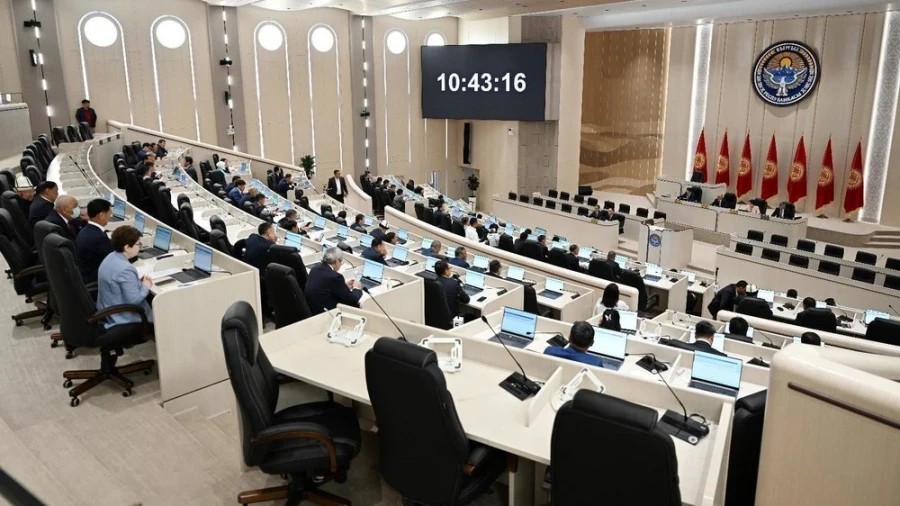
The photo on the main page is for illustrative purposes.