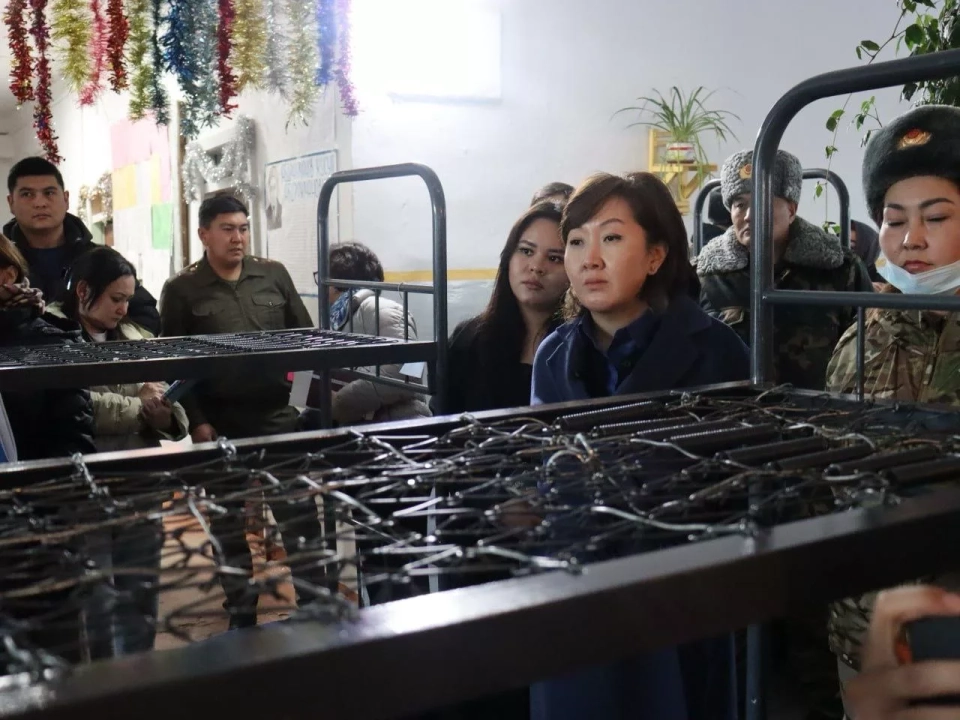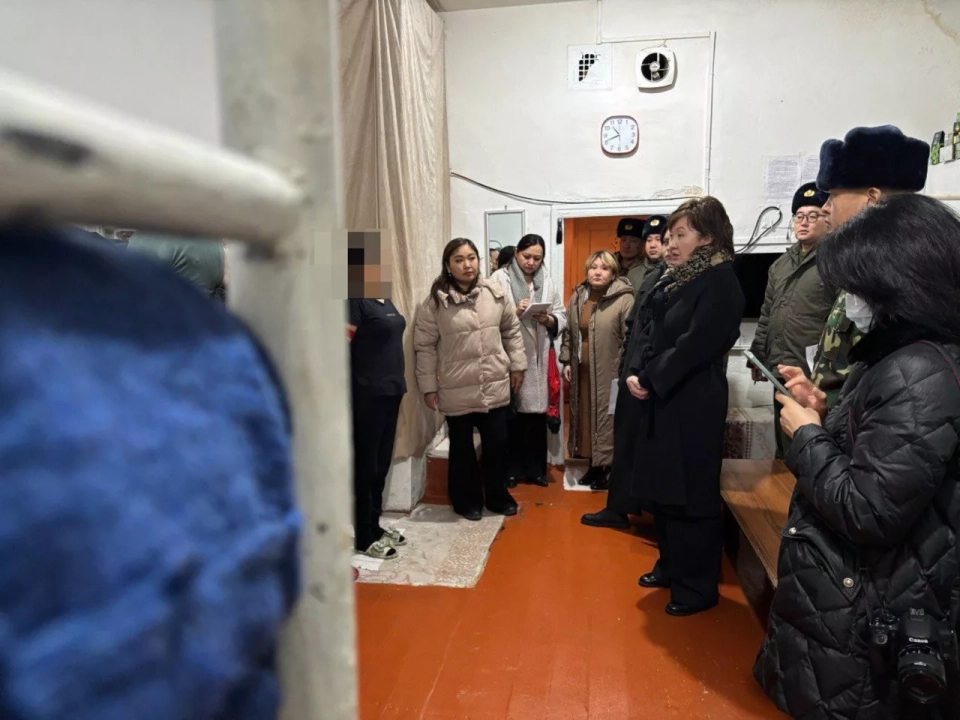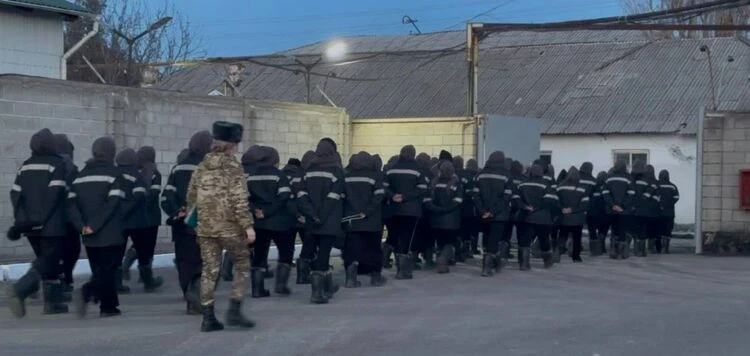
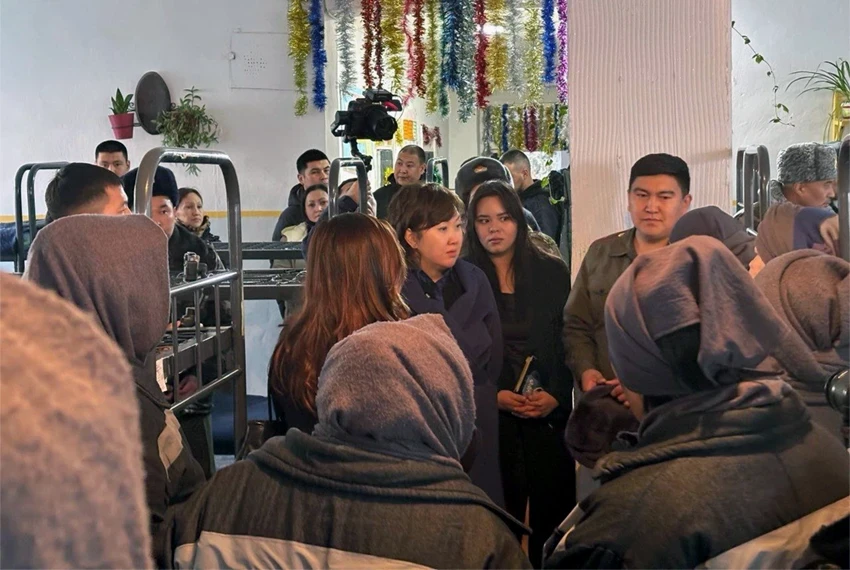
Recently, the Ombudsman of Kyrgyzstan, Jamilya Dzhamanbaeva, visited the women's colony located in the village of Stepnoye to familiarize herself with the conditions in which the inmates are held.
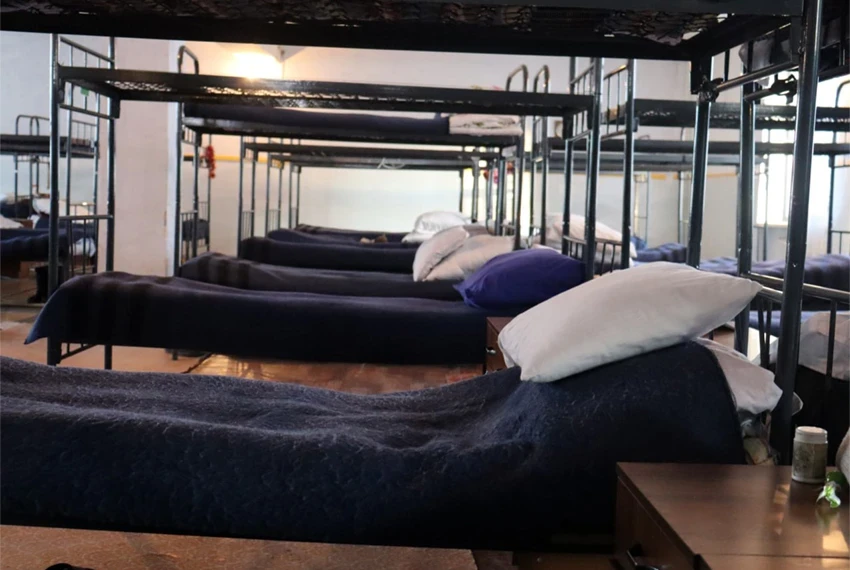
During the visit, she toured all the buildings of the colony, including the children's home, medical unit, kitchen, and dormitory, and held conversations with the women, among whom were two minors and several foreigners serving their sentences.
Currently, there are 292 women in the facility, aged from 17 to 78 years. Of these, 248 are serving their sentences in general regime conditions, 22 in strict conditions, and 34 in a strict regime.
During a personal reception, about 40 women were able to address the ombudsman. Among their requests were:
- requests for parole;
- issues with obtaining probation;
- complaints about unjustified court decisions and incorrect calculation of time in pre-trial detention, where one day is counted as two;
- two inmates asked for assistance in obtaining passports, as they only had old documents;
- regarding hygiene products: mainly household soap is provided, while other items are issued irregularly;
- they expressed concern about the lack of medicines, especially for elderly women.
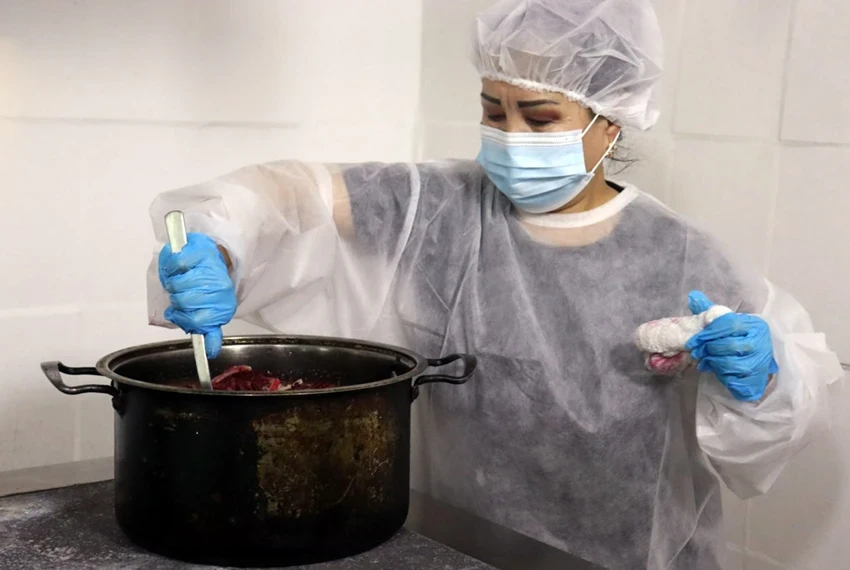
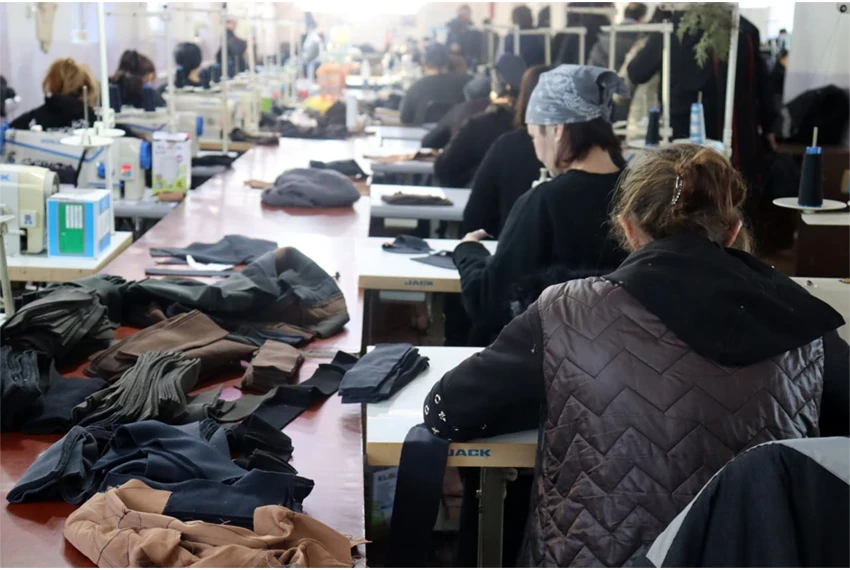
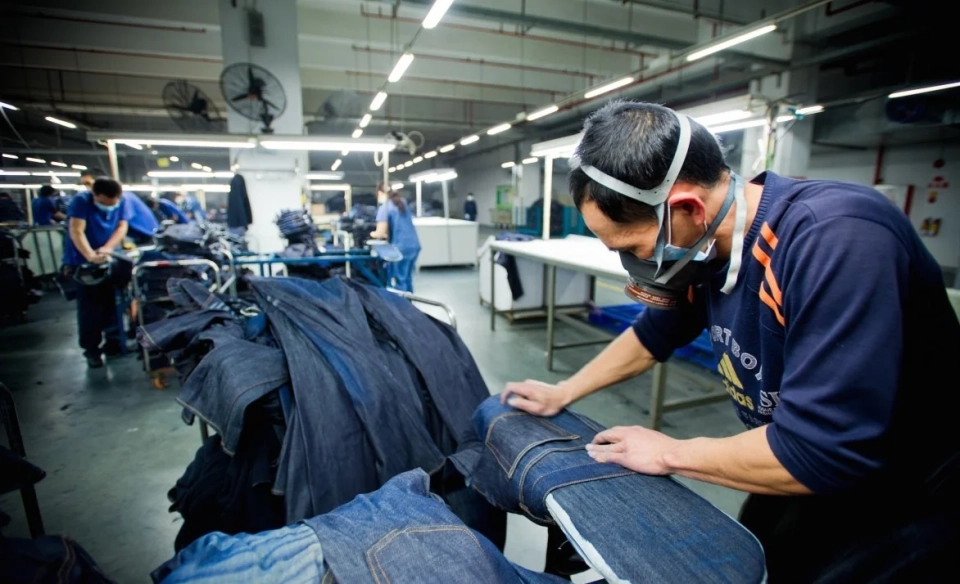
On the territory of the colony, there is a sewing workshop and a bakery where inmates work. They are also engaged in the kitchen, hairdressing, and the shop. During the conversations, the women did not express dissatisfaction with the working conditions and mentioned a recent increase in wages.
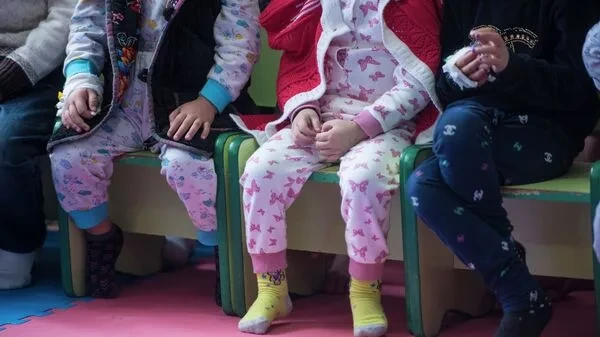
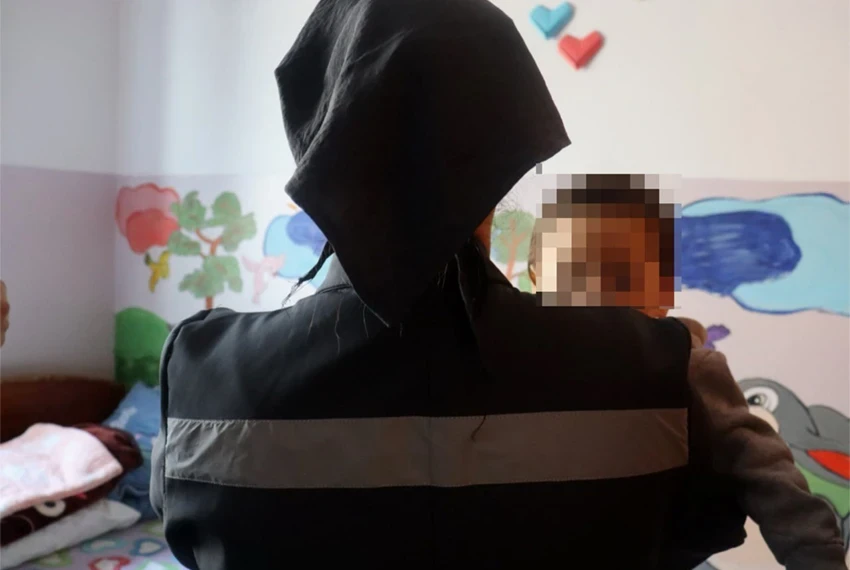
In the children's home, there are five mothers with children under three years old, the youngest being only two weeks old. The mothers reported that they are provided with everything necessary.
In the medical unit, seven women are undergoing treatment, one of whom—a 69-year-old inmate diagnosed with stage three cancer—requested assistance in being released for health reasons.
Additionally, the colony houses 18 foreign women from Kazakhstan, India, Uzbekistan, Tajikistan, and other countries, some of whom have requested extradition to their homeland.