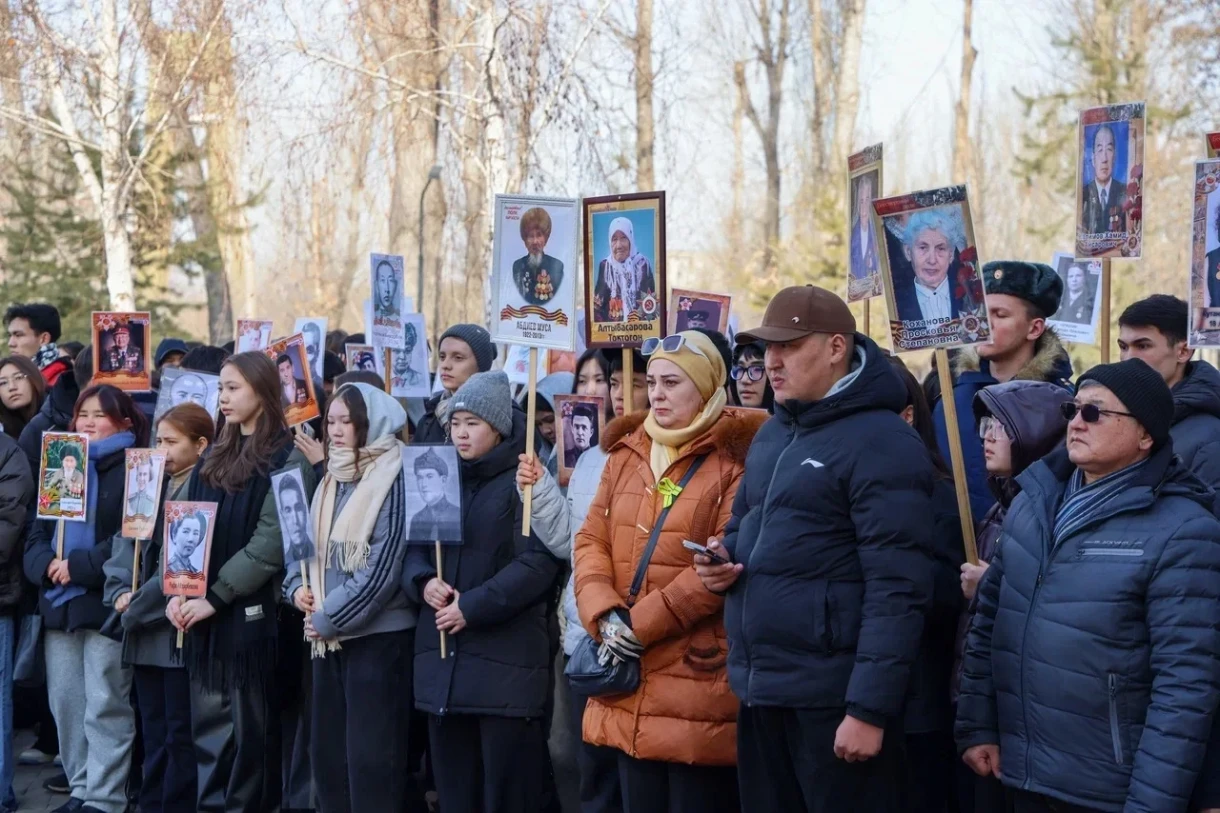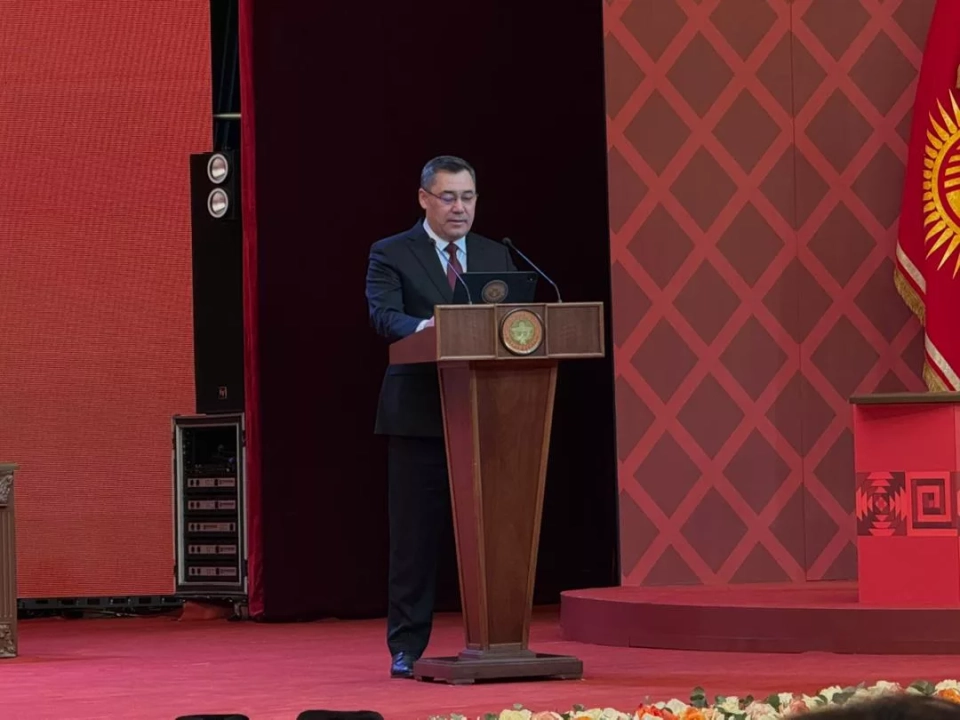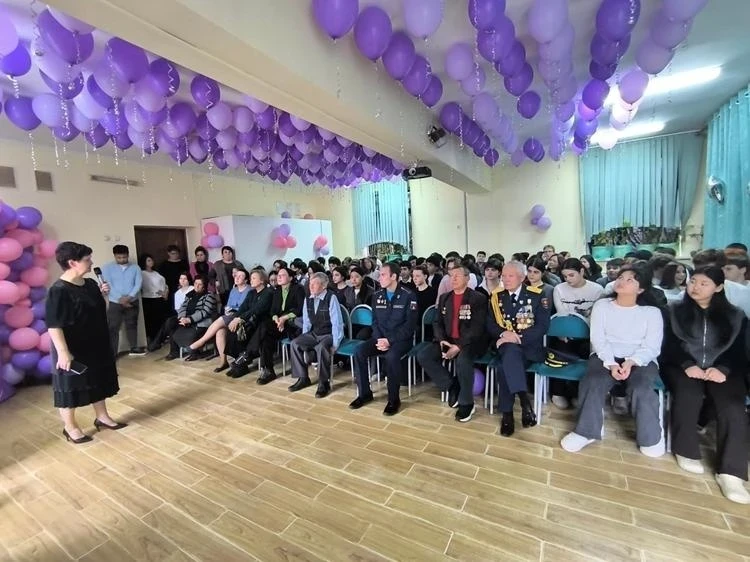
Deputy Director of the center, Natalia Kreck, addressed the students, discussing key events that influenced the outcome of the war: from the blockade of Leningrad to the Battle of Stalingrad and the heavy fighting near Rzhev. She noted that the Battle of Rzhev holds special significance for the Kyrgyz people, as tens of thousands of soldiers from the 360,000 called to the front died in this battle. At a time when the population of the republic was just over a million, every fourth citizen went to war.
The speakers emphasized that the memory of the war is currently subject to manipulation. According to the organizers, external forces are trying to make the descendants of the victors ashamed of their ancestors' feats, which could lead to a rift between nations. "Hitler's plan was not aimed at the prosperity of our peoples, but at the complete destruction of the population of the USSR and the capture of resources. If victory had not been achieved, neither Kyrgyzstan nor we would exist," emphasized Natalia Kreck.
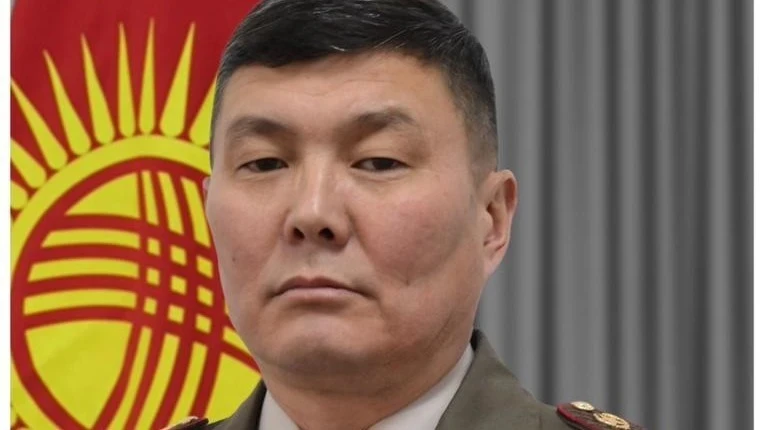
This viewpoint was supported by retired Colonel Erken Jumataev, who reminded that in 1941, most European countries were under Nazi control, and their main goal was to seize Caspian oil. The resilience of Soviet soldiers thwarted these plans, ensuring freedom not only for the Soviet Union but for the entire world. Veteran Vladimir Nezhinsky urged the youth to value the "gene of the victor" instilled in them, noting that a people who forget their past is deprived of a future.
The practical part of the event was dedicated to methods of preserving family history. The coordinator of the "Immortal Regiment of Kyrgyzstan" movement, Zulfiya Khaibullina, presented the electronic platform www.moypolk.ru and urged students to fill the archive with information about their ancestors. The cultural program continued with the executive director of the "Union of Women for Traditional Values," Janil Bokonbaeva, who presented a unique collection "Kyrgyz Poets about Victory" and an animated film about the feat of the Panfilov Division.
School director Olga Voroshikhina noted that for "Eureka," preserving memory is a systematic effort. By the 80th anniversary of Victory, thanks to the efforts of teachers and students, the biographies of 11 veterans who lived in the village of Birlik were immortalized in poetry. Concluding the meeting, the organizers expressed hope that such lessons would help the youth develop immunity to historical manipulations and maintain a sense of national pride.