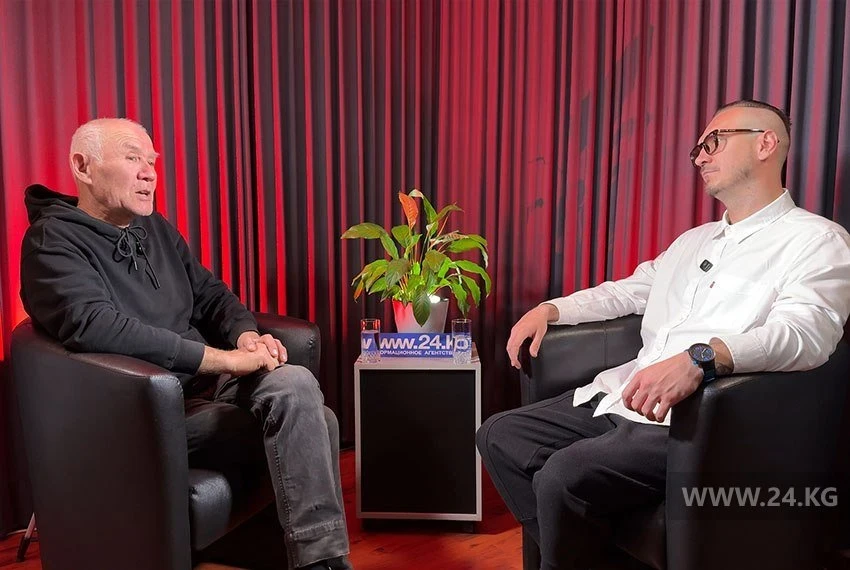
The situation with the House of Artists in Bishkek is causing widespread public resonance. There are talks about the authorities' intentions to transfer this building for commercial use, which could deprive the Union of Artists of its historical base.
Photo 24.kg
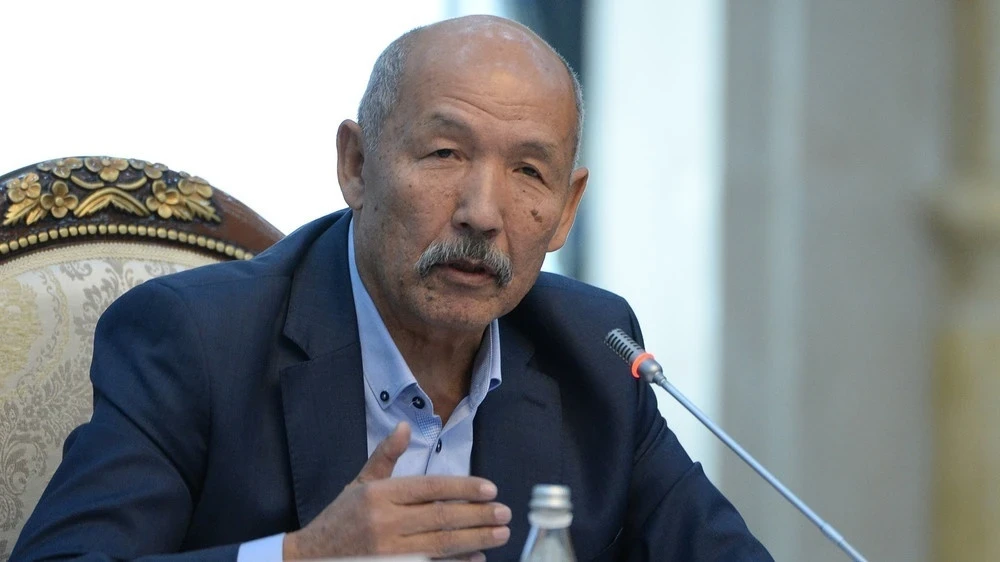
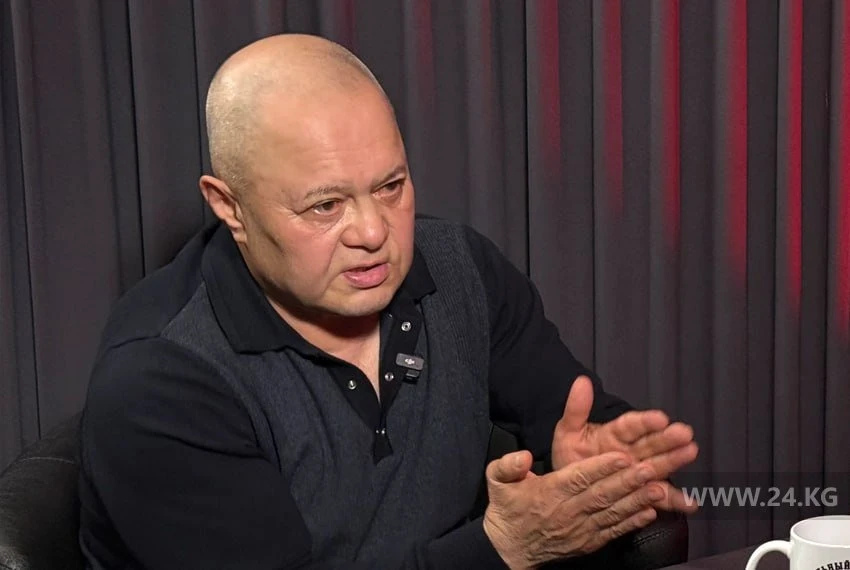
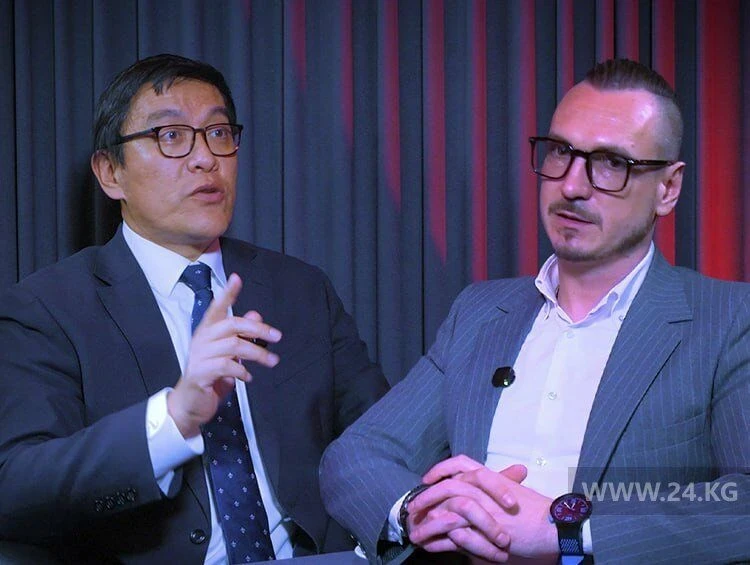
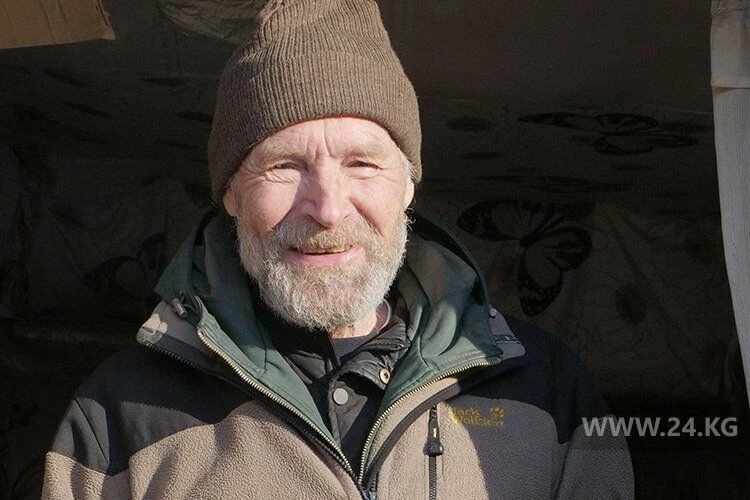
In an interview with 24.kg, the people's artist Erkin Saliev shared his thoughts on how this decision could negatively impact the cultural life of the country and how Kyrgyzstan risks losing an entire generation of talented authors.
— What is your opinion on the current situation with the House of Artists?
— At the moment, the situation is uncertain. We are waiting. After information about the possible eviction of artists became known, active discussions began on social media. The public is reacting sharply to this fact.
Discussed
The demolition of the architectural monument "House of Artists" in Bishkek
This is not just a private workshop or office — it is a large organization, the Union of Artists, which unites more than 500 members. These people represent the visual arts of Kyrgyzstan.
Moreover, this building has a rich history. Masters such as Chuykov, Aitieva, Lydia Ilyina, Herzen, and Suimenkul Chokmorov worked here. They shaped Kyrgyz art as such.
Therefore, we are not talking about simple real estate, but about cultural identity and continuity.
— What is the main conflict about?
— The main problem lies in the replacement of cultural values. The city, especially its center, is already overflowing with commercial buildings. We see the number of shopping centers and business centers growing, and I doubt that such densities exist anywhere else in the world.
This is an area that has historically developed as the cultural heart of the city.
Erkin Saliev
Here are located the opera, ballet, museums, libraries, and theaters — this is the image of the capital and its cultural landscape. They want to embed yet another commercial object into this environment.
We understand that this is a valuable piece of land, but the question arises: what is more important — business or culture?
— Some claim that the building can be transferred to the state. How appropriate is this?
— Formally, this may sound legitimate. But in practice, it raises many questions. We have done major repairs at our own expense three times, while the mayor's office refused to participate, citing that the building belongs to us.
Now, suddenly, they have decided that they can dispose of this object. This is perplexing; their logic changes depending on the circumstances.
— What is your alternative?
— We were offered three rooms in an old building, which is also slated for demolition in the coming years. This is not a solution, but a temporary measure.
The Union of Artists is not just an administrative structure. We have workshops, a gallery, and exhibition spaces. We represent living culture.
— Are you actively involved in the cultural life of the country?
— Yes, and this is an important point. We constantly participate in exhibitions both in Kyrgyzstan and abroad, providing our works for international events and state delegations free of charge.
We actually represent the culture of Kyrgyzstan, and against this backdrop, we may be left without a venue. This is, to put it mildly, surprising.
Erkin Saliev
— Have you approached the authorities?
— Of course. We started with that. We prepared official letters from the Union of Artists addressed to the presidential administration, the government, and the Ministry of Culture.
Discussed
The Union of Artists requests protection for the building in Bishkek
We hope for a response, as we have seen examples where decisions were revised under public pressure.
— What do you think about the opinion that artists are closed off in their own world?
— This is absolutely untrue. Either it is ignorance or an attempt to discredit. The Union of Artists is the center of the artistic life of the country, where ideas and projects are formed.
We hold symposiums, plein airs, and international projects often at our own expense.
— How is your organization structured?
— We have a democratic structure. The leadership is formed through a board, and the chairman is accountable to this body. We actively work with the regions — Karakol, Osh, Talas, Naryn. This is a unified network.
— What is your relationship with the youth?
— On the contrary, we have opened up to the young. It was difficult to get into the union before; now it is enough to have two or three exhibitions. We provide young people with a chance, as it is important for an artist to be in an environment where they can develop faster.
— What are your thoughts on censorship in art during the USSR?
— Partially, this is true. There was censorship, but in the form of artistic councils, which did not so much prohibit as supported a high level.
— So, were the restrictions justified?
— They formed certain standards. Low-quality works were not allowed — what we today call "kitsch" and "pornography."
If we look at world art from antiquity to the Renaissance, humanism and high aesthetics always dominated, and this was supported.
— How would you characterize contemporary art in Kyrgyzstan?
— In my opinion, it is in decline. We are living on the inertia of what was created earlier. The country lacks a support system. Artists are forced to earn a living, which does not allow them to fully devote themselves to art.
There are serious problems with taste. Even with good craftsmanship, there is often a lack of a sense of harmony, composition, and color, resulting in kitsch.
Erkin Saliev
— What is the state of the art market?
— It is practically non-existent. We lack collectors and a culture of patronage. People are willing to spend money on everything but art.
— Why is the situation better in neighboring countries?
— This is a complex question. Perhaps it has to do with cultural tradition and the level of the environment. But the fact remains: we have not developed a class of people who consciously support art.
— How is the pressure on artists increasing?
— This is not a mass phenomenon, but certain trends are observed. We must take into account the reaction of society, including religious aspects.
— Does this limit creative freedom?
— Yes, it can lead to an exodus of artists, as creativity implies freedom.
— How did you start working in cinema?
— Through practice. I worked as an assistant to the production designer on the set of "The White Steamship." It was a real school where many famous personalities started.
— Why aren't you filming now?
— I have a new project, but it turned out to be "politically incorrect," and I was asked to change some scenes. I started reworking it — and in the end, it turned into a novel.
— In short, what is happening with culture now?
— We are on the brink. If we do not recognize the value of culture now, we will lose it forever. Restoration will be impossible.