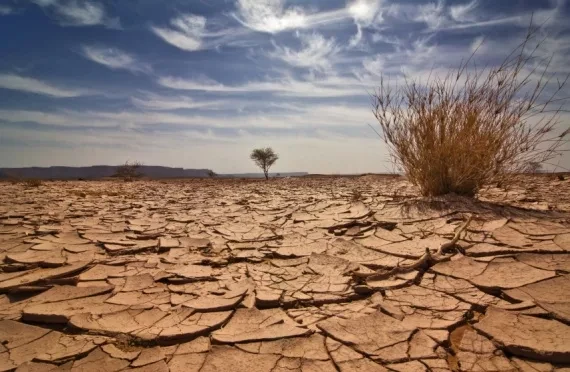
The authors of the report emphasize that the terms "water crisis" and "water stress" no longer reflect the reality in several regions of the world. In fact, we are witnessing a post-crisis state characterized by irreversible loss of natural water capital.
Many countries have exhausted their water resources, including rivers, groundwater, and snow reserves, as well as depleted long-term water stocks such as glaciers and wetlands.
This situation has led to serious consequences: land subsidence in river deltas and coastal areas, the disappearance of lakes and wetlands, and loss of biodiversity.
The situation is particularly severe in the Middle Eastern and North African regions, where water scarcity, climate change, and low agricultural productivity exacerbate the problem. In some parts of South Asia, active use of groundwater and urbanization are leading to declining groundwater levels and localized land subsidence.
Based on global data and recent scientific research, the report demonstrates alarming trends, many of which are the result of human activity:
- Since the early 1990s, 50% of the world's major lakes have lost significant volumes of water;
- Over the past 50 years, the area of lost natural wetlands has amounted to 410 million hectares, comparable to the size of the European Union;
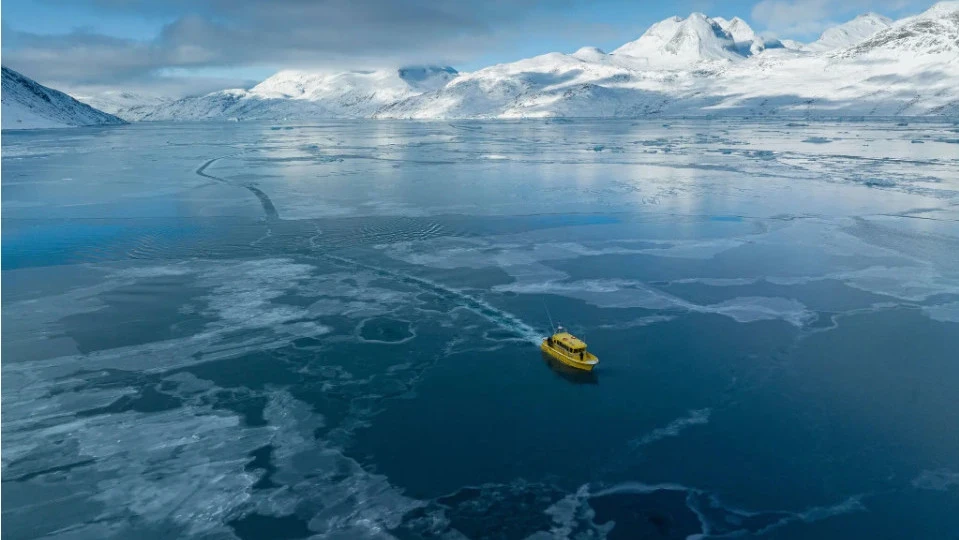
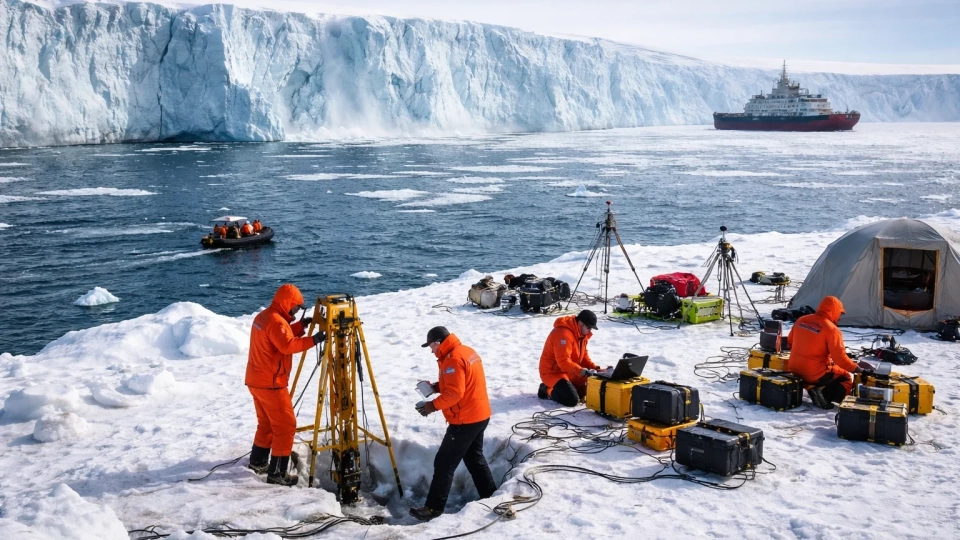
- Since 1970, more than 30% of the global mass of glaciers has been lost; in the coming decades, entire mountain systems in temperate latitudes may lose all functional glaciers;
- Some major rivers no longer reach the sea during certain seasons;
- 4 billion people experience water scarcity for at least one month each year;
- 3 billion people live in regions with diminishing water resources, producing over 50% of the world's food;
- In 2022–2023, 1.8 billion people faced drought conditions.
In conclusion, the report emphasizes that "water bankruptcy" is not only a global hydrological problem but also a serious issue of justice with profound social and political implications. This requires attention at the highest levels of governance and multilateral cooperation.