The End of an Era
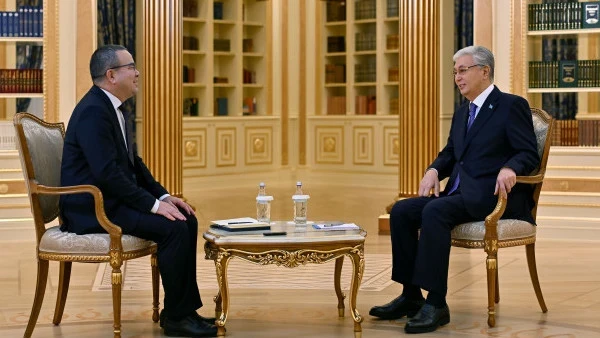
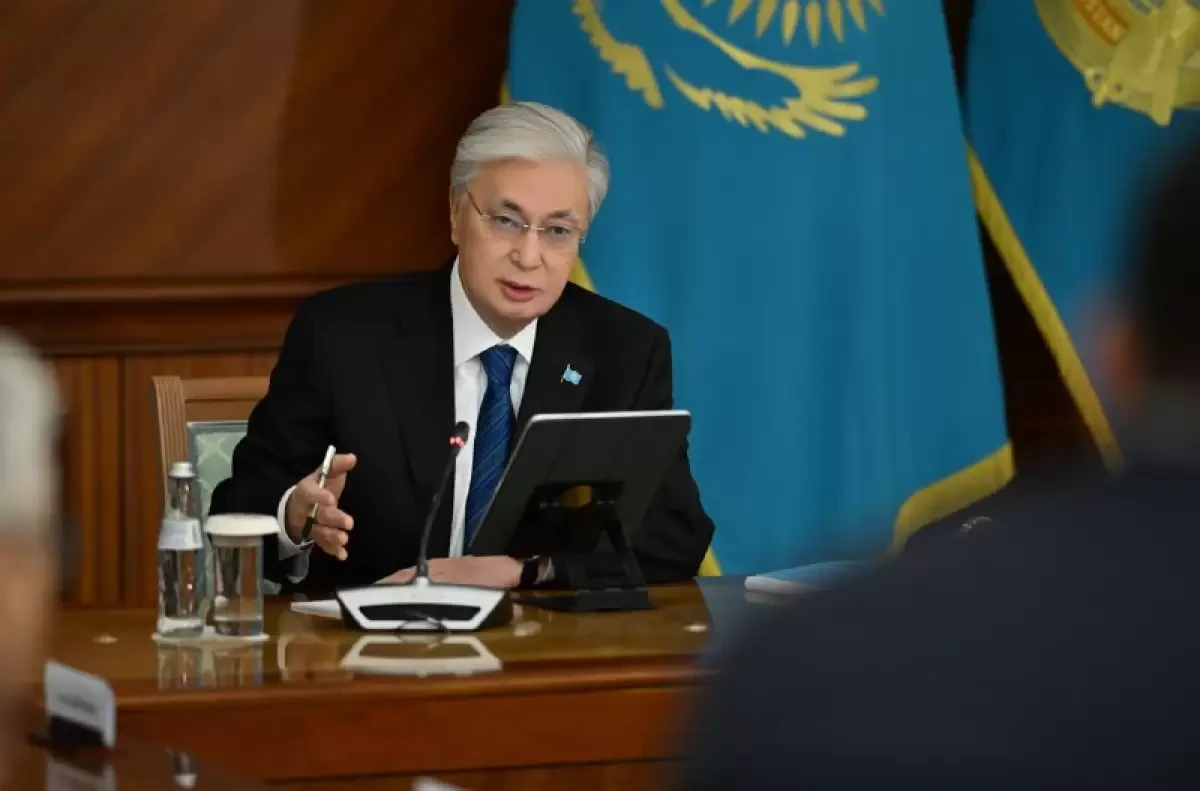
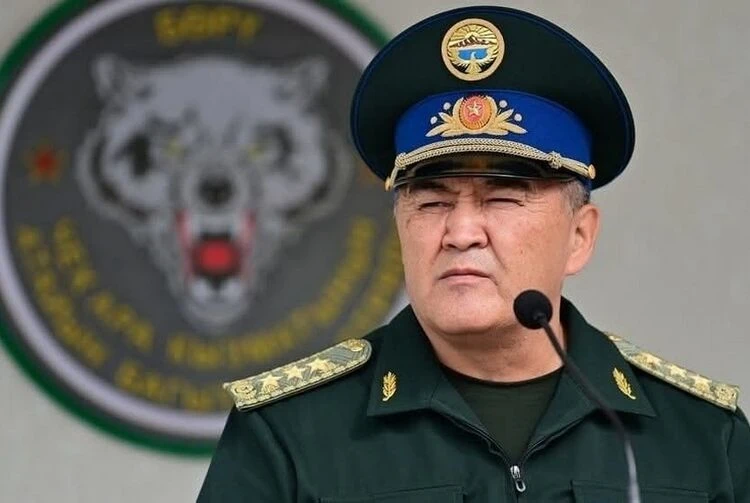
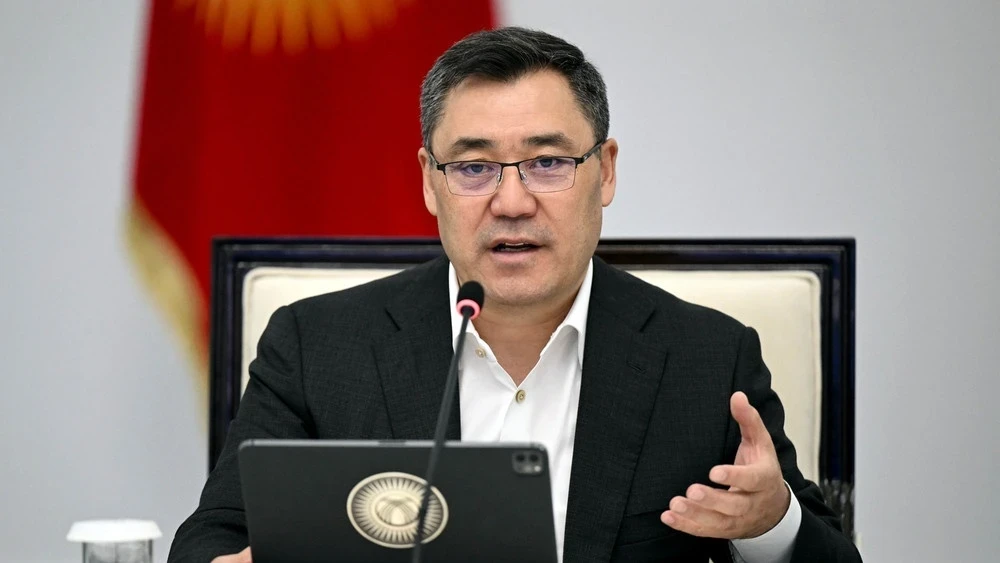
The main event of recent days has undoubtedly been the dismissal of Kamchybek Tashiev from the position of head of the State National Security Committee (GKNB) and deputy prime minister.In his interview for "Kabar," Sadyr Japarov confirmed that Tashiev would not return to public service and should focus on recovering his health. The president also noted that their relationship remained friendly, but the political situation had changed.
Sadyr Japarov explained the reasons for Tashiev's resignation by several factors. He emphasized that this decision was made to minimize public division and maintain stability, as well as due to attempts to use the GKNB outside the law. Additionally, there was a need for renewal within the power structures.
The president repeatedly stressed that there is no division in personnel policy between the "Japarov team" and the "Tashiev team"; the main criterion is professionalism and serving the interests of the state.
Personnel Changes in Power Structures and Government
Tashiev's dismissal has triggered a large-scale restructuring of the management structure. Many of his closest associates have been removed or transferred to other positions. Among the most significant changes are the departure of the speaker of the Jogorku Kenesh, Nurlanbek Turgunbek uulu, and the head of the Bishkek GKNB department, Eldar Jakypbekov. There has also been a change of all deputy heads of the GKNB, with new leaders appointed and the structure altered.These reshuffles indicate a systemic reboot of the power block, where the emphasis is shifting from personal management to a more institutional model, where the "office" operates strictly within the law and under the control of the president as the guarantor of stability.
The Fight Against Corruption Without Excess Noise
The dismissal of Kamchybek Tashiev has also been a significant moment in the context of Kyrgyzstan's anti-corruption policy. In recent years, Tashiev's name has been associated with a tough fight against corruption and organized crime.High-profile arrests have been made, public statements issued, and resonant criminal cases initiated. This has created an atmosphere of fear in society, which has acted as a deterrent to corruption. However, despite visible successes, a sustainable systemic model for combating corruption has not been established. The anti-corruption policy has largely depended on the personal approach of specific leaders and the resources of the power block, which provided quick results but did not guarantee longevity.
In his latest interview, Sadyr Japarov again emphasized that the fight against corruption and organized crime continues without interruption, but without demonstrative "mask shows" and excessive PR.
Essentially, this is about transitioning from a demonstrative model to a calmer one, with clear rules and regulations, which is a positive step. Anti-corruption should become a function of the state, not just one security official.
Nevertheless, especially during the transitional period, it is important to maintain balance.
Society has become accustomed to visible struggles.
For many, publicity has been evidence that the state is indeed taking active measures. Therefore, a reasonable combination of visible actions, but without excessive noise, along with the simultaneous construction of an anti-corruption system, will yield the most effective results. This will preserve the reputation of the authorities as an uncompromising fighter against corruption and crime in the eyes of society and allow for the creation of a sustainable system to counter corruption.
Concerns About Division and the President's Response
The dismissal of Kamchybek Tashiev has once again sparked discussions about a possible imbalance between the north and south of the country. However, analyzing the political configuration and the president's recent statements, it can be concluded that there is no reason to panic.In his latest interview, Sadyr Japarov clearly stated that he would not allow a division along regional lines and that state policy cannot rely on confrontation between the north and south. This statement was not accidental.
The president effectively indicated that the era of informal regional quotas should remain in the past.
It is important to note that Sadyr Japarov's political team has always included strong representatives from the southern regions, and this continues to be the case. There are influential figures from the southern areas in the president's circle, both in the government and in parliament.
However, the system is gradually transitioning from a regional logic to a logic of competencies. For Kyrgyzstan, where the balance between the north and south has historically been a source of political instability, this is fundamentally important. If personnel policy is based on professionalism rather than informal agreements, then the resignation of one influential politician will not lead to systemic imbalance. If such a formula is implemented, it will be a step towards a more mature political model for the country.