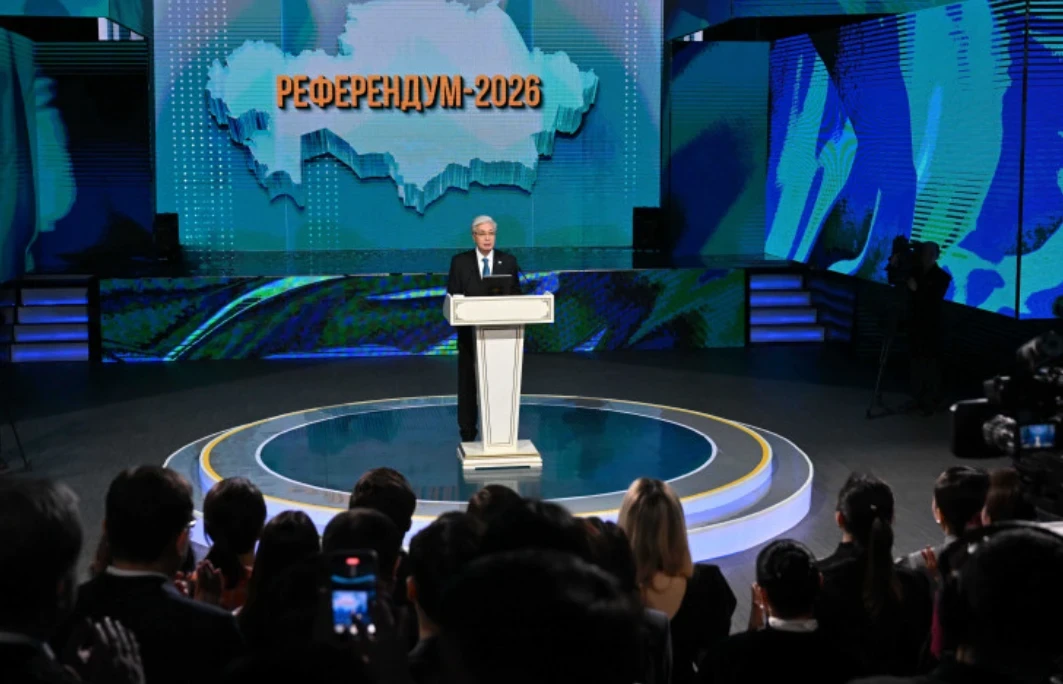
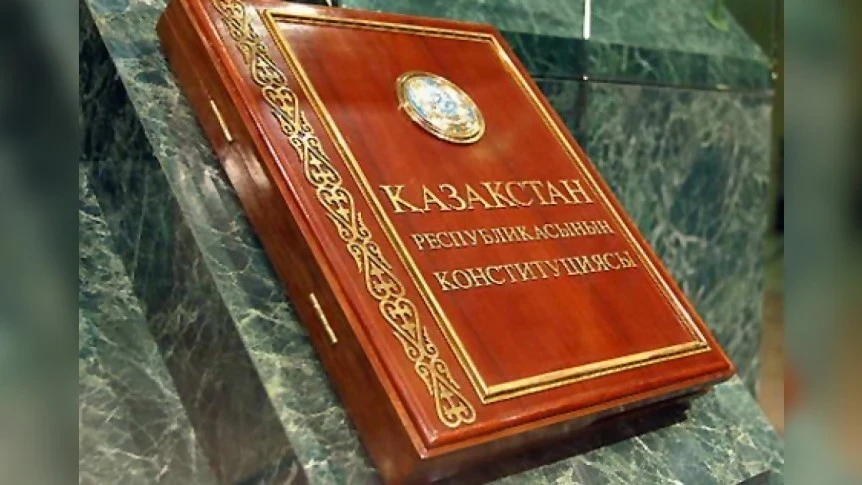
Experts note significant support for the constitutional referendum and strengthening of legal institutions
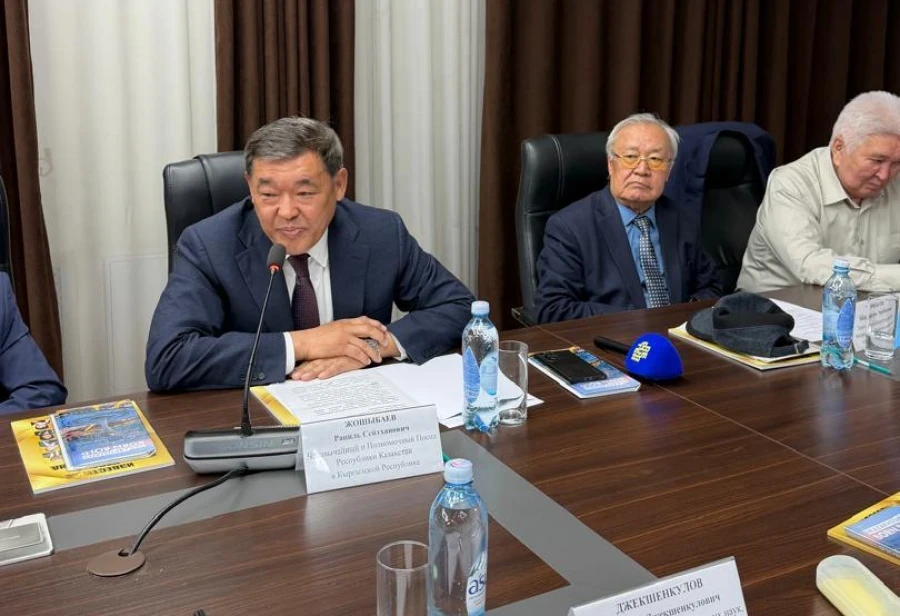
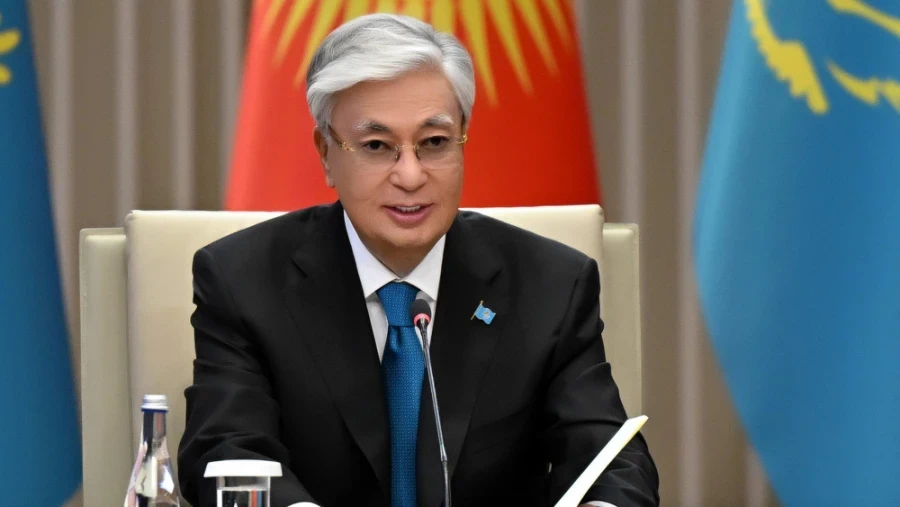
A round table was held in Bishkek, organized by the Embassy of Kazakhstan in Kyrgyzstan. During the event, specialists, representatives of government structures, and the media discussed the results of the constitutional reform and its impact on the political and institutional development of the country.
Opening the meeting, Rapil Zhoshybaev, the Extraordinary and Plenipotentiary Ambassador of Kazakhstan to Kyrgyzstan, noted that the new Constitution, adopted in the referendum, is a response to significant changes in society and a demand for the renewal of the governance system.
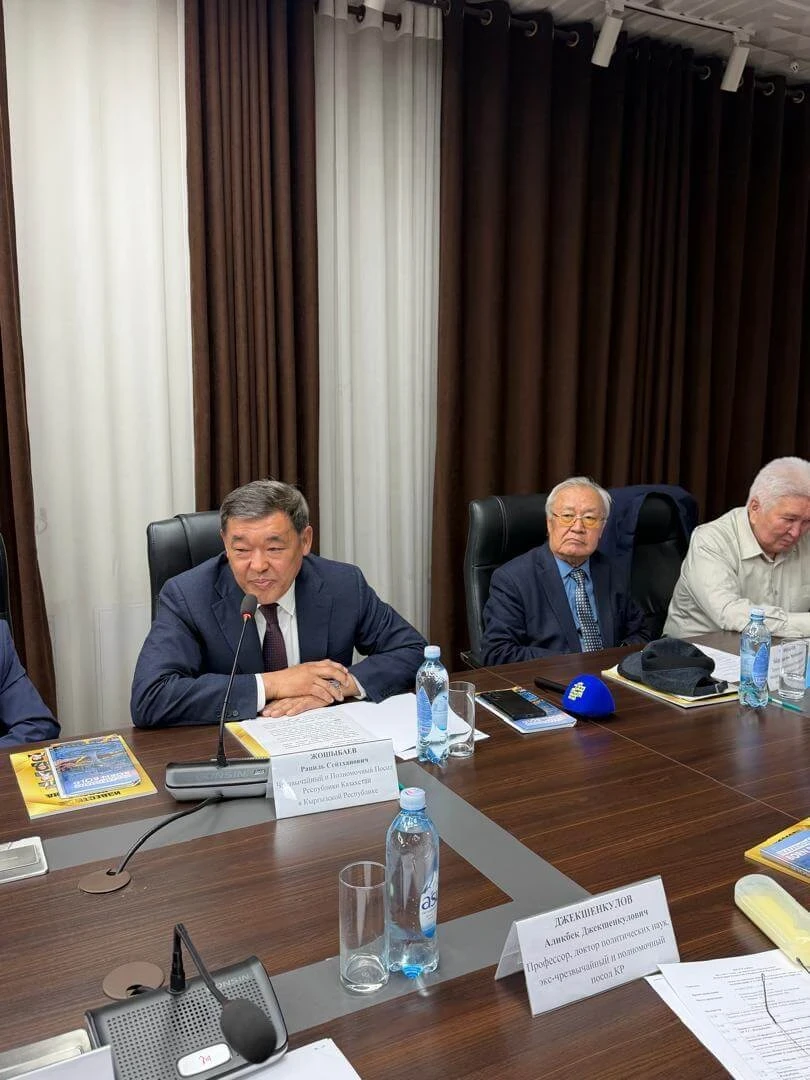
According to the ambassador, this is not just a series of amendments, but a comprehensive transformation of the state model.
“This Constitution represents a significant change in the entire state system,” he added.
Zhoshybaev emphasized that the main goal of the reform is to strengthen statehood and independence, improve the living standards of citizens, and create a more balanced system of power. In this context, the role of parliament is increasing, the system of political institutions is developing, and citizen participation in making important decisions is growing.
“The referendum was a key stage in the political development of the country and reflected the public's desire for renewal and strengthening of the principles of justice, openness, and accountability,” he stated.
Furthermore, he noted that the voting results demonstrated a high level of civic responsibility and active participation of the population in processes that determine the future of the country.
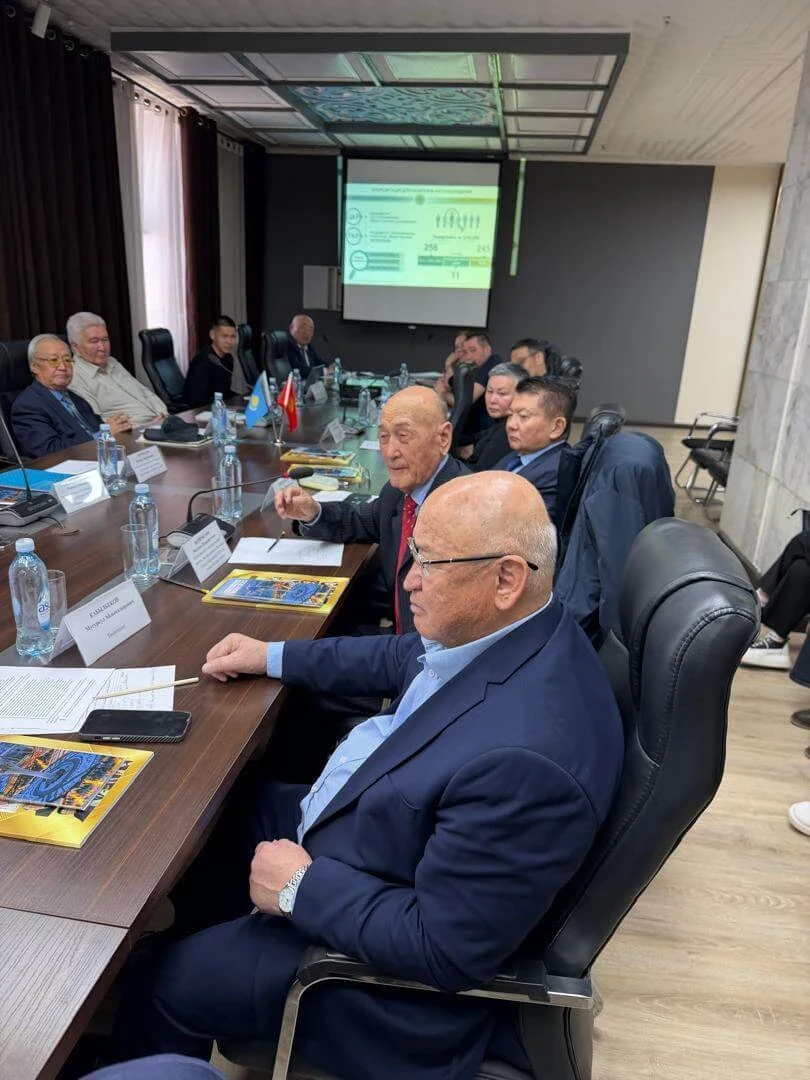
During the discussion, round table participants turned to analyzing the referendum and its organizational aspects.
Member of the Central Commission for Elections and Referendums of Kyrgyzstan Abdyjapar Bekmatov, who participated in the observation, emphasized that the voting was conducted in accordance with international standards.
“The referendum presented one clearly formulated question, which ensured clarity in the expression of citizens' will and excluded ambiguous interpretations of the results,” he noted.
According to him, more than 73% of voters participated in the voting, and support for the constitutional changes was over 87%.
“This indicates a high level of public consensus and trust in democratic institutions,” Bekmatov added.
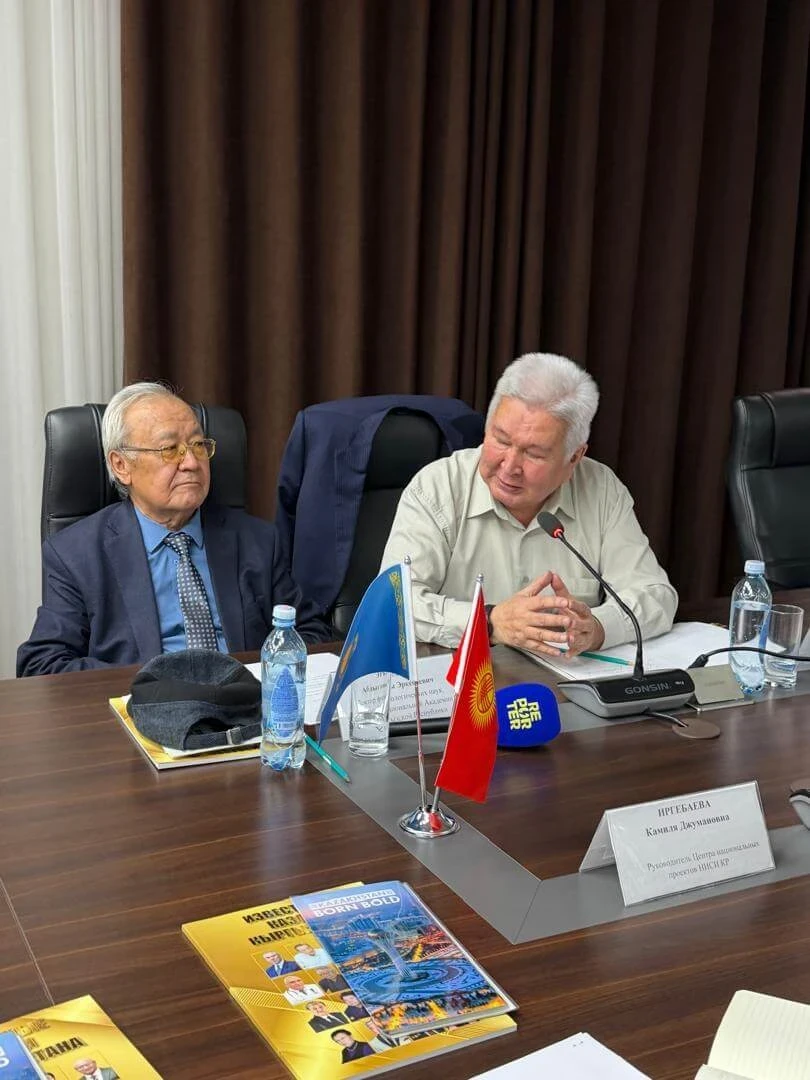
He also noted the importance of organizational work, which involved tens of thousands of members of electoral commissions. A cascading training system ensured uniform application of legislation and minimized the likelihood of errors in procedures.
Bekmatov emphasized the informational openness of the process. Explanatory work was conducted through both traditional and digital channels, including social media, which contributed to increasing citizens' legal literacy.
Additionally, measures were taken to ensure inclusivity, including creating conditions for people with disabilities and organizing voting for citizens abroad.
Discussing the content of the reform, legal expert and electoral process specialist Mirlan Medetov noted that the changes are aimed at expanding political participation and strengthening the rights and freedoms of citizens.
According to him, the reform is also aimed at creating a sustainable system of public administration that takes into account national experience and the peculiarities of the development of state institutions.
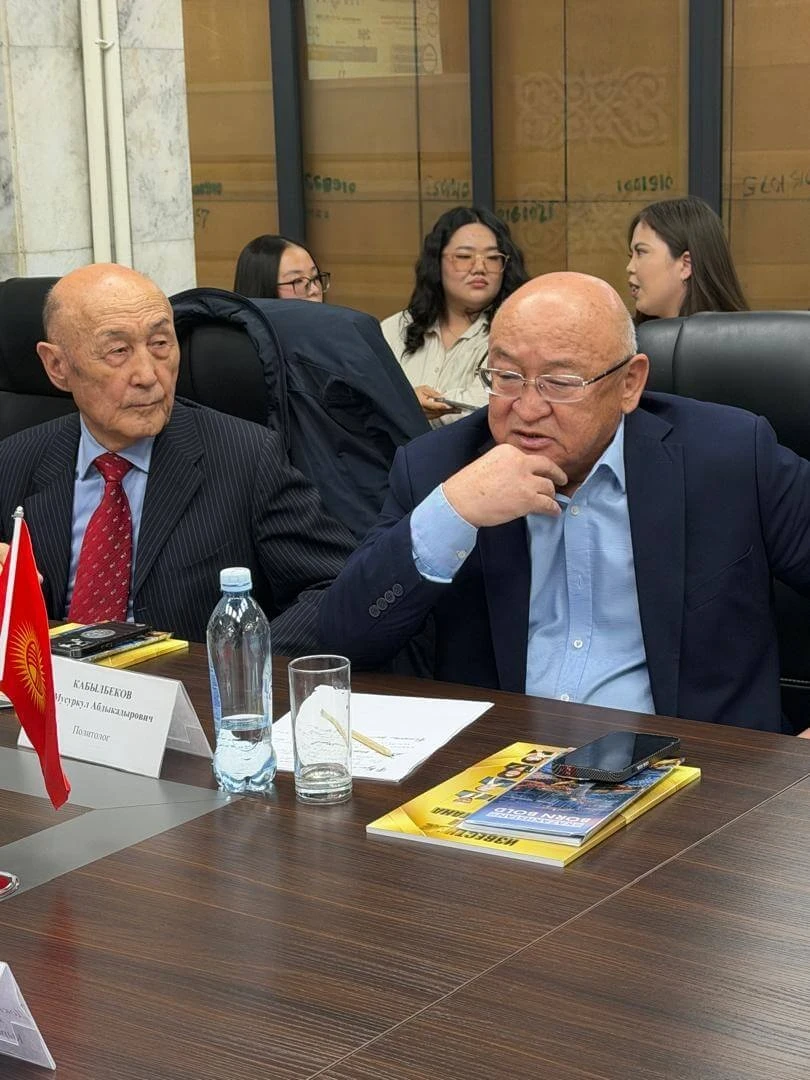
Medetov highlighted several key changes, including the introduction of the vice-presidential institution, the transition to a unicameral parliament (Kurultai) based on a proportional electoral system, and the creation of an advisory body — the People's Council of Kazakhstan.
In his opinion, the proportional electoral system promotes political pluralism, expands representation of minorities and women, and reduces the number of “lost” votes.
The expert also pointed out efforts to strengthen constitutional guarantees of citizens' rights, which include the right to compensation for damages caused by the state, the introduction of Miranda rights, and ensuring the right to legal assistance from the moment of detention.
The round table participants unanimously agreed that the reforms in Kazakhstan are important not only for the country itself but also for the entire Central Asian region.
Changes in the largest economy in the region affect the overall dynamics of development and set new benchmarks for neighboring states.
At the same time, the practical implementation of the reforms remains a crucial issue, as the quality of applying the new norms determines their ability to strengthen state institutions, increase public trust, and ensure long-term development.