By focusing on local products and modern interpretations of traditional Anatolian recipes, the new Michelin-starred establishments have made Cappadocia one of the most attractive gastronomic destinations in the country. Here, the emphasis is on sustainability and the use of organic ingredients.
The gastronomic culture of the region has been shaped by the land, traditions, and the skills of its chefs. Cooks use recipes passed down through generations, as well as organic products grown in volcanic soils, and local grapes. The Michelin selection highlights Cappadocia's high culinary potential.
The recognition of the region is not limited to stars and the "Green Star." In Cappadocia, you can also find Bib Gourmand restaurants and those recommended by Michelin, including women's cooperatives, family-run establishments, and historic restaurants that preserve traditions. All of them create a gastronomic route that introduces guests to unique landscapes, local producers, and authentic flavors.
The landscape of Cappadocia provides a rich variety of ingredients, which is felt in every dish prepared. Popular treats include stews with a light fruity flavor, including apricots, and homemade erişte with pumpkin seeds, reflecting the "farm to table" philosophy.
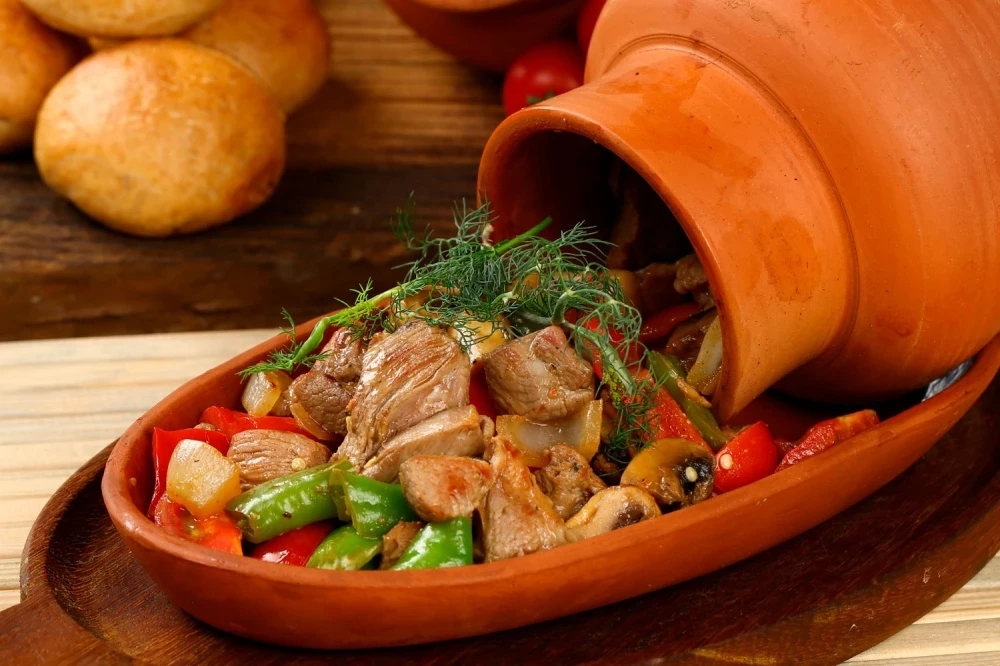
The culinary scene of the region is deeply rooted in Anatolian traditions. One of the symbols of Cappadocia is testi kebab, which is cooked in unique clay pots from Avanos and slowly simmered in a tandoor, dramatically broken before serving.
Among other local dishes, kayısı yahnişi — stewed meat with dried apricots, and quince stuffed with meat, nuts, and spices stand out, as well as agpaklu — a stew of white beans with tender meat. A meal can be completed with desserts such as figs baked in butter, pumpkin dessert, dolaz, flour halva with butter, and "Damat" baklava from Ürgüp.
Signature products of the region, such as Niğde Mavisi and Divle Obruk cheese aged in caves, pair wonderfully with local wines. Cappadocia is famous for drinks made from Anatolian grape varieties, such as Boğazkere, Narince, and Emir, known for their freshness and mineral notes. You can experience the wine culture not only at the table but also by visiting local wineries and tours.