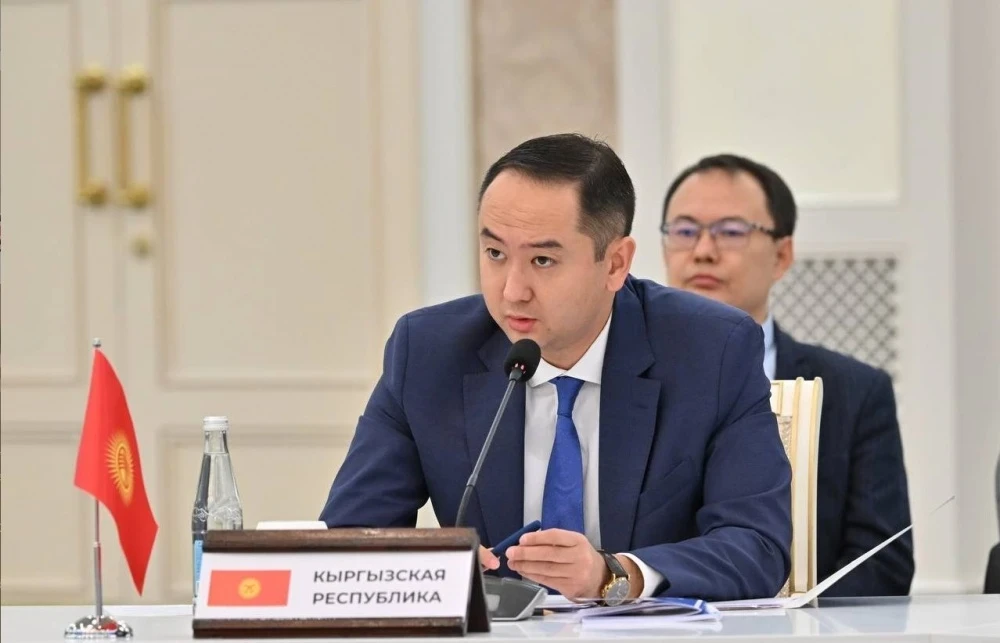
Alexander Zuev, the Acting Under-Secretary-General of the UN for Counter-Terrorism, emphasized the importance of leveraging the opportunities of the digital age, highlighting the need to consider risks and uphold human rights.
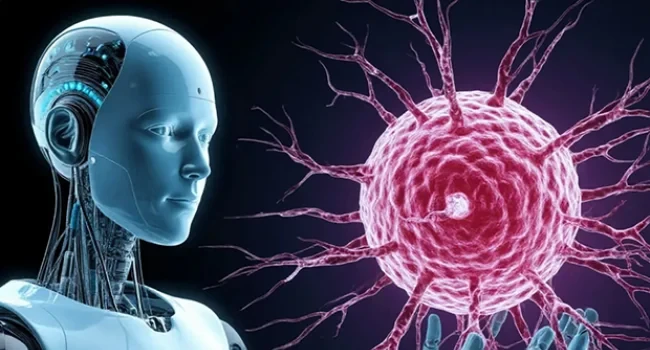
In the context of the discussion on artificial intelligence, he noted: "This technology can significantly aid in preventing threats, from early detection of dangerous narratives to more targeted measures that take into account the views of local communities. However, it is also used to spread misinformation, promote extremist content, and recruit, especially among youth and adolescents."
The UN representative added that the organization is enhancing support for states facing new digital threats.
"This includes new areas of work with artificial intelligence and online gaming," he emphasized.Zuev also noted that these modern approaches complement traditional methods of combating misinformation and the radicalization of youth.
In response to a question about the reintegration of former militants, he highlighted the importance of adhering to legal norms, emphasizing the need for investigations to hold accountable those who have committed crimes, in accordance with national and international standards.
Furthermore, he drew attention to the situation of women and children associated with militants. In particular, he mentioned Kazakhstan and Uzbekistan, which "are making significant efforts to reintegrate and socially rehabilitate the families of former militants, including citizens of these countries."
The goal of the International Day is to unite states, UN structures, and various partners—from civil society to the business community—to form a unified stance against the conditions conducive to terrorism.
Photo on the main page is illustrative: Unsplash/F. Katzenberger.