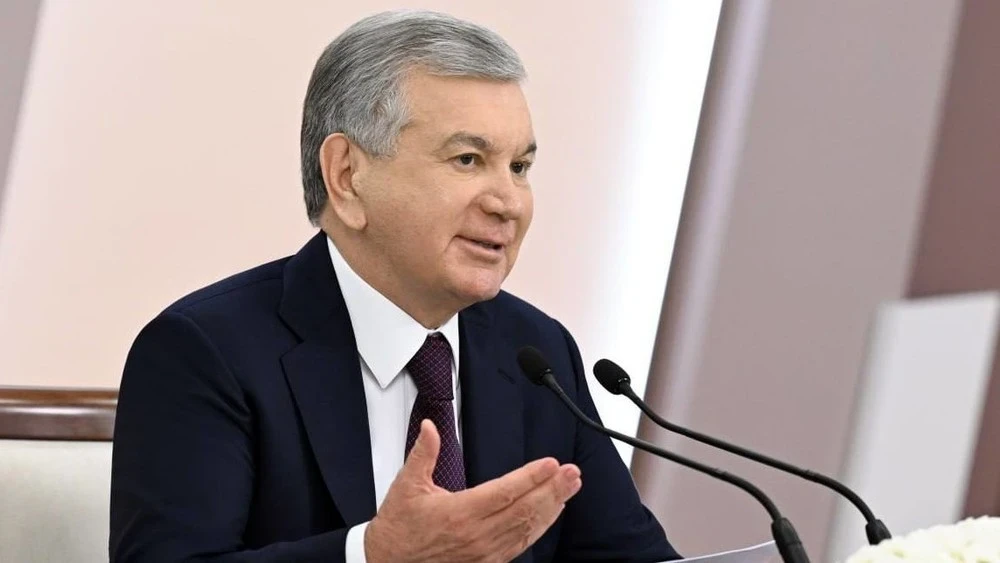
This year, the republic plans to attract foreign investments amounting to $50 billion. As noted by Mirziyoyev, new initiatives should focus on producing export-oriented products with high added value, as well as on the efficient use of resources and the creation of high-income jobs.
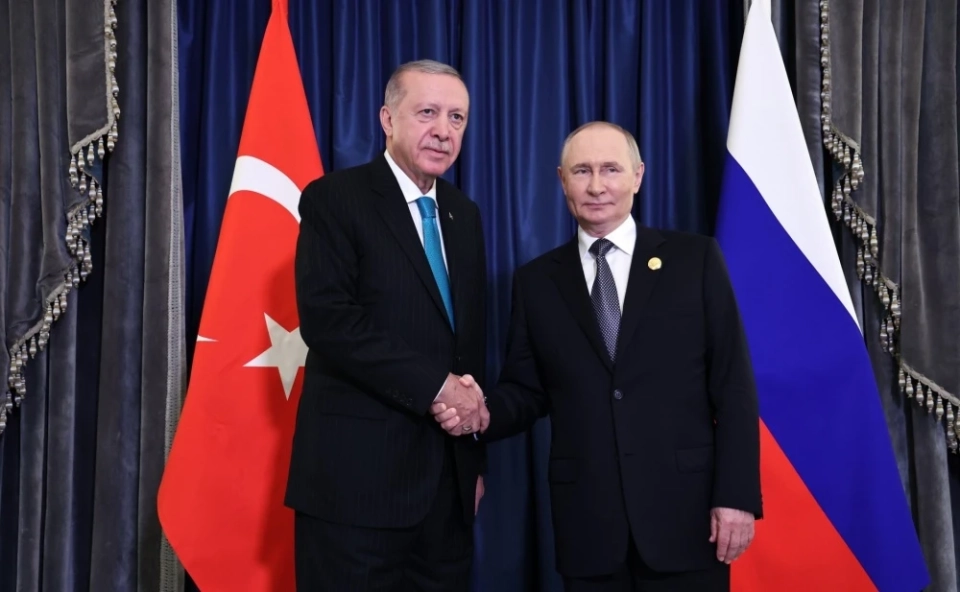
Officials should closely monitor the agreements reached during the president's foreign trips. For example, Uzbekistan has signed agreements on joint business projects with Turkey worth $9 billion and with Pakistan worth about $1.5 billion this year.
Monitoring the implementation of projects is important not only at the launch stage but throughout the entire process. To this end, a platform for "Unified National Project Management" will be created, which will allow tracking each initiative within the investment program for three years from its start.
Mirziyoyev also emphasized that following an analysis conducted by Franklin Templeton, which works with the National Investment Fund, there is significant unrealized potential for improving corporate culture, optimizing logistics, digitalization, and increasing energy efficiency. In this regard, the heads of 19 strategic enterprises were instructed to take measures to eliminate identified shortcomings and reduce production costs by 10-15%.
Significant attention was paid to energy efficiency issues. The president tasked the development of a three-year program for small and medium-sized enterprises, under which 100 million cubic meters of gas and 500 million kilowatt-hours of electricity should be saved this year. Additionally, it was noted that 917 thousand streetlights in the country consume a lot of resources, and some of them remain on during the daytime. Therefore, it is planned to equip the lights with solar panels, batteries, and sensors responsible for automatic lighting regulation.
The president also focused on public procurement. Although the share of local products in the total volume reached 68%, in some structures this figure does not exceed 40%. This applies to organizations such as Almalyk Mining and Metallurgical Complex, Uztransgaz, and Uzbekistan Airways. The head of state urged the leadership of these companies to abandon the outdated notion that "foreign is always better in quality."
Despite the fact that over three years, Uzbekistan's industrial output has increased by 21%, in some regions the growth did not reach even 10%. The president instructed to approve industrial growth plans for districts and regions at a level of no less than 8.5%, as well as to evaluate the work of local officials based on identified problems and their solutions.
As reported by the president, in January of this year, the annual inflation rate was 7.2%, which is related to the rise in food prices, particularly for meat. In this regard, the Ministry of Economy was instructed to proactively identify risks, continuously analyze the markets of regions and cities, form demand forecasts, and develop a balance of essential food products.
Speaking about the overall economic situation, Mirziyoyev noted that by the end of 2025, the gross domestic product of the republic is expected to grow by 7.7%, reaching $147 billion, while this year a growth of 6.6% is anticipated, amounting to $167 billion. These forecasts take into account the current geopolitical situation and external economic instability.