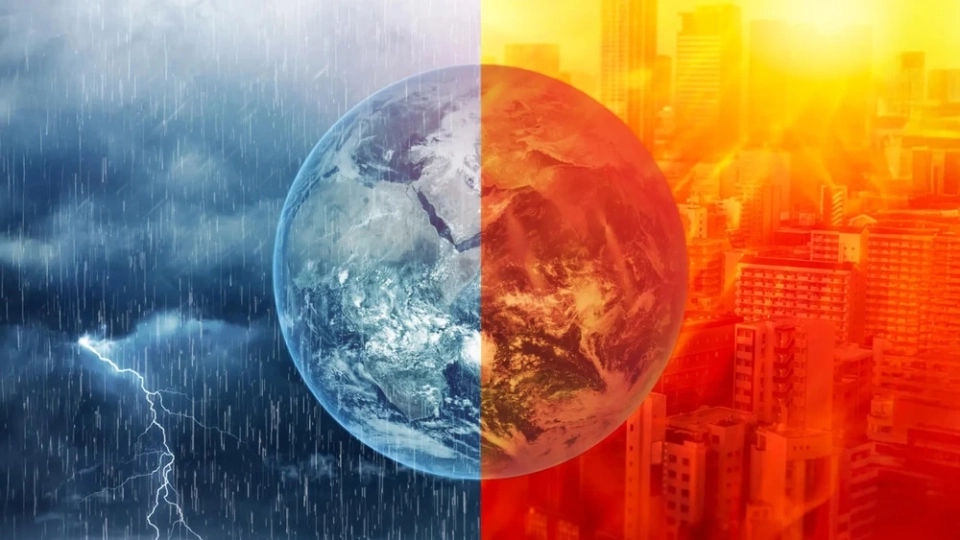
Changes in the climate require new approaches to understanding climatic phenomena such as El Niño and La Niña. This is because these phenomena, which affect weather worldwide, are not only influenced by global warming but are also changing in its context. This study also examines the cause of the sharp rise in global temperatures over the past three years.
According to meteorologists, at the beginning of 2023, the planet's temperature significantly exceeded long-term trends related to anthropogenic impacts on the climate and remained at a high level until 2025. Possible contributing factors include the intensification of the greenhouse effect, a reduction in shipping pollution, underwater volcanic processes, and increased solar activity.
Research by Japanese scientists has shown that the main cause of the changes is the Earth's energy imbalance — the difference between solar energy received by the planet and heat escaping into space. According to their estimates, more than 75% of the increase in this indicator is explained by a combination of anthropogenic warming and the transition from a three-year La Niña phase to El Niño.
From 2020 to 2023, the world experienced a rare "triple" La Niña — three consecutive years without a transition to El Niño. During this period, warm water sank to greater depths in the ocean, lowering surface temperatures and hindering heat release into space. This led to the accumulation of additional energy in the climate system.
Scientists compare this phenomenon to human body temperature: the higher the temperature, the more the body seeks to release heat. However, the prolonged La Niña phase essentially "closed the lid," allowing heat to accumulate. With the transition to El Niño, the accumulated energy began to be actively released, exacerbating global warming.
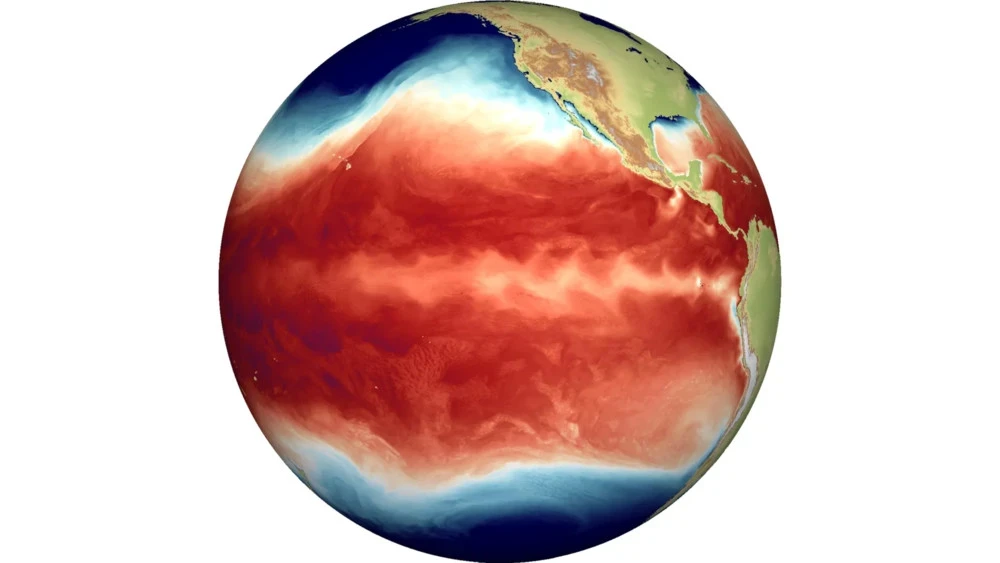
El Niño is characterized by periodic increases in the temperature of surface waters in the equatorial Pacific Ocean, which, in turn, leads to rising global temperatures and changes in precipitation patterns. In contrast, La Niña is associated with cooler waters and a temporary reduction in global warming.
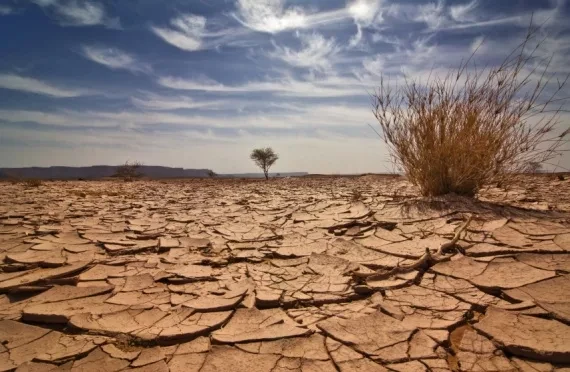
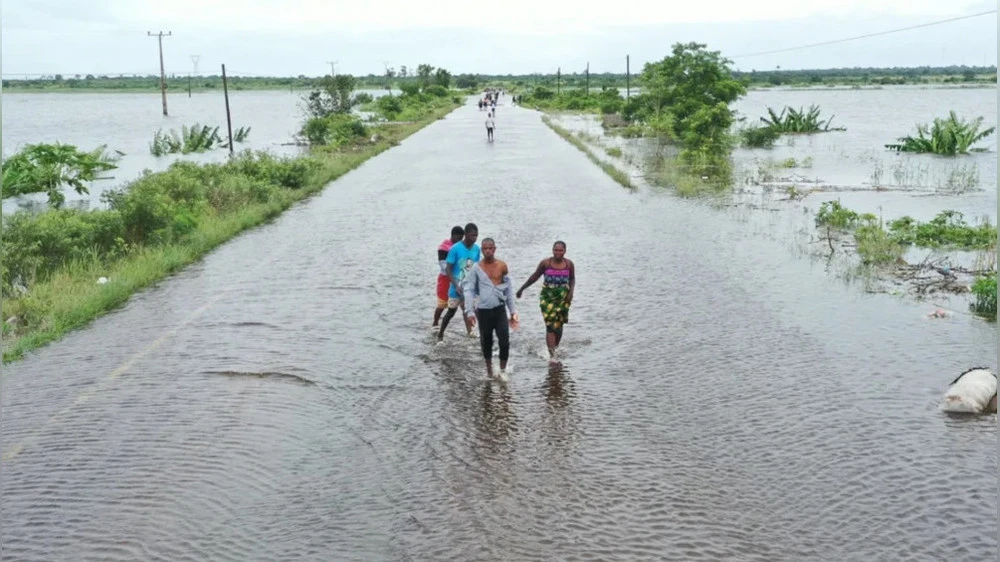
Both phenomena significantly impact weather conditions, including droughts, floods, and hurricanes. Research shows that La Niña may cause greater damage to the United States due to increased hurricane activity and dry spells.
For many years, climatologists defined the onset of El Niño and La Niña by the deviation of ocean temperature by 0.5 °C from the climatic norm. However, as the "norm" itself changes due to overall ocean warming, this method has become ineffective.
Previously, NOAA revised baseline climate indicators every ten years, then every five, but even this proved insufficient. Therefore, a new relative measurement has been introduced, where temperatures are compared not to historical norms but to the rest of the planet's tropical zone.
Experts believe that the new methodology will lead to an increase in the number of events classified as La Niña and a decrease in those classified as El Niño compared to the previous system.
According to NOAA forecasts, a new El Niño cycle may begin at the end of this year, in the fall or late summer. If it forms early enough, it could reduce hurricane activity in the Atlantic, but at the same time, it will increase the chances of new global temperature records by 2027.
Experts warn that the concept of "normal" weather has effectively become outdated, and the accumulated heat in the climate system will contribute to more frequent and extreme weather events in the future.