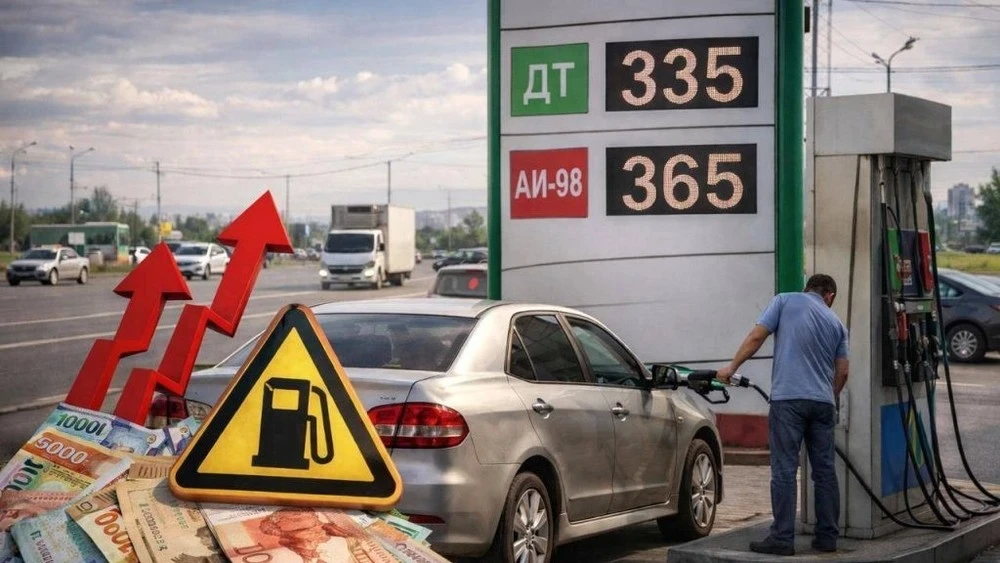
Economists have noted the upcoming integration of the fuel market, which is scheduled for January 1, 2027, as part of the Eurasian Economic Union, which served as the basis for their conclusions.
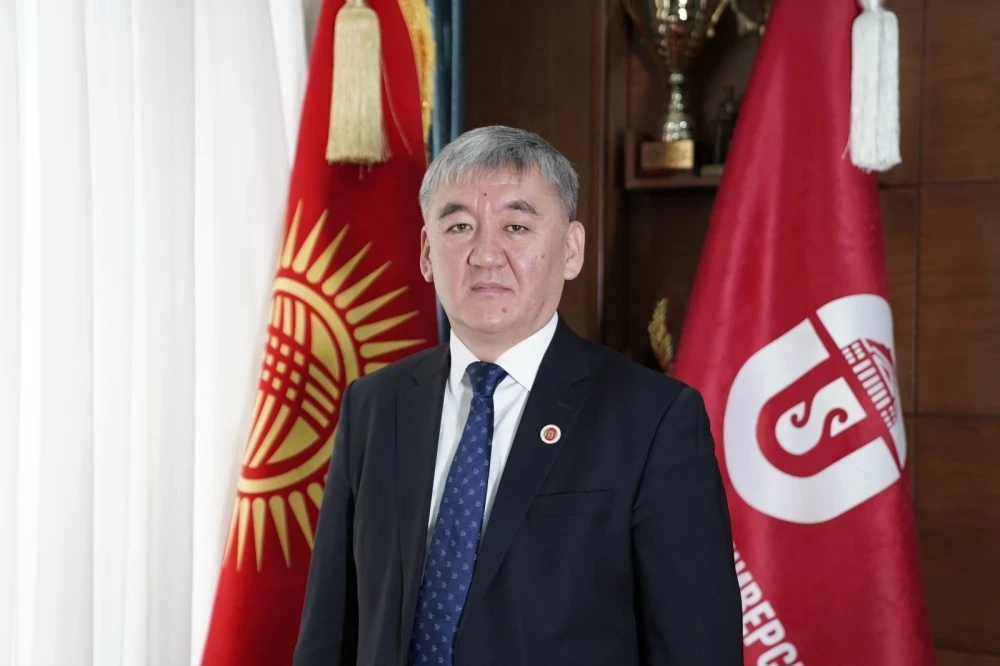
Conclusions of Rakhimbek Abdrakhmanov

According to Abdrakhmanov, Kazakhstanis should be prepared for a significant increase in fuel prices. He believes that integration will lead to a change in the price balance in the region.
“Currently, gasoline in Kazakhstan is twice as cheap as in Russia and Kyrgyzstan. As a result of the alignment, we can expect an increase in fuel prices by 70-90%. This will likely happen quickly, which will negatively affect the economic situation of citizens,” he noted.
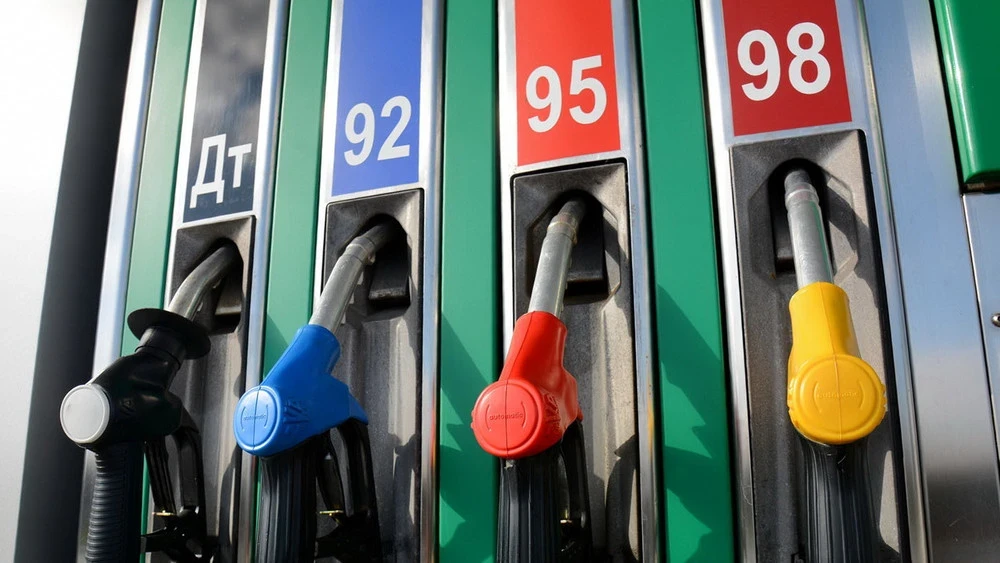
Considering that the price of popular gasoline AI-92 as of March 12 is 239 tenge, the following conclusions can be drawn:
- If the increase is 70%, the price will reach 406 tenge per liter.
- If it increases by 90%, the price will rise to 454 tenge per liter.
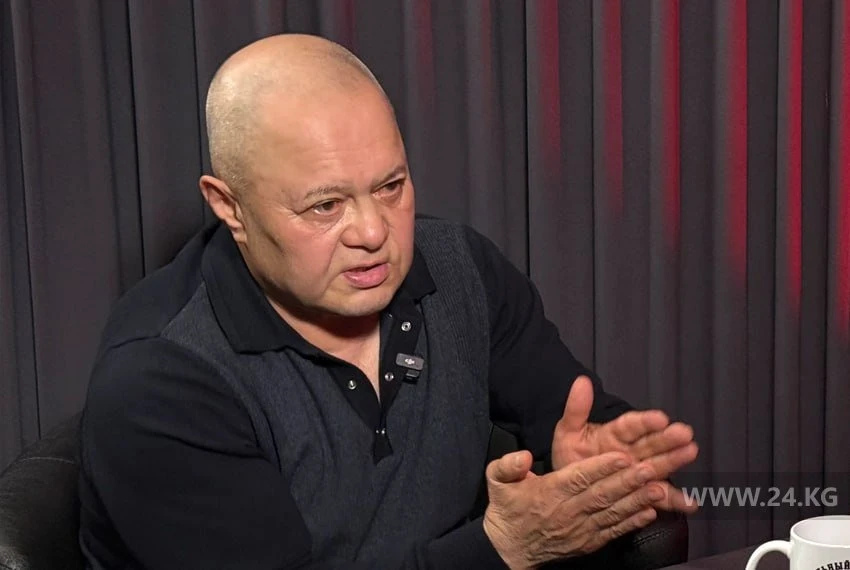
Conclusions of Almas Chukin
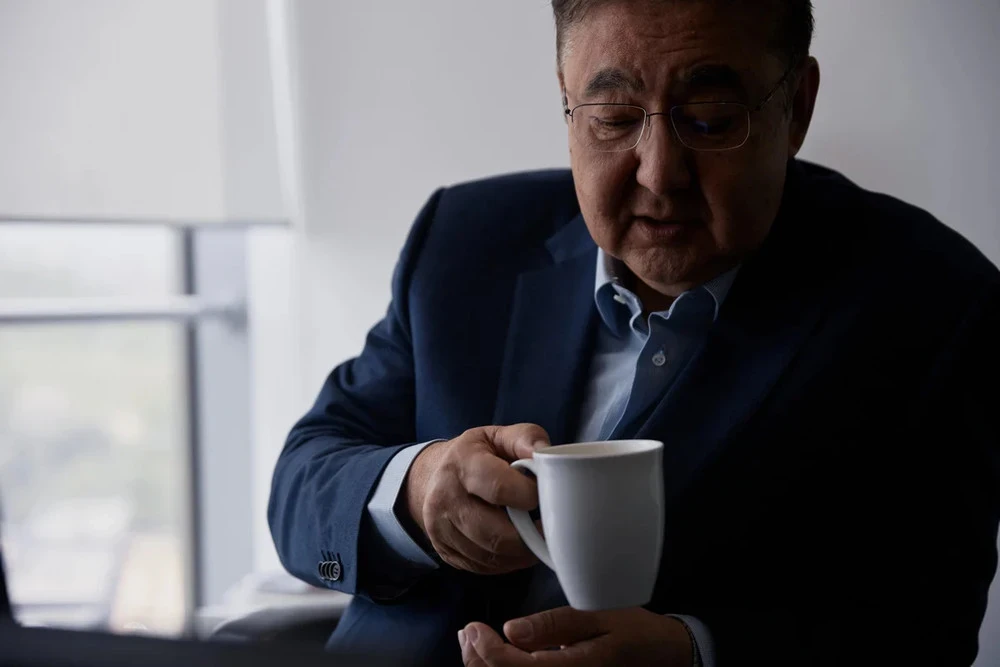
Earlier, the Ministry of Energy stated that price increases would occur gradually, without sharp fluctuations. However, economist Almas Chukin agrees with Abdrakhmanov's opinion. He emphasizes that the changes will be noticeable for consumers, even if they are slow.
Chukin added that market logic will contribute to price increases to levels comparable with neighboring countries, where free pricing exists.
“I cannot say exactly how prices will change, but based on the price levels in neighboring countries, it can be assumed that they will move in this direction,” he noted.
He also pointed to Kyrgyzstan and Uzbekistan, where the cost of AI-92 gasoline is about 385 and 489 tenge, respectively.
Chukin discussed the situation in Russia, where fuel prices are significantly lower. He noted that this can be misleading, as low prices in Russia are supported by hidden subsidies.
“In Russia, the government compensates the expenses of gasoline producers. A few years ago, they made tax changes that led to a tie to world prices. To support the domestic market, they secretly subsidize production,” the economist explained.
According to his estimates, if subsidies are taken into account, the real market price of fuel in Russia would be significantly higher.
“If we consider subsidies, then gasoline prices in Russia should be higher than ours. The prices in Kyrgyzstan and Uzbekistan reflect a more realistic situation. They serve as a benchmark for assessing an adequate price level,” Chukin emphasized.
As a result, according to Almas Chukin, the price of gasoline in Kazakhstan should be around 400 tenge per liter, which would be within the average range compared to neighboring countries.