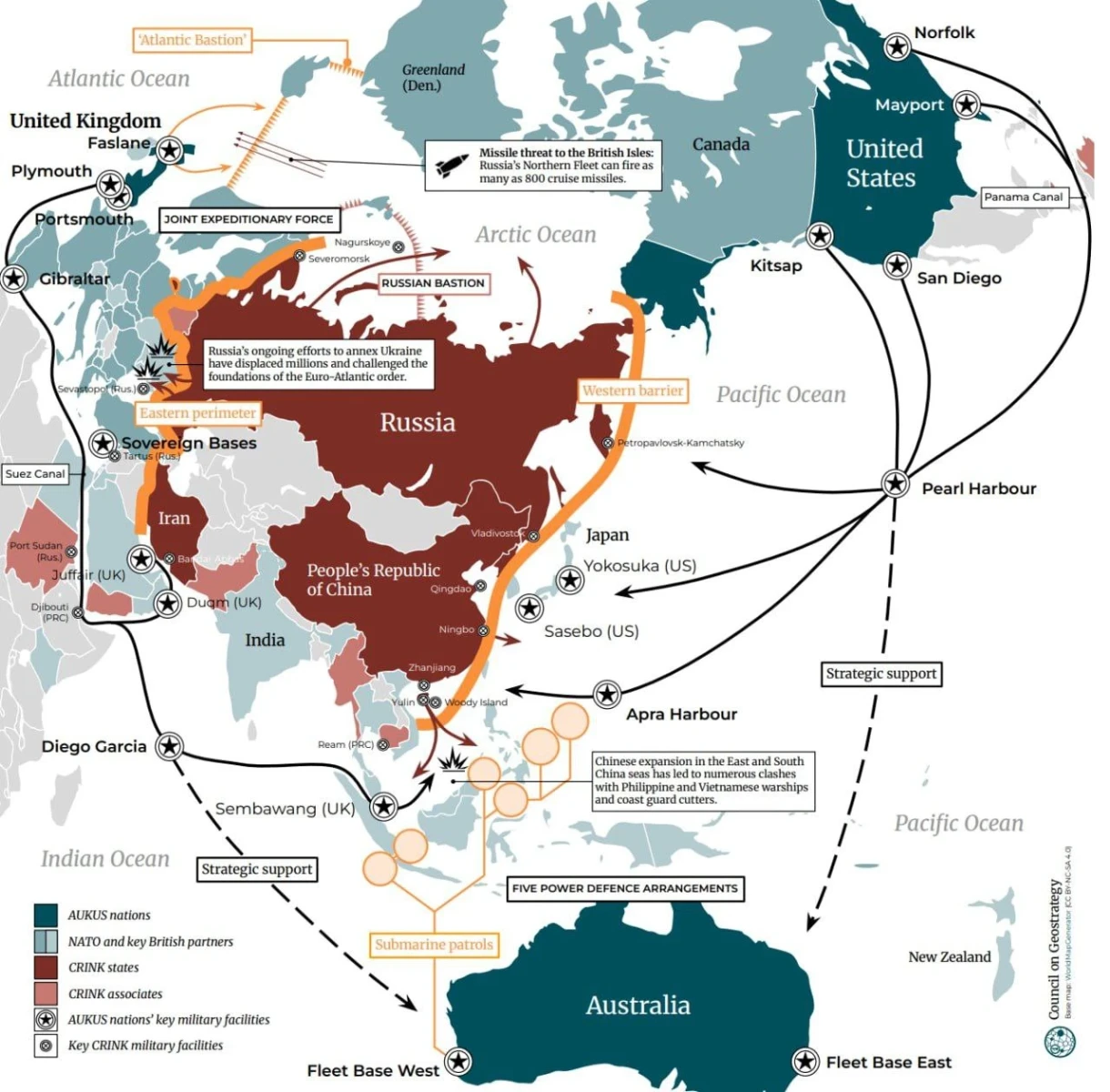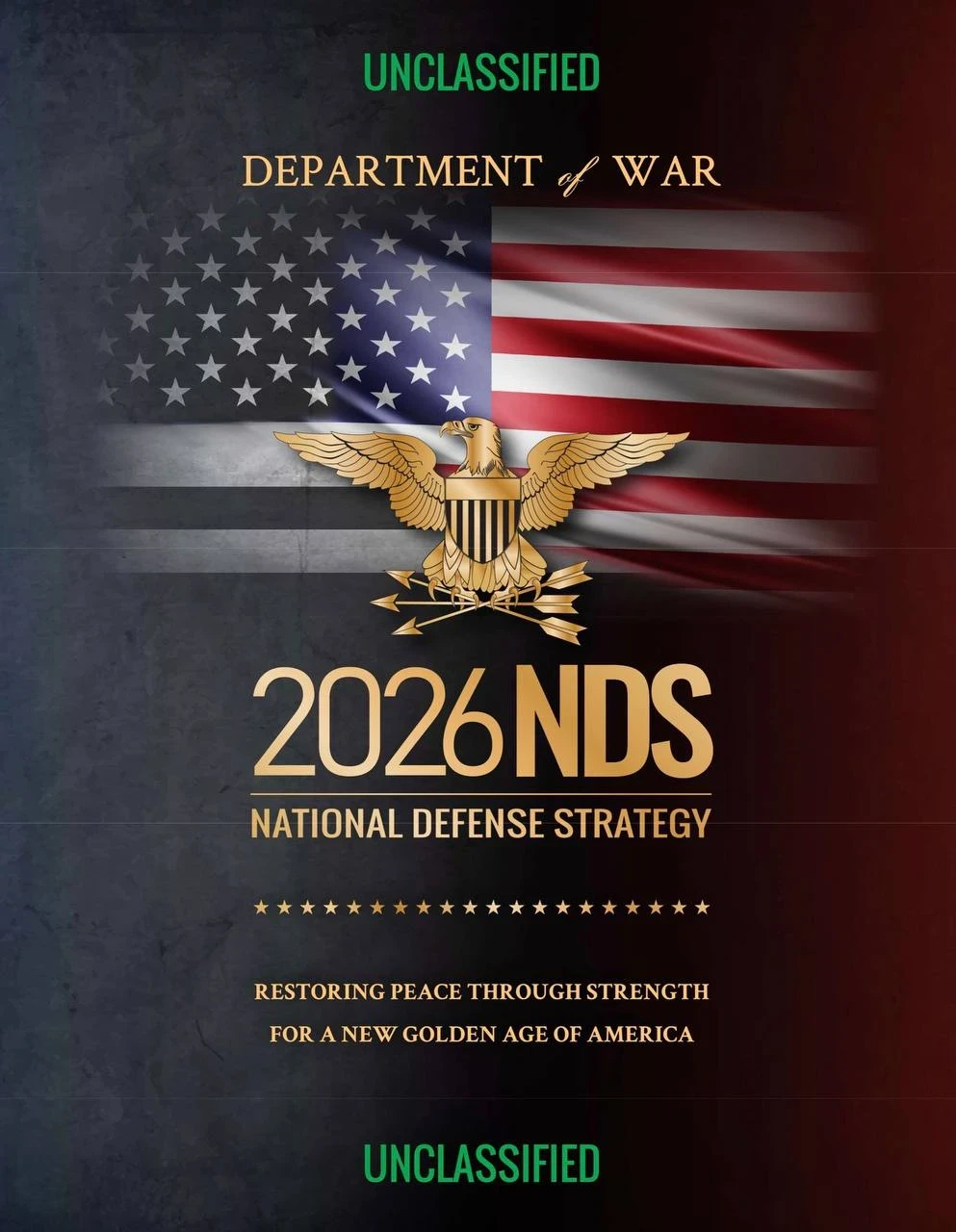
In the new document, it is reported that by January 2025, the United States will face a deterioration in both global and regional security, linked to the increasing influence of China, the weakening of allied structures, threats in the Western Hemisphere, and the risks of major conflicts occurring simultaneously. The new strategy emphasizes the allocation of resources to key security priorities.
Key aspects of the strategy:
- Protection of U.S. territory: strengthening border security, air and maritime space protection, as well as the development of missile and drone defense. There are also plans to maintain nuclear deterrence, cyber defense, and combat international terrorism. Special attention is given to protecting U.S. interests in the Western Hemisphere, including guaranteed access to the Panama Canal and Greenland.
- Deterring China in the Indo-Pacific region: creating a balance of power without direct confrontations, strengthening defense along the First Island Chain, developing military communications with China to prevent escalation, and actively cooperating with regional partners.
- Redistribution of responsibilities among allies: allies and partners are expected to take on more active commitments in ensuring their own security. Defense spending is anticipated to reach 5% of GDP (of which 3.5% will be military spending and 1.5% for security).
- Strengthening the defense industry: focusing on accelerating the recovery and expansion of defense production in America, implementing new technologies such as artificial intelligence, as well as removing regulatory barriers and collaborating with the industry of allies.
In the Pentagon, it is emphasized that the implementation of this strategy will reduce the likelihood of major conflicts and ensure long-term security for both the U.S. and its partners.