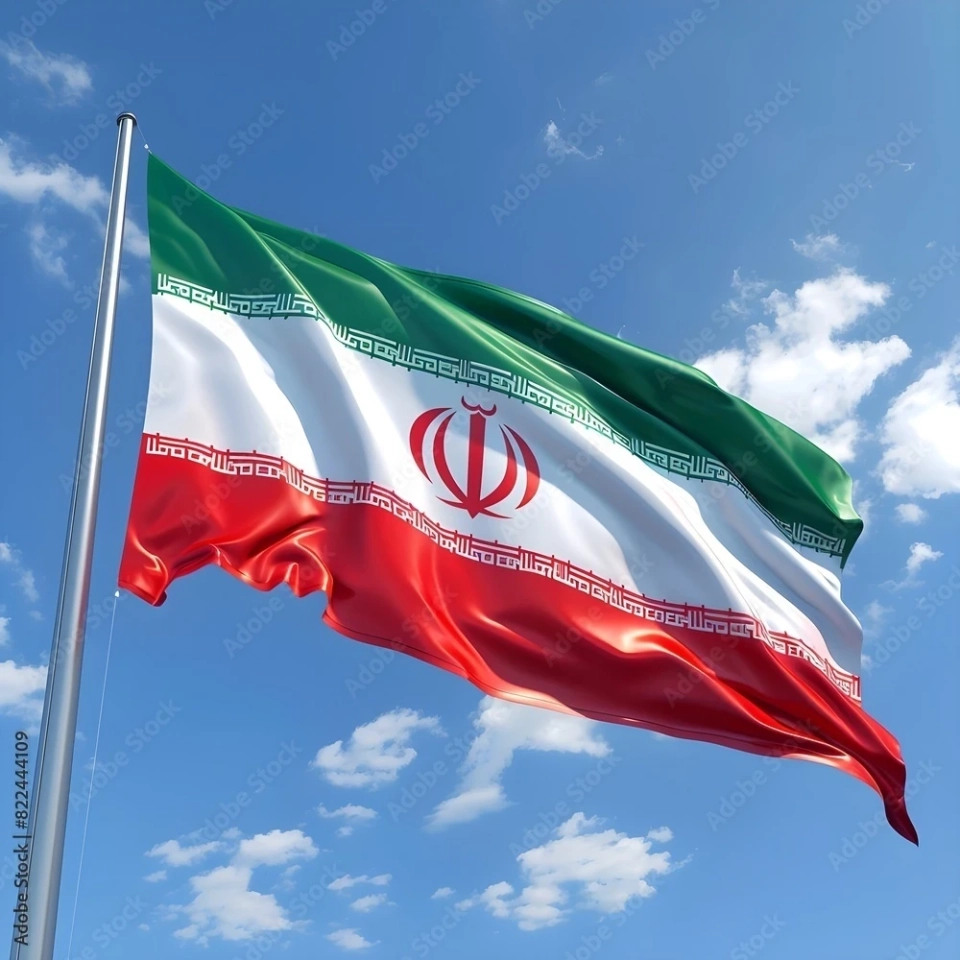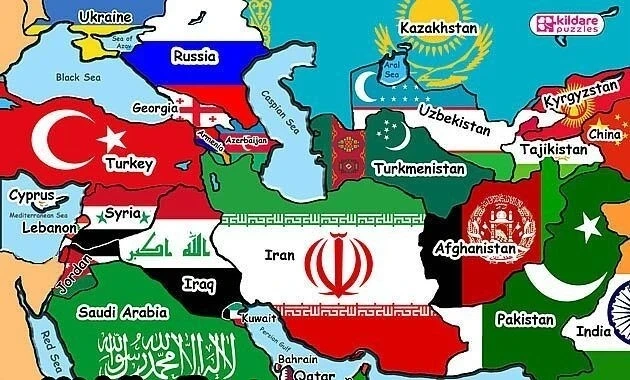
Iran is one such example: a country with extensive oil and mineral reserves, it occupies an important geographical position at the crossroads of East and West and has a large territory and numerous population.
Western powers, starting from the colonial period of Britain and continuing to modern times, when the USA seeks to control oil and other strategic resources, have always adhered to the principle of "divide and rule".
According to this strategy, large independent states are aimed to be divided into smaller and more manageable ones. As long as the rulers of such countries serve Western interests, they are left alone; the main goal is the plundering of resources.
However, when any government or people demand independence and seek to use their wealth for the benefit of their own population, they become targets for overthrow, destruction, or dismemberment, so that power shifts to dependent regimes.
Until the end of the 20th century, Iran was under the control of the USA. But after the establishment of a national government supported by the people and clergy, similar to the government of Mohammad Mossadegh, and the nationalization of the oil industry, it was overthrown in a coup.
With the Islamic Revolution of 1979, Muslim peoples began to awaken, and a wave of revolutionary movements erupted in the Islamic world, prompting governments to announce some changes in policy.
Realizing that the Islamic Revolution could inspire other peoples, the USA began organizing coups and internal conflicts against Iran. After the failure of these attempts, an eight-year war was unleashed by Iraq against Iran with the support of the USA and several regional regimes. Despite heavy losses, the war ended in victory for the Iranian people.
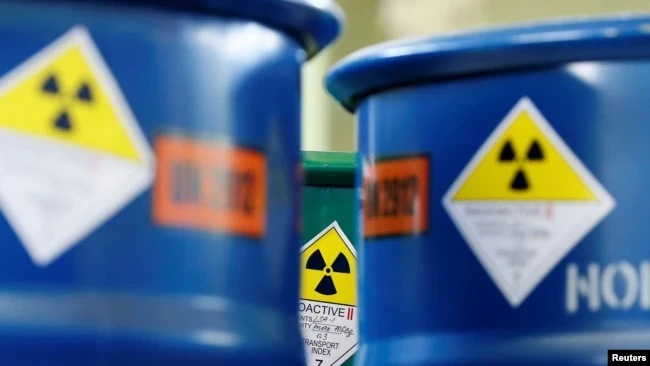
After the conflict ended, Iran began rapid development in scientific, industrial, medical, and defense fields, including nuclear technologies. By 2024, the country had achieved high positions in international rankings.
These achievements became unacceptable for the West, which feared that Iran could become an example for other Islamic states. As a result, projects to create internal unrest were periodically launched, and over time, the interval between them shrank to one or two years.
Despite the support of the USA and Israel, all these conspiracies failed.
Ultimately, the enemies concluded that they should resort to direct military actions and assassinations of high-ranking Iranian officials, including leaders of power and scientists, as well as activate their spy networks.
However, thanks to the wisdom of Ayatollah Ali Khamenei and the unity of the Iranian people, this conspiracy also failed. After twelve days of clashes, it was the USA and Israel, through intermediaries, who requested a ceasefire, and the US president acknowledged that he had "saved Israel from hell".
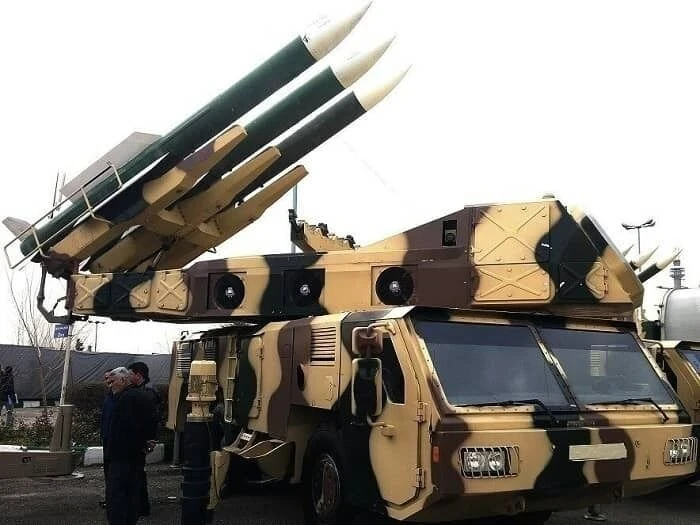
Iranian hypersonic missiles and inexpensive drones impressed opponents who had previously considered these achievements to be lies, but now began to replicate them.
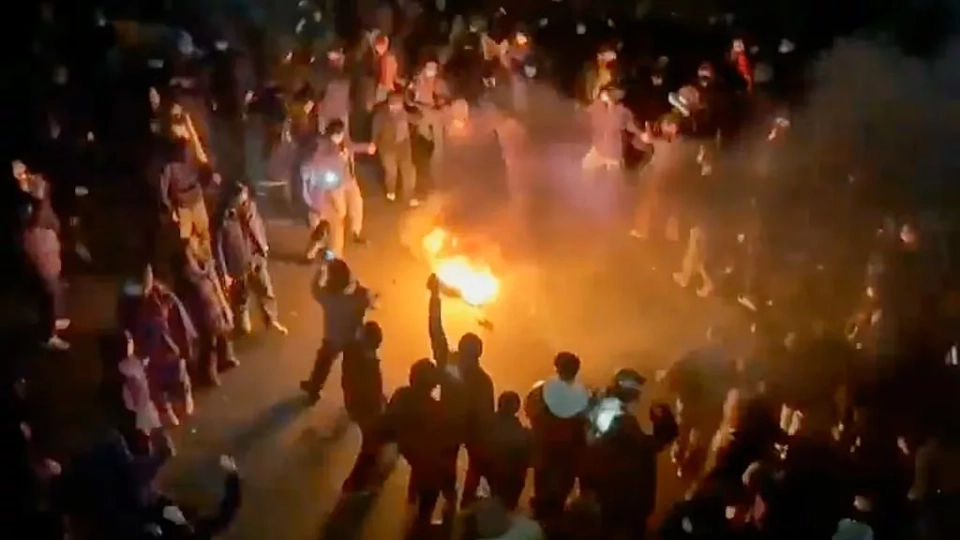
After their military defeat, the enemies turned again to their spy-sabotage network and forces aimed at creating disorder. Under the pretext of peaceful economic protests, an organized terrorist campaign similar to ISIS began in more than 650 cities and 1700 locations across the country.
Over two days and nights, taking advantage of the absence of military force against them, they killed about 2500 security personnel and civilians, including children and medical workers. In some cases, posing as ordinary people, they promised to take the wounded to the hospital but then shot them. After the arrest of more than a thousand participants in these events, many gave shocking confessions that were shown on Iranian television marked "not for viewers under 18".
As a result of these disturbances, enormous damage was inflicted on state and private property, including 305 ambulances, 24 gas stations, 700 shops, and many other facilities.
Nevertheless, a multi-million rally of the people, numbering about three million in Tehran and nearly forty million across the country, put an end to this unrest.
Thus, the elites of Islamic countries must be vigilant and not succumb to the manipulations of international structures that promote human rights, democracy, and freedom. They should study the fates of countries such as Palestine, Lebanon, Libya, Syria, Iraq, and Venezuela, and question the compliance of such actions with international law.
Opponents of Islam consider the destruction of the Islamic Republic to be the first step towards establishing control over the remaining Islamic states—from Azerbaijan and Turkey to Egypt, Pakistan, Indonesia, Malaysia, Morocco, and Algeria.
The elite of the Islamic world bears the responsibility of clarifying and informing their peoples about resisting this dangerous project. Despite all conspiracies, the Islamic resistance front continues to expand. HAMAS, once a charitable organization, has today become a force opposing the Zionist regime. Lebanon, despite the loss of its leaders, remains stronger than ever. In Iraq, the resistance forces from the minority have become influential in parliament.