According to EABR forecasts, by 2030, electricity consumption in Central Asia will increase by 40%, which will require the introduction of 62.8 GW of new capacities by 2035. In the context of these changes, experts propose an "optimal path" strategy that combines the modernization of traditional generation and the development of renewable energy sources (RES). This approach turns out to be 30-45% less costly compared to "green maximalism," while simultaneously reducing the carbon footprint fivefold compared to conservative development methods.
Extremes are Inefficient
• In the context of regional growth, outdated infrastructure requires modernization: by 2030, electricity consumption will increase by 40%, and more than half of the existing networks and power plants need updating.
• Extreme approaches do not work: the conservative method retains risks and a high carbon footprint, while "green maximalism" may threaten the reliability of energy supply and increase tariffs.
• The "optimal path" from EABR represents a balanced strategy that includes the modernization of traditional sources, the development of RES, the implementation of storage systems, and the digitalization of networks.
• For the region, this means a significant reduction in capital costs by 30-45%, a decrease in electricity production costs by 25-35%, and a fivefold reduction in the carbon footprint compared to a conservative scenario.
The Energy Transition in Central Asia: Challenges Cannot Be Ignored
Global Records in Clean Energy in 2024
On a global scale, the energy transition continues to gain momentum. In 2024, a record number of solar and wind power plants were commissioned, with investments in clean energy surpassing those in fossil fuels. However, such successes also bring new challenges.
Increasing Consumption: Electricity as the Foundation of Technologies
The demand for electricity is growing faster than low-carbon technologies are developing, leading to an increase in global CO₂ emissions. Electricity is becoming the cornerstone of new industries, such as artificial intelligence, data centers, electric vehicles, and numerous connected devices that require round-the-clock energy supply. This is only possible through stable managed sources and reliable networks, supplemented by backup capacities.
Conservative and Green Approaches: Two Paths to the Future of Energy
Analysis of energy policies in different countries reveals two main approaches. The conservative method focuses on preserving and expanding existing sources, relying on the availability of fossil fuels and existing infrastructure. This creates technological inertia and increases vulnerability to ecological and market risks. In contrast, some "green" parties strive for rapid decarbonization and abandonment of traditional generation, which may lead to a lack of network infrastructure and reduced reliability of energy supply, consequently increasing costs. A balanced energy policy should consider optimal technological and investment solutions, minimizing systemic risks and financial constraints.
CA Under Pressure: Outdated Networks and Growing Demand
Central Asia faces a unique set of challenges and opportunities in the energy transition process. Electricity consumption in the region is rapidly increasing and may rise by 40% by 2030. At the same time, a significant portion of the infrastructure is outdated, and more than half of the power grids need modernization, while technical losses in the networks significantly exceed those of developed countries. Recent winters have brought serious energy crises to the region, including rolling blackouts and accidents at old power plants.
Solar, Wind, and Hydro Resources of Central Asia
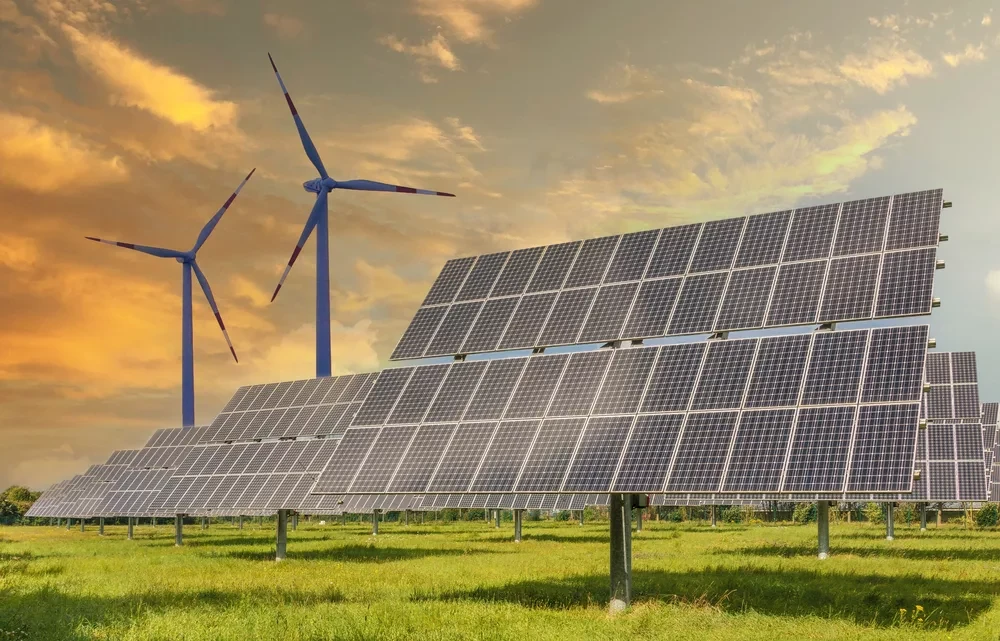
Nevertheless, the region has significant resources for a successful energy transition. Southern Kazakhstan and the deserts of Uzbekistan have excellent conditions for solar generation, while Kyrgyzstan and Tajikistan have powerful mountain rivers for hydropower, and western Kazakhstan and the Caspian coast are characterized by strong winds. Central Asia also has extensive reserves of natural gas and uranium, and key decisions have already been made regarding the development of nuclear energy.
The Optimal Path in Practice: Reliability and Environmental Friendliness Combined
In its new report, EABR proposes an "optimal path" strategy for the energy transition based on the example of Central Asia. This balanced strategy does not require a choice between reliability and environmental friendliness. It takes into account sustainable development goals, energy security, and accessibility. This approach is based on pragmatism and flexibility: climate goals must align with the capabilities of infrastructure and society; otherwise, high ambitions may lead to serious problems.
Evgeny Vinokurov, Chief Economist of EABR:
“The 'optimal path' represents a strategy that allows Central Asia to combine the reliability of traditional energy with the environmental friendliness of new technologies, utilizing all available sources—from solar and wind energy to gas and nuclear generation. Active development of RES is necessary, while not forgetting about the modernization of traditional power plants, improving network infrastructure, and launching full-fledged regional trade. Such a flexible approach will create a solid foundation for the region's economic growth.”
Five Steps to a Successful Energy Transition
Successful implementation of the strategy will require coordination among states, businesses, and international organizations.
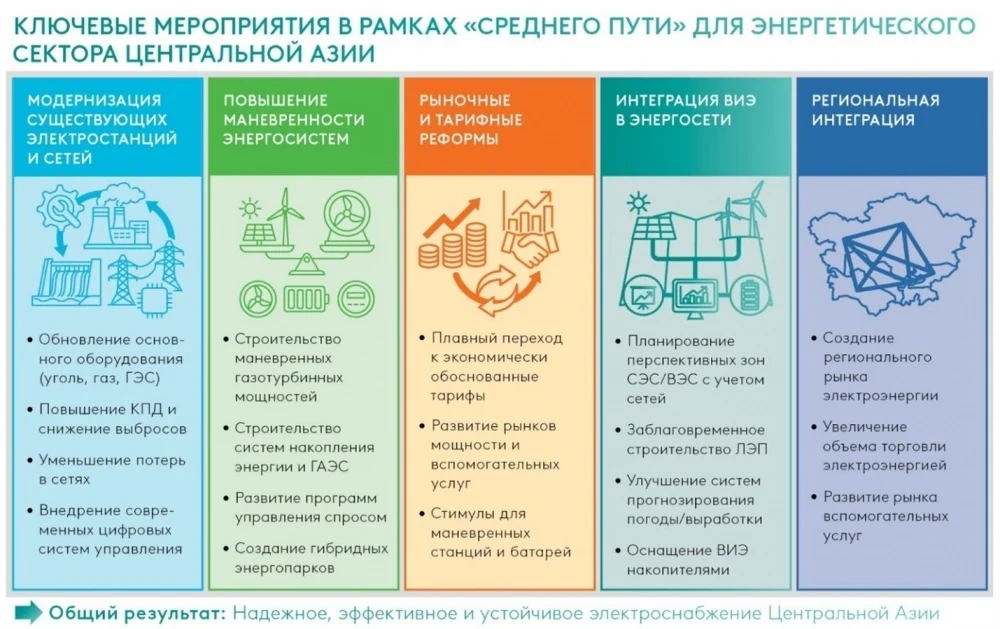
EABR experts highlight five key areas of action:
1. Modernization of existing power plants and networks. Updating equipment at coal, gas, and hydropower plants will improve their efficiency, reduce emissions, and extend their lifespan. Networks also need to be reconstructed to reduce technical losses and implement modern management systems.
2. Increasing the maneuverability of the energy system. To compensate for the variability of solar and wind generation, fast backup capacities are needed. This requires the construction of modern gas turbine units, deployment of energy storage systems, and implementation of demand management systems.
3. Market and tariff reforms. Transitioning to economically justified tariffs will ensure an influx of investments into the energy sector. It is necessary to modernize the electricity market by introducing capacity and reserve trading to create incentives for building flexible gas plants and battery parks.
4. Integration of RES into the energy grid. The development of solar and wind generation should go hand in hand with strengthening network infrastructure so that new sources can be effectively connected to the grids.
5. Regional integration. Uniting the energy systems of Central Asian countries and trading electricity with neighbors will enhance the reliability of energy supply and reduce costs. This will require investments in interstate power lines and coordination of energy system management.
Why the "Optimal Path" Turns Out to Be More Beneficial: Numbers and Facts
A comparative analysis of three scenarios for the development of the energy sector in Central Asia shows that the integral strategy of the "optimal path" provides the most sustainable development across the entire energy trilemma. According to the plans of the countries in the region, by 2035, at least 62.8 GW of new capacities are expected to be commissioned, which is equivalent to 230 billion kWh of new annual generation. Modeling demonstrates that this scenario requires capital costs that are 30-45% lower than "green maximalism" and is comparable to the conservative scenario. In terms of normalized electricity production costs, the "optimal path" is also comparable to the conservative approach and is 25-35% lower than "green maximalism," while having a carbon footprint five times smaller.
Energy in CA Without Upheavals: Advantages of a Balanced Approach
The balanced strategy of the "optimal path" can become a reliable foundation for the modernization of the energy sector in Central Asia. This comprehensive approach will ensure reliable and affordable energy supply, significantly reduce the carbon footprint, and allow for an energy transition without serious upheavals, which will be beneficial for the economy and enable the fulfillment of climate commitments.