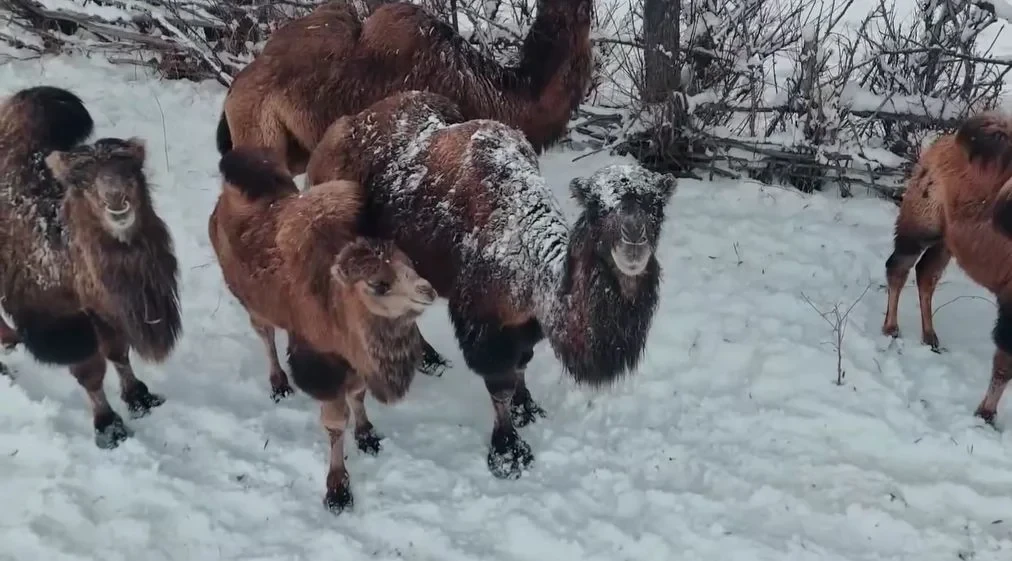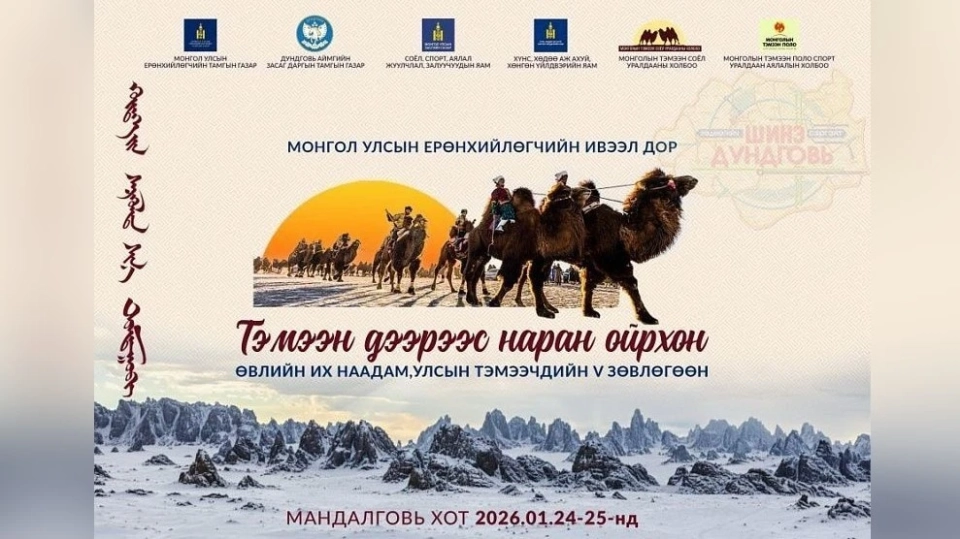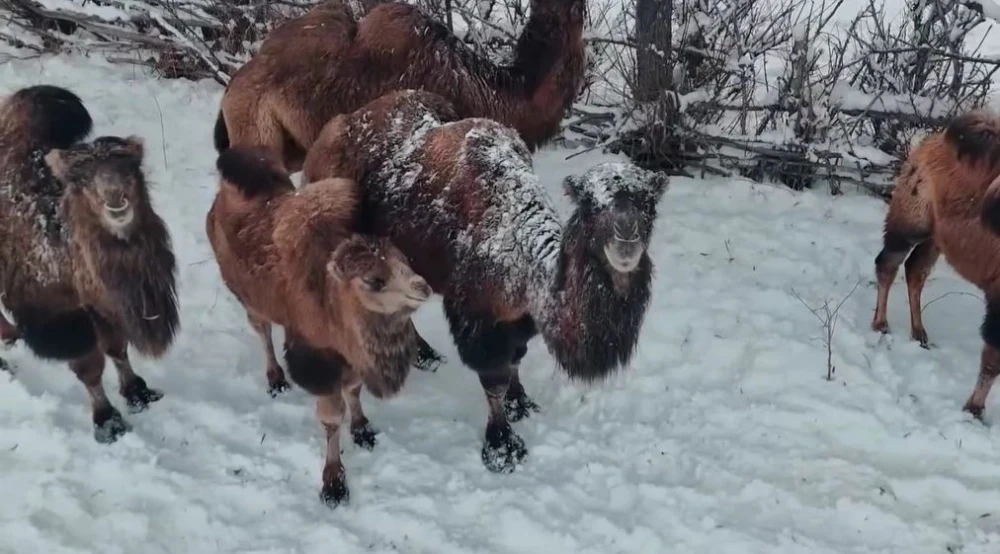
Boto sets ambitious goals for the development of this sector. He is not only increasing the number of camels in the Naryn region but also plans to expand his efforts to other regions of the country, aiming to increase the number of these animals in the republic. The farmer's plans include importing new breeds from Mongolia for breeding work, which will improve the characteristics of local camels. Camel breeding brings significant profits: an adult male can yield up to 500 kg of meat, while milk and wool are in demand in the market. Camel wool is especially valued, as it is used to make warm clothing, blankets, and medicinal products that find their buyers.
This initiative not only helps revive the nearly forgotten traditions of camel breeding but also contributes to the diversification of Kyrgyzstan's livestock sector. The development of such farms allows for more efficient use of pasture resources and strengthens food security in the regions by offering unique products and raw materials for the light industry.