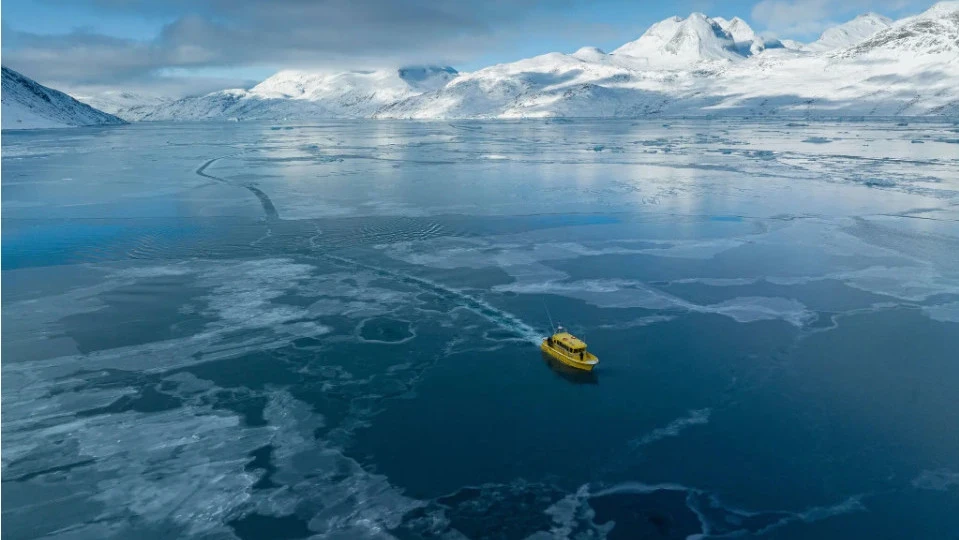
Climate feedbacks are processes in which changes in one part of an ecosystem trigger reactions that affect the entire system, either amplifying or dampening the initial effect. For example, melting ice and snow reduce the reflection of sunlight, leading to the warming of the planet, while deforestation and the loss of carbon from the soil increase CO₂ levels in the atmosphere. These changes can accelerate warming and increase the climate's sensitivity to greenhouse gas emissions.
Researchers have identified 16 critical "tipping points" that could sharply change their state upon reaching certain temperature thresholds. Disruption of even one of these systems can trigger a cascade of interconnected changes that contribute to global warming.
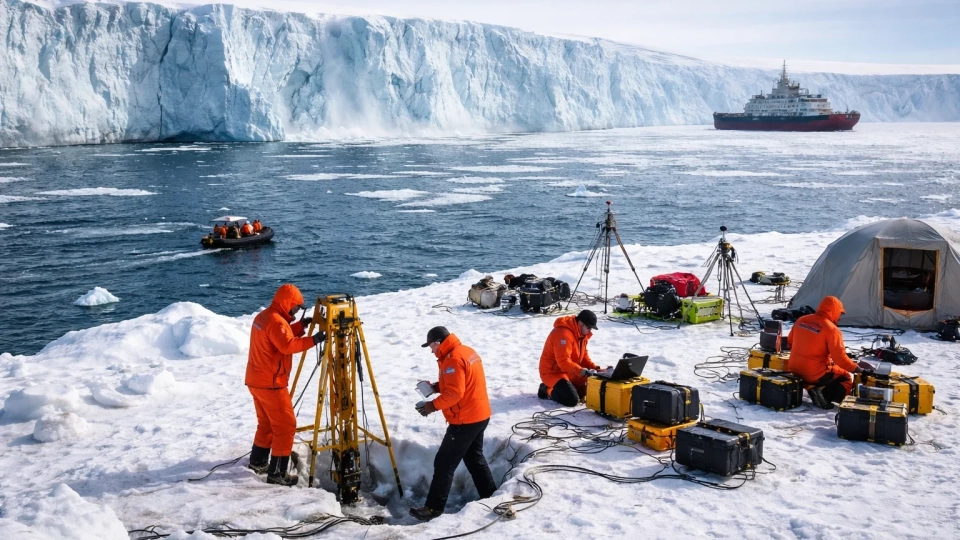
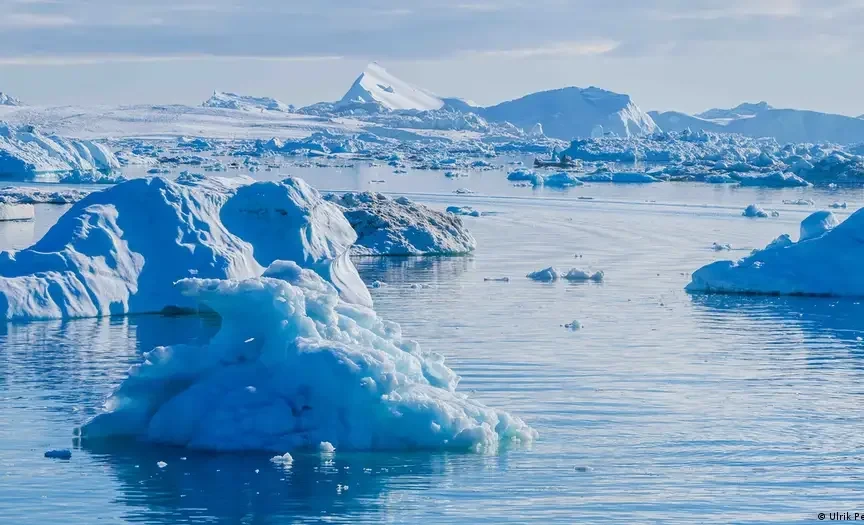
These points include the ice sheets of Antarctica and Greenland, mountain glaciers, sea ice, boreal forests, and permafrost, as well as the tropical forests of the Amazon and the Atlantic Meridional Overturning Circulation (AMOC).
Destabilization of any of these elements could lead to intensified warming, rising sea levels, and changes in global climate patterns, including shifts in rainfall zones. For instance, the melting of the Greenland ice sheet could weaken the AMOC flow, increasing the risk of Amazon rainforest dieback.
"The Earth's climate stabilized over 11,000 years ago after millions of years of fluctuations between glacial periods and warm phases, allowing agriculture and complex societies to develop," says William Ripple, a professor of ecology and lead researcher. "We are currently moving away from this stability and may enter an era of unprecedented climate changes."
We are already witnessing the consequences of the climate crisis: the ice sheets of Greenland and West Antarctica are losing their stability, while mountain glaciers and permafrost are on the brink of irreversible changes.
In the past 12 months, the average global temperature has exceeded pre-industrial levels by 1.5°C, and CO₂ levels have reached 420 parts per million. This is 50% higher than before the industrial revolution and is a record for the past 2 million years.
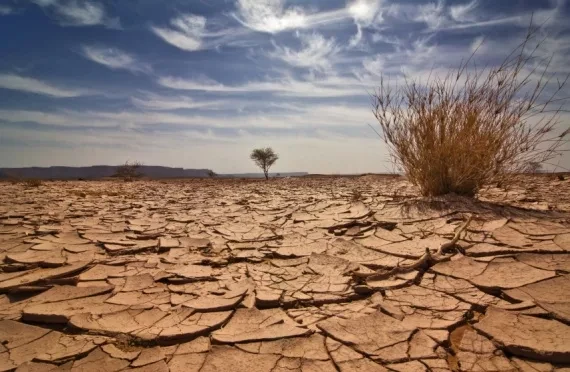
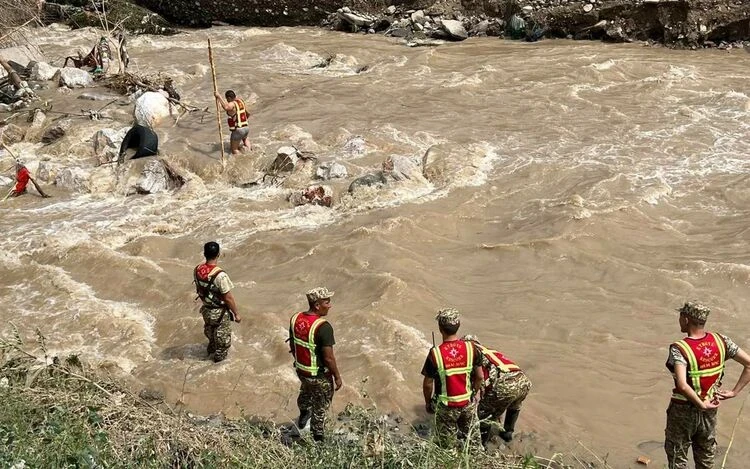
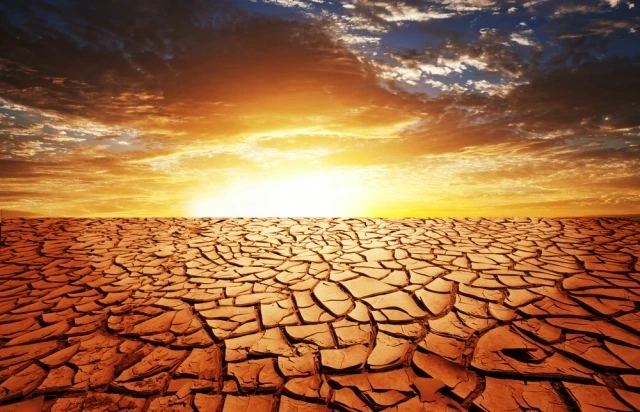
These changes are leading to increasingly extreme, destructive, and deadly natural disasters, including wildfires and floods.
Scientists are calling for immediate action, which includes the development of renewable energy sources, protection of carbon ecosystems, phasing out fossil fuels, and implementing climate adaptation strategies. They emphasize the need to monitor tipping points and develop risk management plans to prevent an uncontrolled scenario.