According to reports, Kyrgyzstan's debt to "RusHydro" for the Upper Naryn Cascade of HPPs has exceeded 51 million dollars. The initial cost of the project was 37 million dollars, but during the proceedings, this amount nearly doubled due to accrued interest.
In September 2012, an agreement was signed between Kyrgyzstan and Russia for the construction and operation of the Upper Naryn Cascade of HPPs and the Kambar-Ata-1 HPP, as reported by "Interfax".
In early 2016, Kyrgyzstan unilaterally denounced the previously signed agreements, citing the lack of financing solutions for the projects.
Moreover, the conditions proposed by the Russian side for increasing the cost of loans necessary for the construction of the HPPs did not satisfy the Kyrgyz side.
At that time, "RusHydro" had invested 37 million dollars, and the company turned to the arbitration court in The Hague to demand the return of these funds. The international court ruled in favor of "RusHydro," maintaining the accrual of interest.
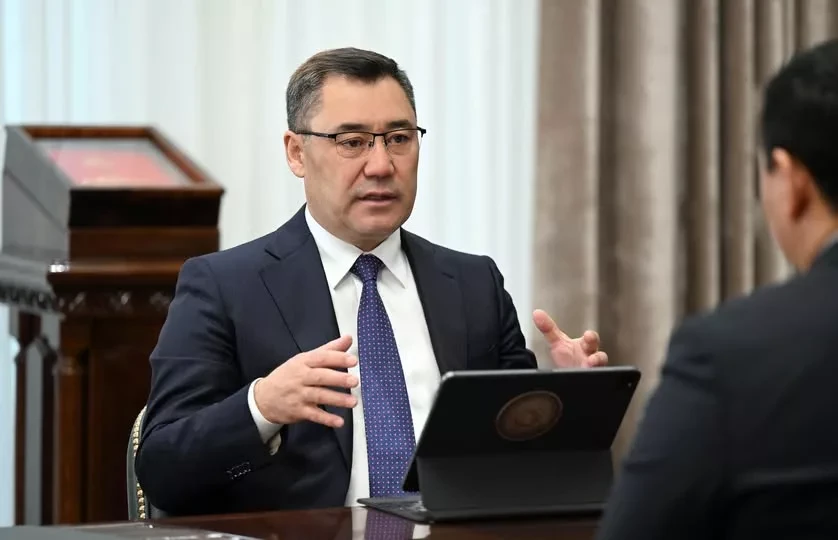
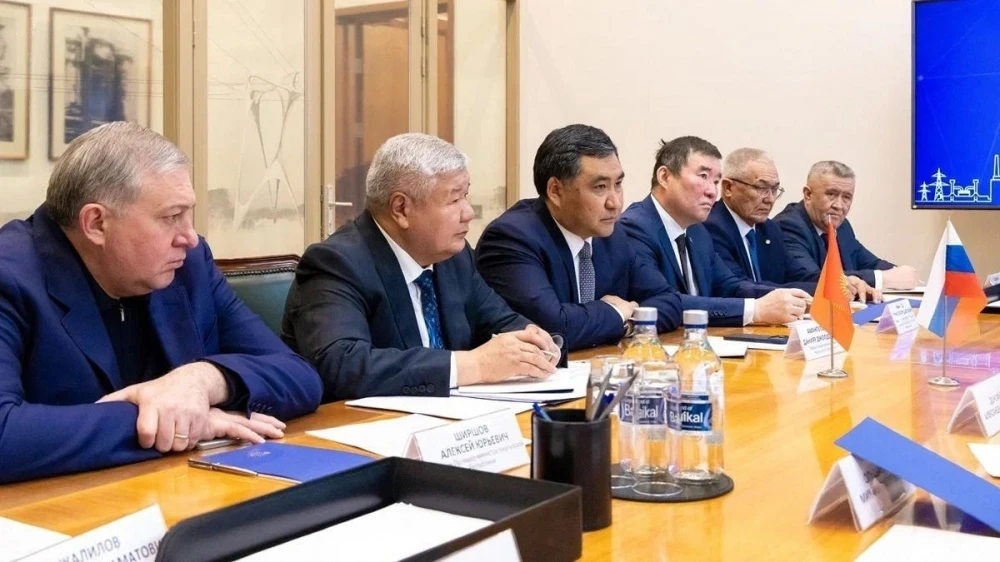
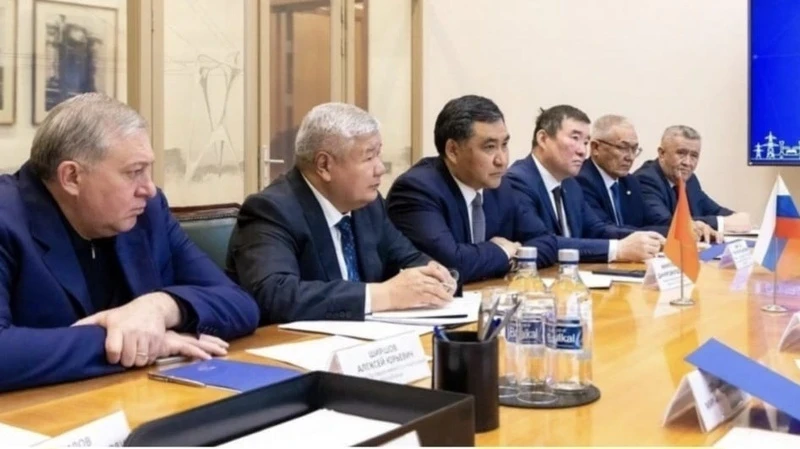
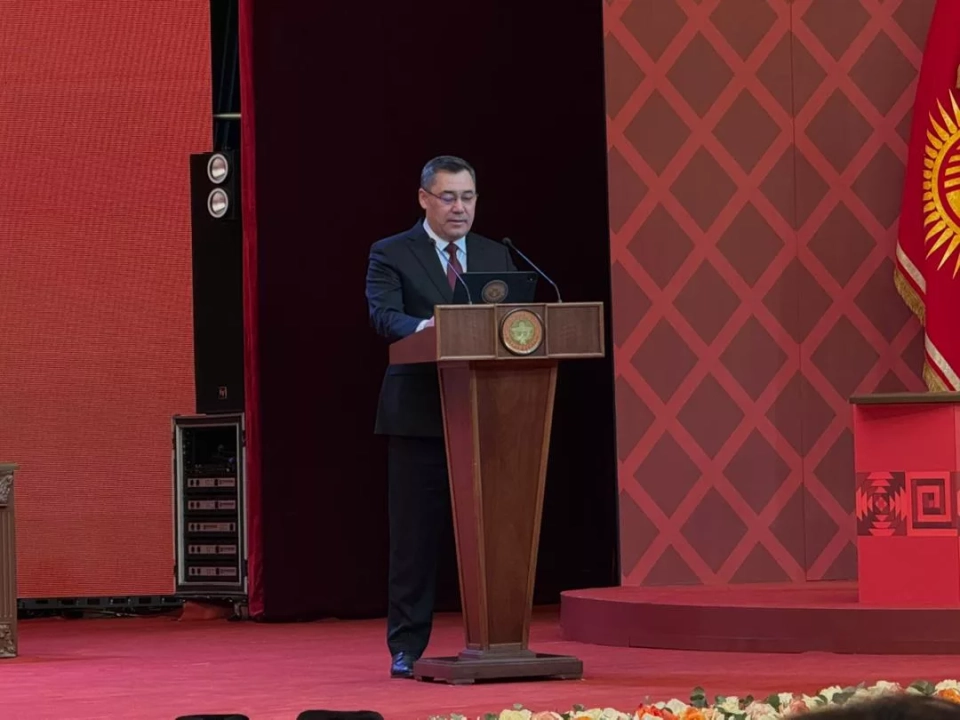
In response, President Sadyr Japarov instructed a delegation led by Daniyar Amangeldiev to conduct negotiations in Moscow to find solutions for repaying the debt.
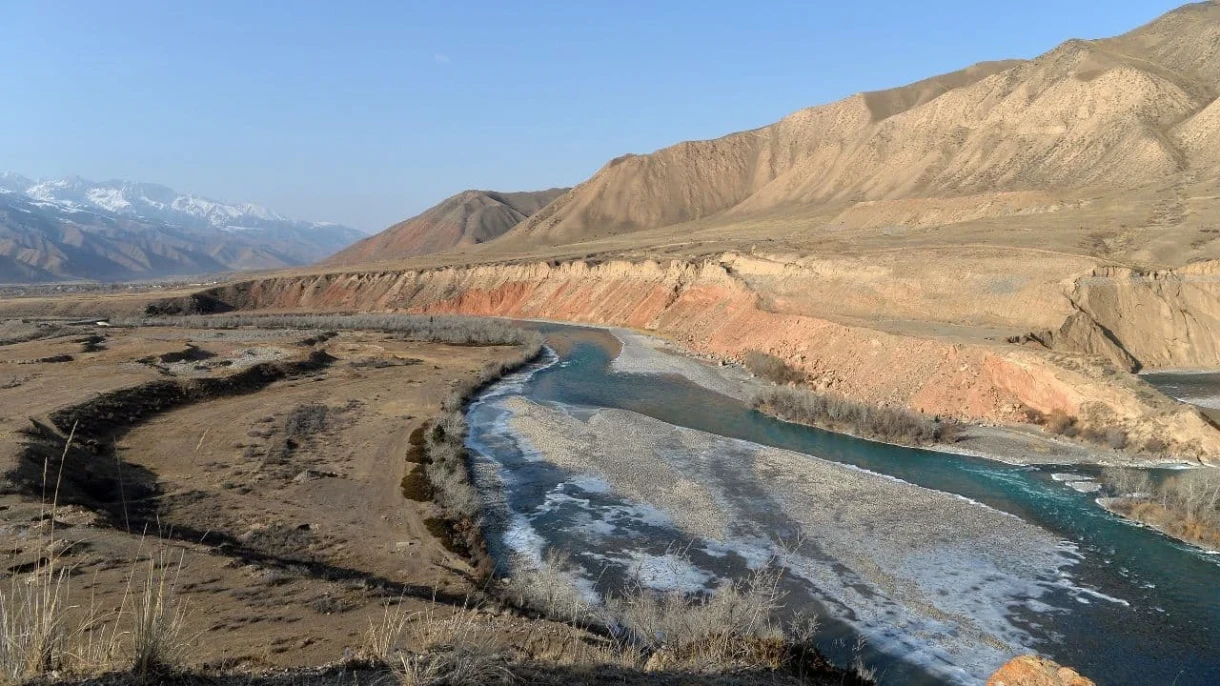
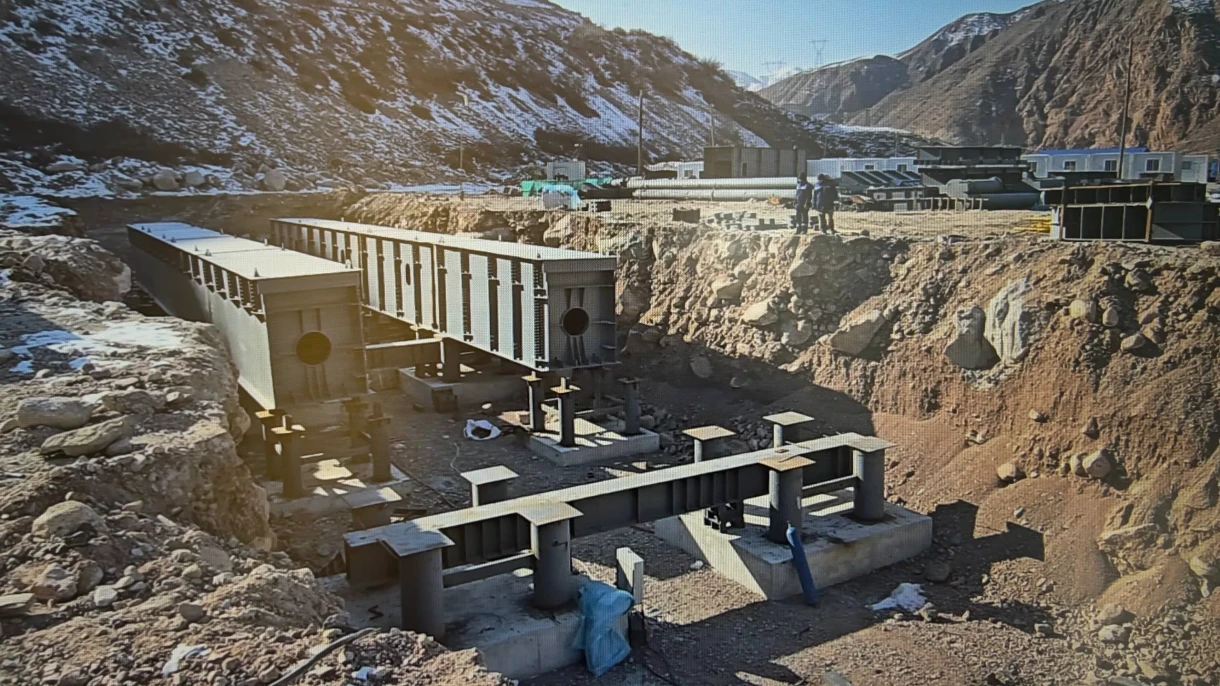
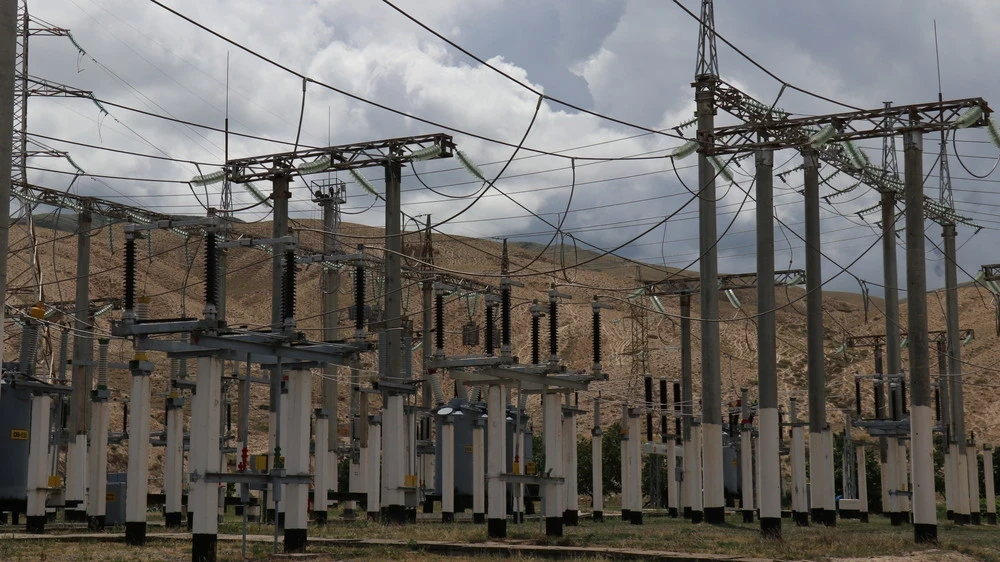
The Upper Naryn Cascade of HPPs is a suspended project for the creation of a hydroelectric complex in the upper reaches of the Naryn River, near the city of Naryn in Kyrgyzstan.
The project includes the construction of four hydroelectric power stations: Akbulun HPP, Naryn HPP-1, Naryn HPP-2, and Naryn HPP-3. All stations were planned to be built using a dam-derivation scheme with small reservoirs.
The total designed installed capacity of the cascade was to be 237.7 MW, with an average annual electricity generation of 942.4 million kWh. Construction work was carried out from 2013 to 2015 under an intergovernmental agreement between Kyrgyzstan and Russia.
The launch of the first hydro unit was planned for 2016, and the completion of construction was scheduled for 2019. Currently, the Russian state company "RusHydro," which owns 50% of the shares in the joint venture with Kyrgyzstan, intends to sell this non-core asset.
The company hopes to recover the 37 million dollars invested in the project; however, no buyer has yet been found for this long-delayed construction.