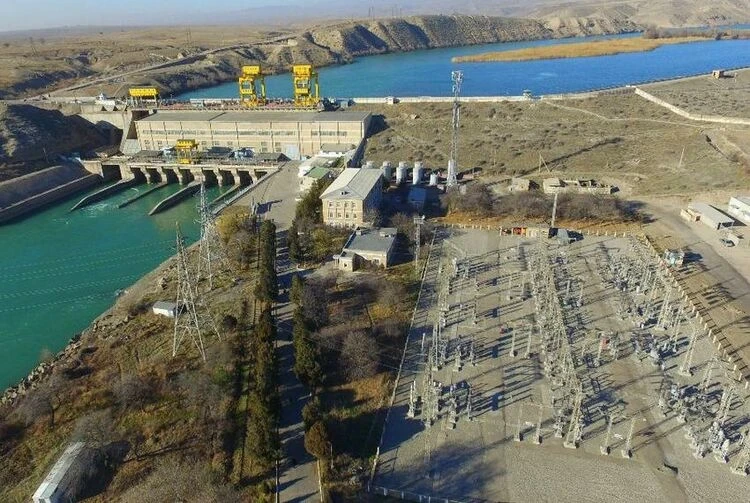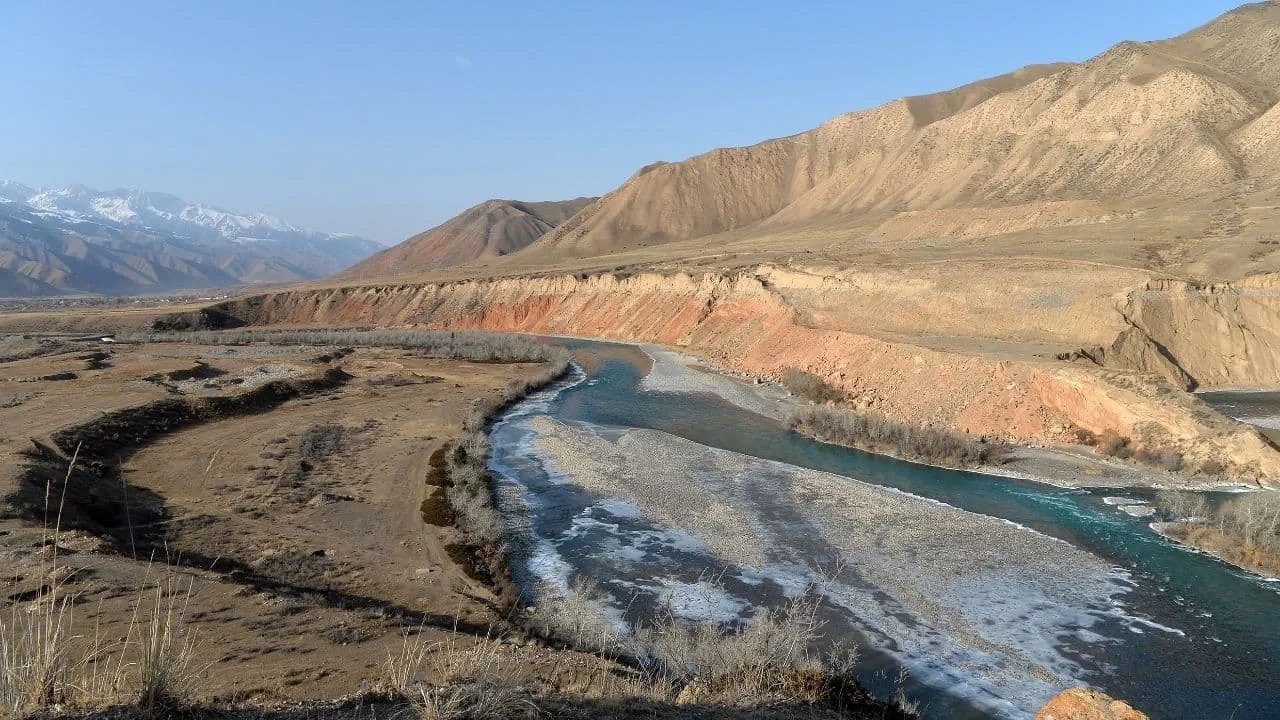

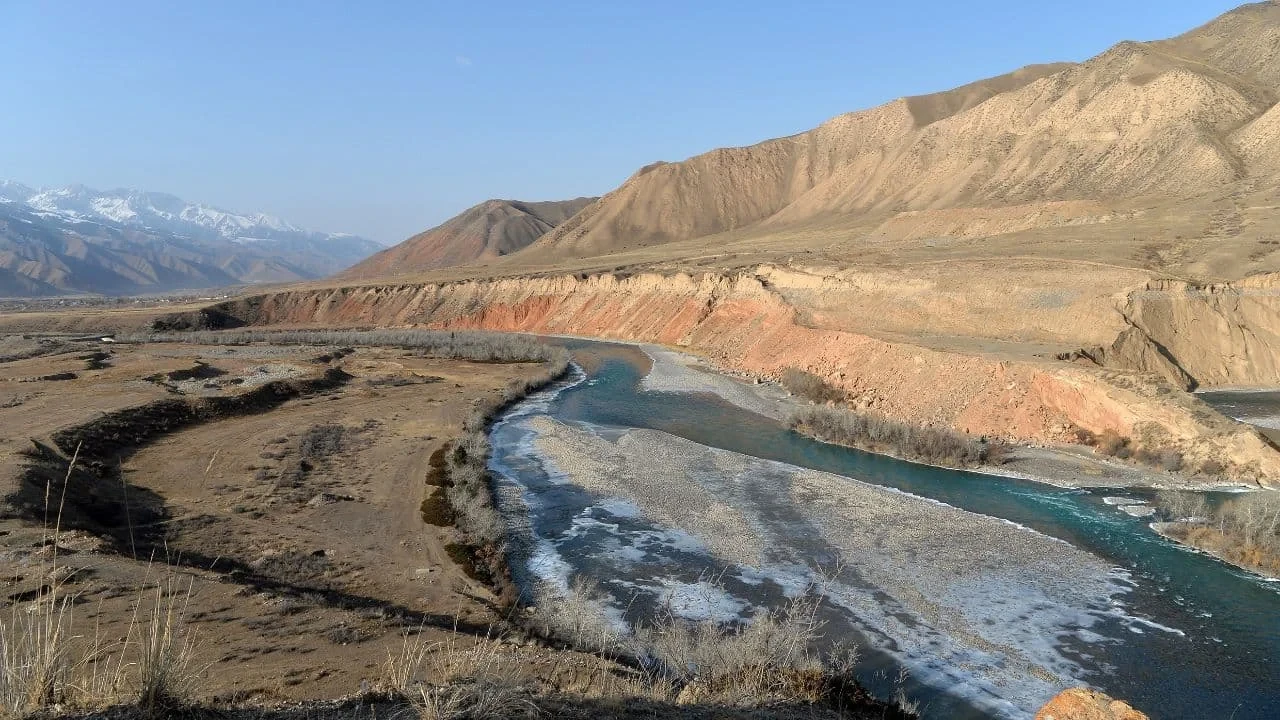

Kyrgyzstan and Russia have begun working on resolving conflicts related to the construction of the Upper Naryn cascade of hydropower plants. The project, which was launched with great fanfare under the previous administration, has come under threat due to disagreements between the parties, leading to legal disputes. Atambayev's team was unable to resolve the issues with investors, resulting in the termination of the agreement with "RusHydro," and Kyrgyzstan found itself in an unfavorable position, losing court cases.
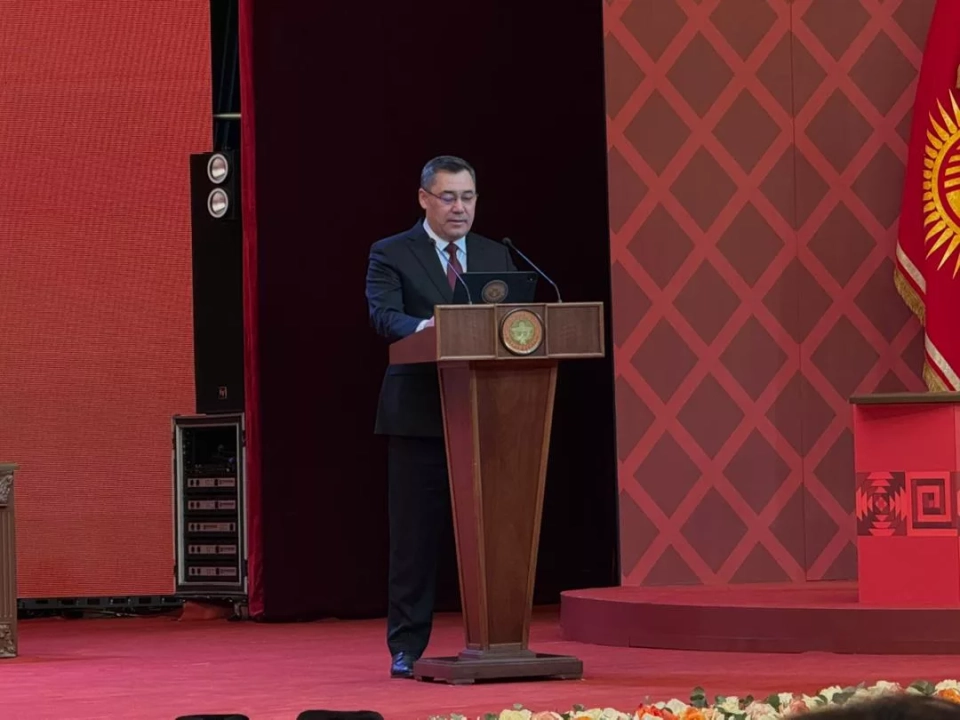
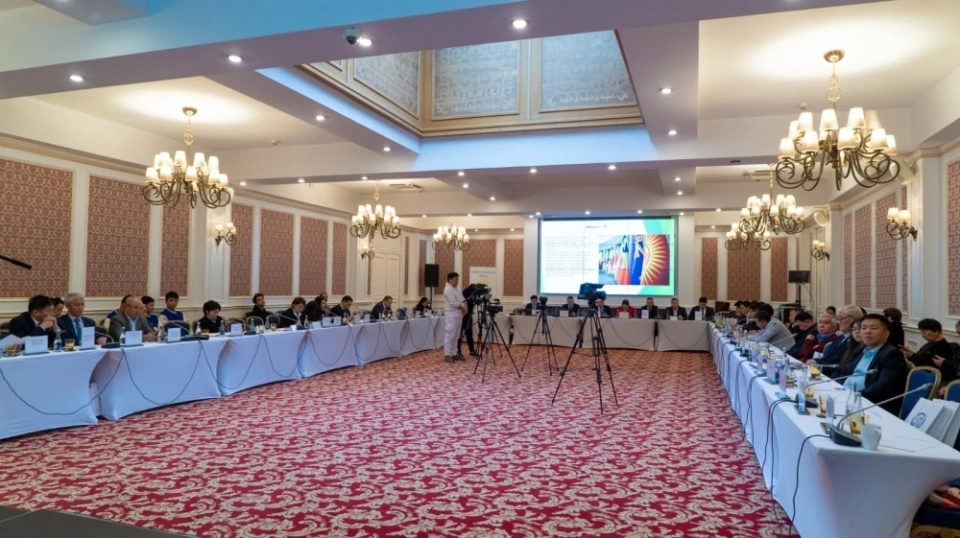
Currently, the parties are trying to find a compromise and restart the project. At recent negotiations held between Deputy Prime Minister of Kyrgyzstan Daniyar Amangeldiev, Minister of Energy Talaybek Ibraev, Russian Minister of Energy Sergey Tsivilev, and representatives of "RusHydro," an understanding was reached on the need for cooperation to resume construction of the Upper Naryn cascade.
“The meeting participants discussed the next steps for the project and agreed to continue working in this direction,” an official statement reports, indicating positive changes in the energy sector. Kyrgyzstan and Russia are set on resuming the project, which is critically important for increasing the energy capacity of the republic, necessary to meet growing demand and develop new businesses.
Ernest Karybekov, an energy expert, emphasizes that the energy systems of Central Asia and Russia are interconnected and support each other through energy transfers. “We have a common energy system in the CIS and are close partners interested in each other's stability, especially in the context of growing energy demand,” he noted.

The construction of four hydropower plants may take 2-3 years and significantly reduce the internal electricity deficit. It is important that the implementation of the project does not depend on expensive loans but is financed from internal reserves, which will shorten the payback period and make tariffs more affordable for the population and businesses,” he clarified.
The cost of the Upper Naryn cascade is estimated at 750 million dollars. In a situation where Kyrgyzstan's economy is showing high growth, this amount becomes more achievable, especially considering state support in the energy sector.
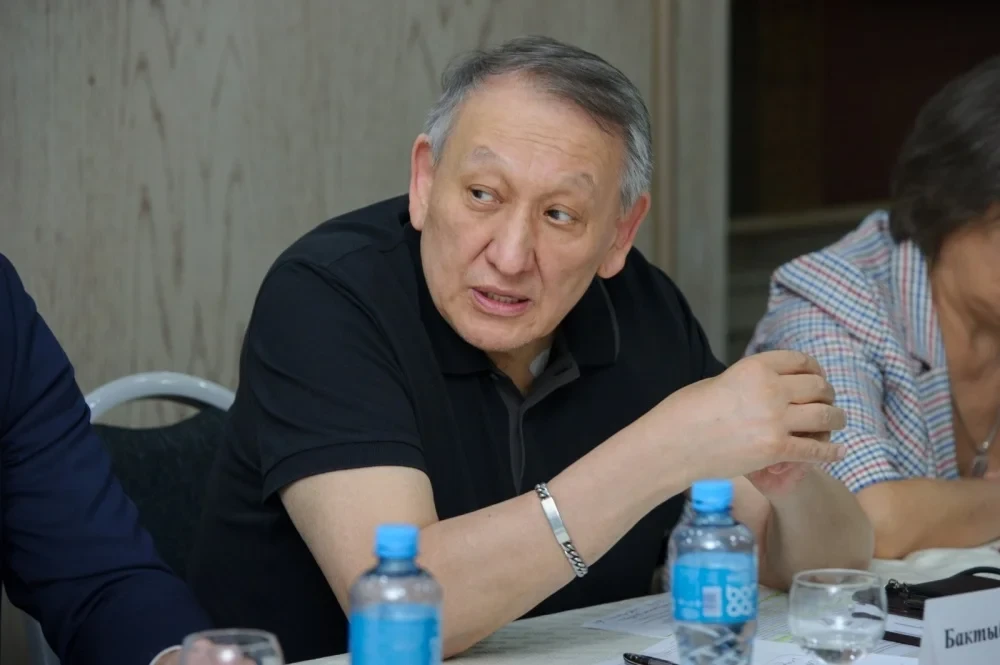
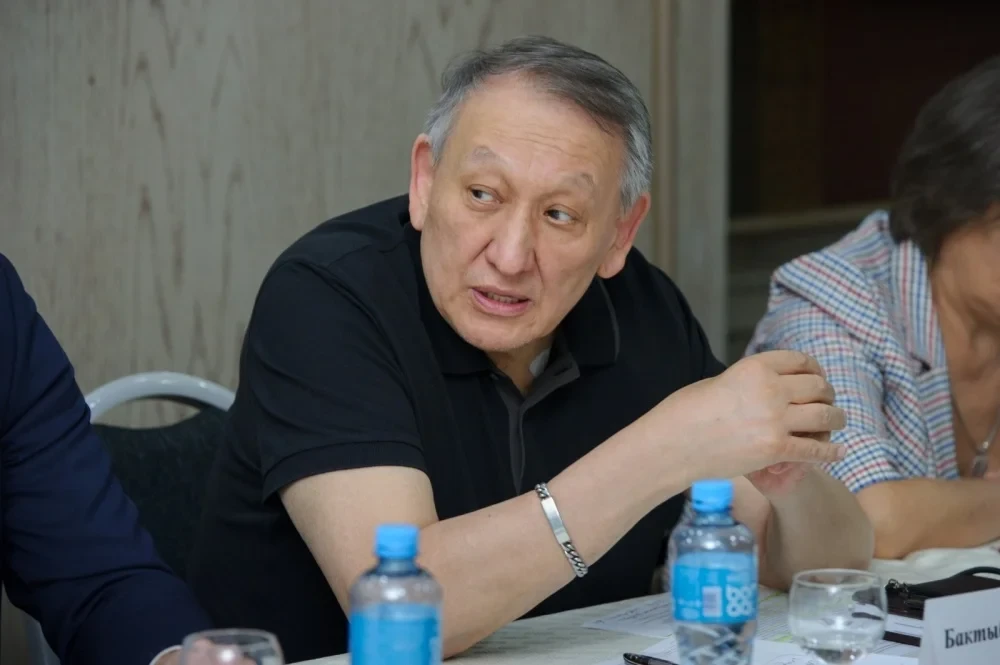
Environmentalist and clean energy expert Baktybek Saipbaev emphasizes that if the construction of the cascade had started in 2012, it would already be completed, significantly easing the burden on the energy system.
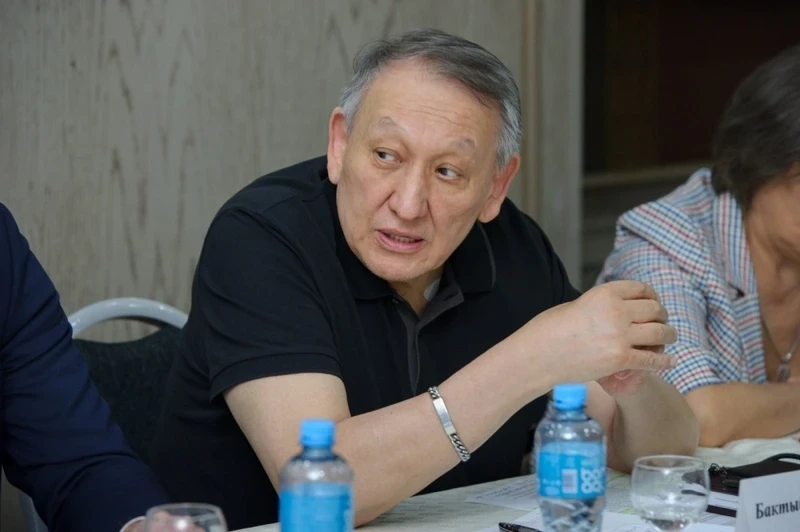
Obtaining additional generation of clean, renewable energy is particularly significant in the context of the deteriorating environmental situation in major cities. Hydropower plants do not pollute the atmosphere, so the development of hydropower is a priority for us. This will help reduce emissions and create a healthy living environment, which is especially relevant in the context of climate change. I hope that Kyrgyzstan and Russia will successfully resolve the issues regarding the project with "RusHydro," which is extremely important right now,” he added.
Although Kyrgyzstan's energy security still requires improvement, experts note that the right steps are being taken to stabilize this key sector. In the coming years, the republic should become an exporter of electricity, as dozens of small hydropower plants are being built, "Kambar-Ata - 1" is being constructed, and networks and substations are being modernized.
Experts are confident that at the current pace of development, Kyrgyzstan will be able to fully cover the electricity deficit and achieve a surplus in the coming years.