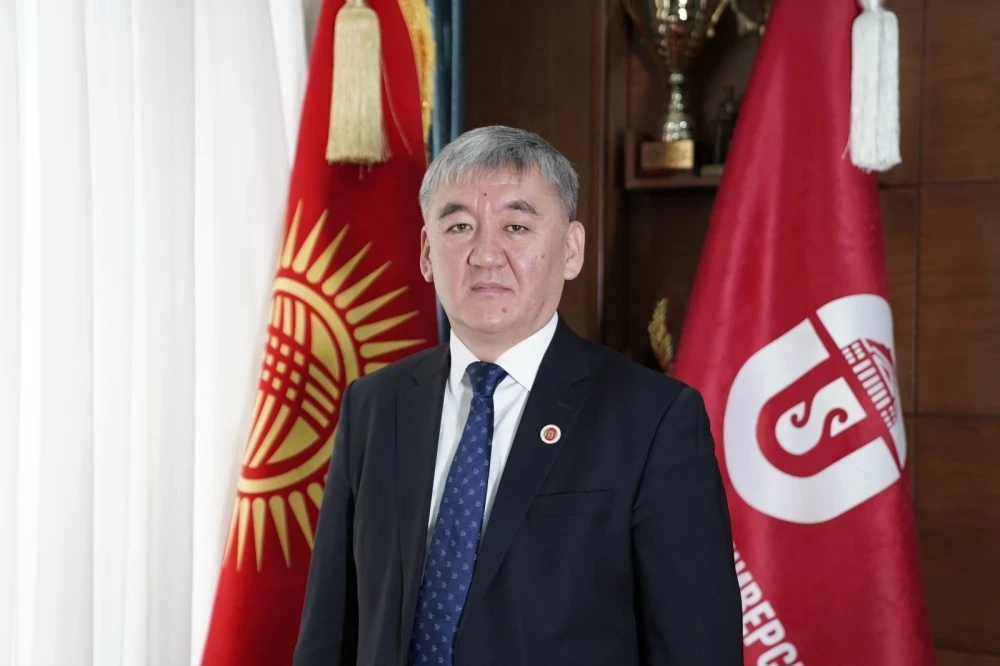
Nurjan Nurzhigitov pointed out the established water usage limits for the Kyzylorda, Almaty, Zhambyl, Turkestan, and Zhetysu regions. However, considering the current circumstances, the limits for the Zhambyl region will be revised downward, with updated data to be submitted to the regional akimat by March 1.
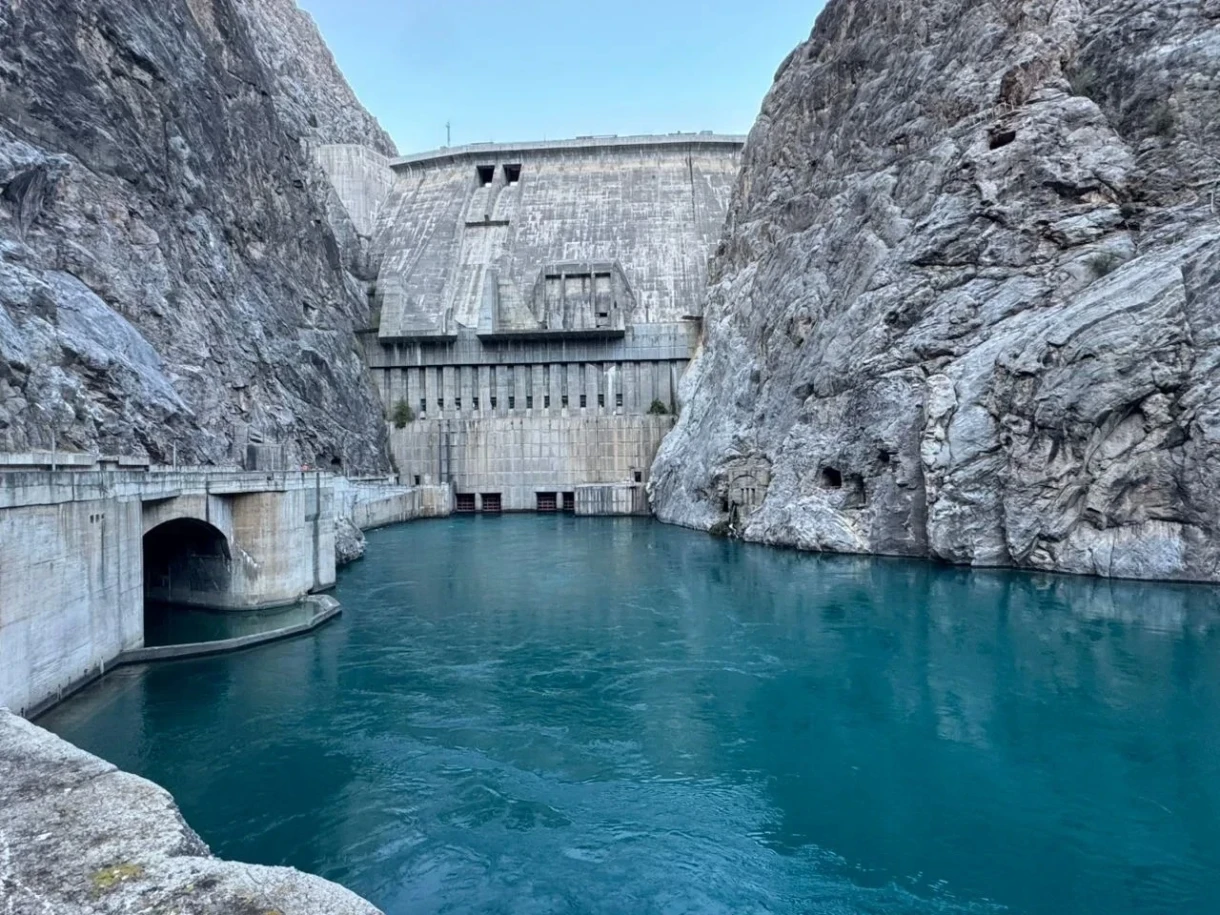
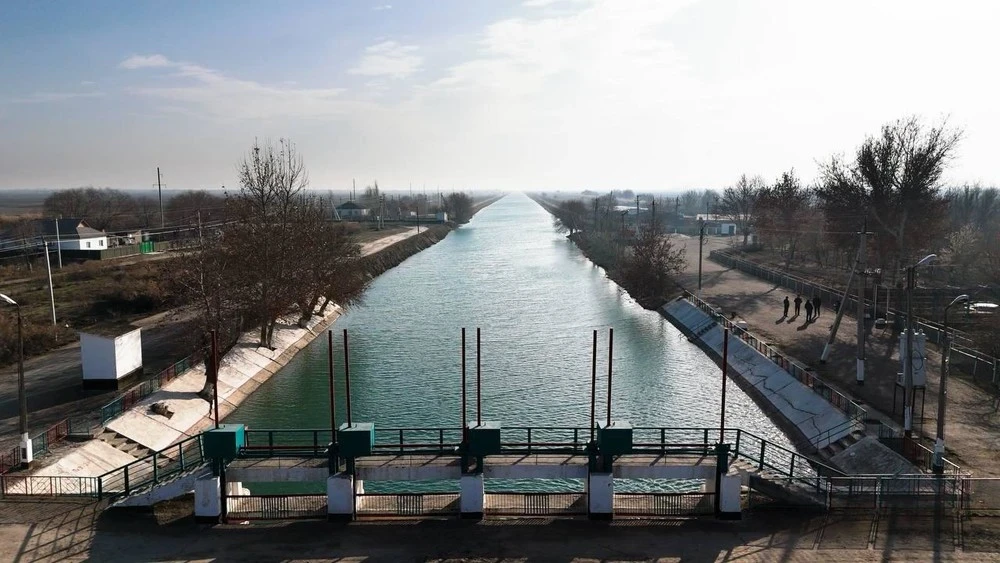
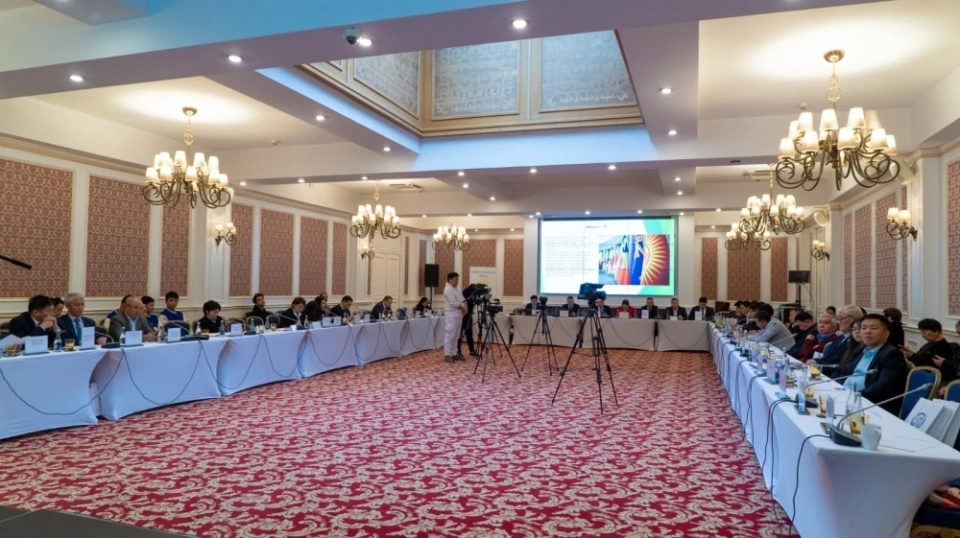
The situation in the southern regions of Kazakhstan in the upcoming 2026 year may be complicated by a water shortage, as noted by the Minister of Water Resources during a meeting. He expressed particular concern regarding the Aral-Syrdarya and Shu-Talas basins, indicating that the water level in the Toktogul reservoir is 1.5 cubic kilometers lower than last year. This, in turn, forces the reservoir to be switched to a storage mode at the beginning of the growing season, which may complicate the water supply through the interstate channel "Dostyk," necessary for the Maktaaral and Zhetysay districts.
In light of the above, the minister urged local authorities to strictly adhere to the established water intake limits, especially concerning rice crops:
- Turkestan region: exclude rice crops along the "Dostyk" channel; for the Kyzylkum channel – a maximum of 3,500 hectares.
- Kyzylorda region: no more than 70,000 hectares for rice.
It is also reported that the Shardara reservoir has been switched to a storage mode.
In the Shu-Talas basin, there is a risk of insufficient filling of the Kirov reservoir, which is the main source of drinking and irrigation water for the Zhambyl region. Currently, the volume of the reservoir is 314 million cubic meters, which is one and a half times less than last year. It is forecasted that by April 1, the volume may reach 400-410 million cubic meters, allowing Kazakhstan to take only 285 million cubic meters, while the minimum requirement is 400 million cubic meters.
The minister noted that there is particular concern regarding reservoirs that are primarily filled from internal sources.
For example, the Bogen reservoir in the Turkestan region is filled to 278 million cubic meters (46 million less than last year), and the Badam reservoir is filled to 32 million cubic meters (18 million less). A similar situation is observed in the Zhambyl region with the Ters-Ashybulak, Karakonyz, Kakpatas, Zhartas, and Burkitti reservoirs.
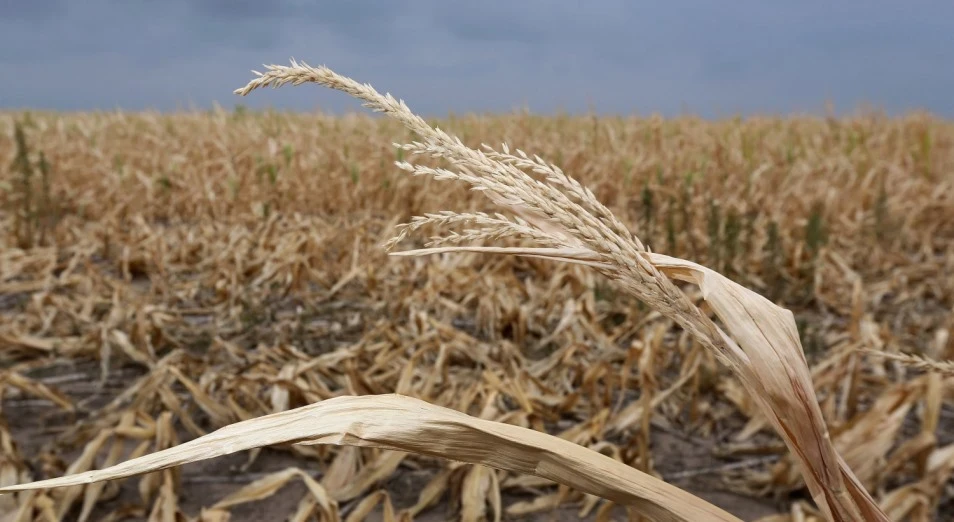
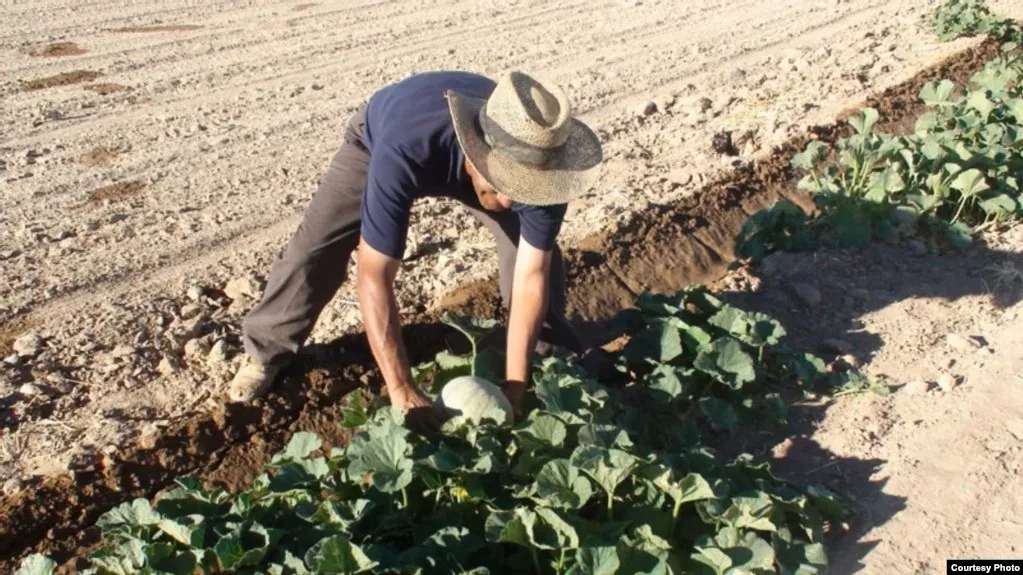
Given the current circumstances, there is an urgent need for the active implementation of water-saving technologies and a reduction in the areas allocated for the cultivation of water-intensive agricultural crops.