Despite the fact that four people have changed in the ministerial position over the past five years, unresolved issues remain. The material from 24.kg discusses attempts to reform the sector.
Problems with Medication Supply
The situation with medications in the country raises concerns: prices continue to rise, some drugs are absent from pharmacies, and others are not even available in hospitals. Many citizens try to find necessary medications on social networks, which sometimes leads to encounters with fraudsters.The state pharmacy points "El Aman," created at the initiative of former Minister of Health Alimkadir Beishenaliev, have not significantly improved the situation. Although officials promised that prices would be significantly lower than in private pharmacies, in reality, the difference turned out to be minimal, and the shortage of medications continues.
Nevertheless, there are no plans to close state pharmacies, and an additional funding of 500 million soms is planned for their development. However, whether this will solve the patients' problems remains an open question.
In Kyrgyzstan, 97% of medications are imported, with only 3% provided by local manufacturers.
The Ministry of Health acknowledges that such dependence is vulnerable and plans to optimize the work of "Kyrgyzpharmacy," including increasing funding and improving procurement processes.
In the first month of Dosmambetov's work, several meetings were held to discuss issues of medication supply and treatment of cancer patients. He set the task of eliminating the shortage of the most necessary and vital medications that citizens are forced to purchase abroad.
Fighting the Pharmaceutical Mafia
In March 2023, a state enterprise "Kyrgyzpharmacy" was established with the aim of reducing medication prices through direct cooperation with manufacturers and eliminating intermediaries.However, since its inception, the enterprise has faced criticism. In "Kyrgyzpharmacy," delays and errors in applications from hospitals have been pointed out.
At one of the meetings, Dosmambetov noted that failures and opaque processes in procurement are unacceptable. In this regard, a commission was created to analyze the work of "Kyrgyzpharmacy."
Despite the lack of reports on the results of its work, the Audit Chamber identified violations in the activities of the enterprise. Additionally, the director has changed again, and "Kyrgyzpharmacy" intends to obtain a state loan of 2 billion soms.
According to Dosmambetov, "Kyrgyzpharmacy" is in a systemic crisis — funding is available, but efficiency is at zero: procurements are disrupted, and the population and hospitals do not receive vital medications on time.
The minister believes that the causes of the problems are internal management deficiencies: poor management, conflicts of interest, and the involvement of previous leaders in schemes with pharmaceutical companies.
Therefore, when selecting a new director, emphasis was placed on independence and lack of ties with pharmaceutical structures.
Whether the new leader will be able to cope with the assigned tasks will be seen in time; however, as a rule, new appointments in this area occur quite frequently.
Searching for Personnel in Healthcare
Each new minister undertakes trips to the regions, checking the work of medical institutions and making personnel changes.In January, during an inspection, violations were found in the National Center for Cardiology and Therapy. As a result, the heads of both institutions were dismissed.
Younger specialists with experience abroad were appointed to the vacant positions.
It is evident that these are not the last personnel changes. According to Kanybek Dosmambetov, state medical institutions are led by managers who have held their positions for 20-30 years and hinder development. The system requires renewal, rotation in the field, and support for new personnel; otherwise, changes in healthcare are impossible.
While it is still possible to find candidates for leadership positions, the situation with the shortage of medical workers is much more complicated. Young specialists do not stay and are unwilling to go to the regions.
According to official data, the republic lacks 6,500 doctors, 8,500 nurses, 3,500 orderlies, and about 2,000 maintenance specialists.
The authorities promise to increase medical workers' salaries by 100% starting April 1, 2026, hoping that this will help attract new personnel and retain the old ones.
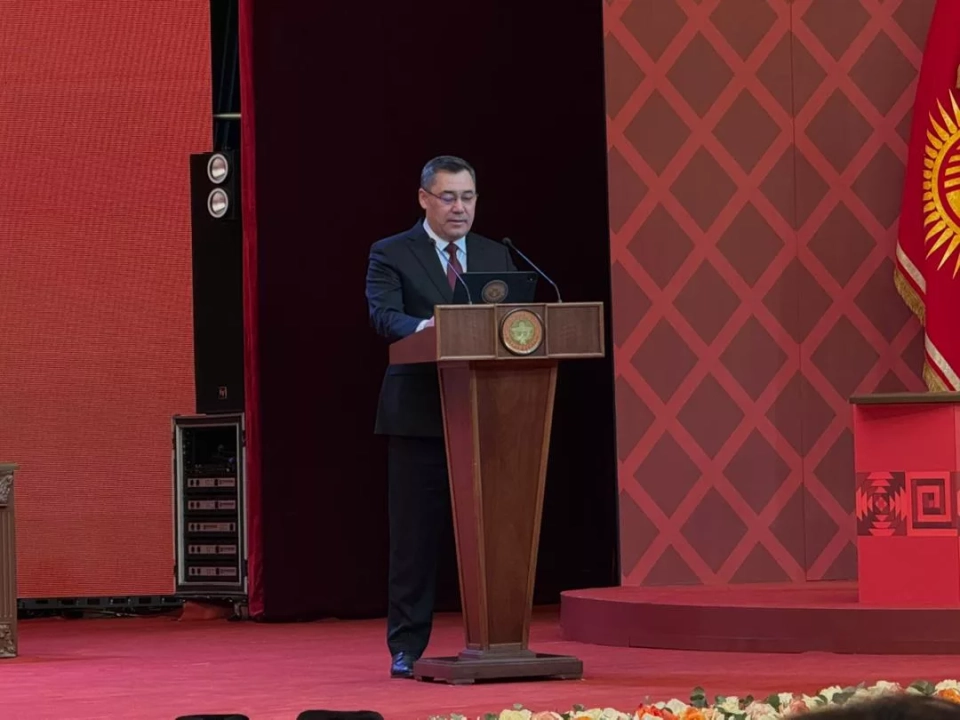
Sadyr Japarov assured that currently, the average salary of a doctor is 31,500 soms, and by April 1, it will reach 62,500 soms, with medical professionals receiving about 50,000 in hand.
Additionally, there is an acute issue of providing medical workers with housing. Five thousand employees are to be provided with mortgage apartments out of turn, but specific timelines have not yet been determined.
Rising Costs of Medical Services
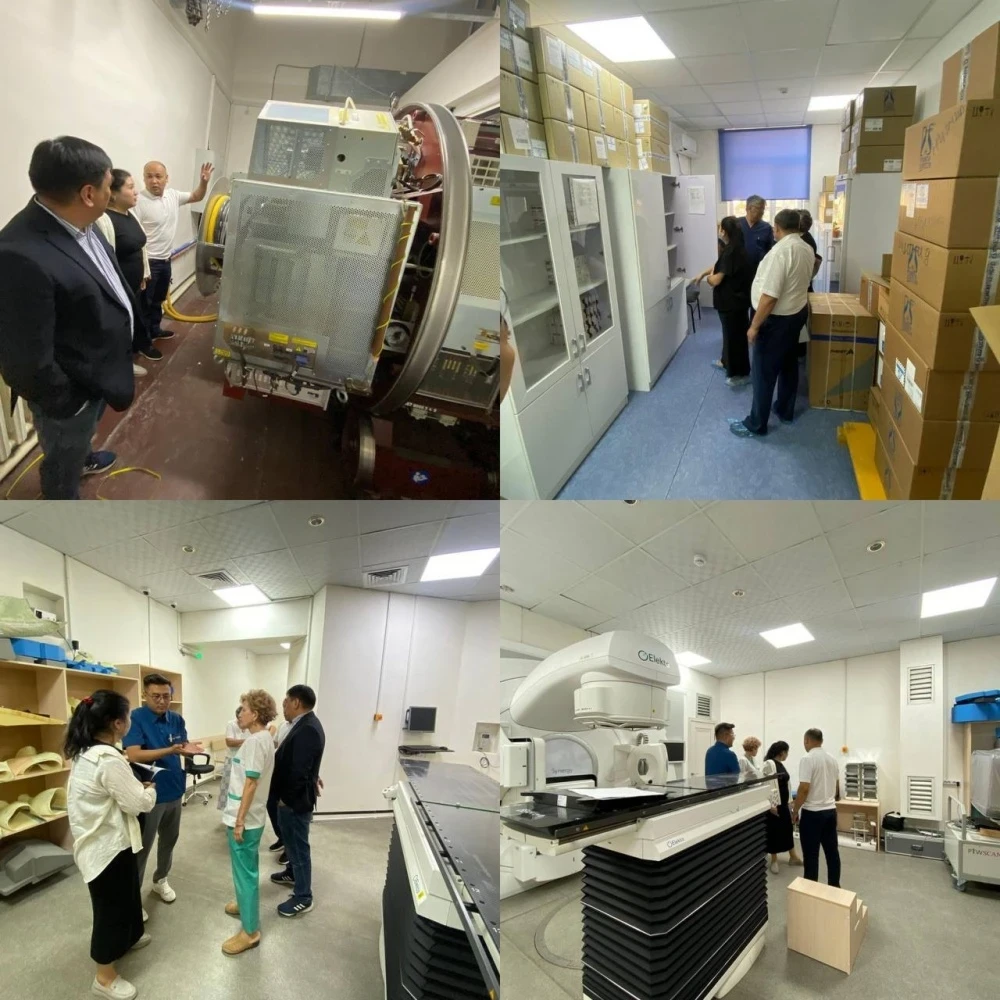
The infrastructure of state hospitals also leaves much to be desired: there is a lack of equipment, and technology often breaks down.To enhance the potential and competitiveness of state healthcare institutions, it was decided to grant autonomy, but so far only to 20 of them. This is expected to lead to an increase in the cost of paid medical services, although officials assure that the rates will be twice as cheap as private ones.
Moreover, the issue of creating a unified system of state medical laboratories is being raised again, which includes the construction of new facilities, equipping them with modern equipment, creating a regional network, and implementing digital platforms for working with medical institutions.
New hospitals are also promised: the project of a modern medical city, presented under former minister Erkin Chechebaev, is now supported by the new leadership of the Ministry of Health. Currently, patients sometimes have to be placed in the corridors of hospitals.