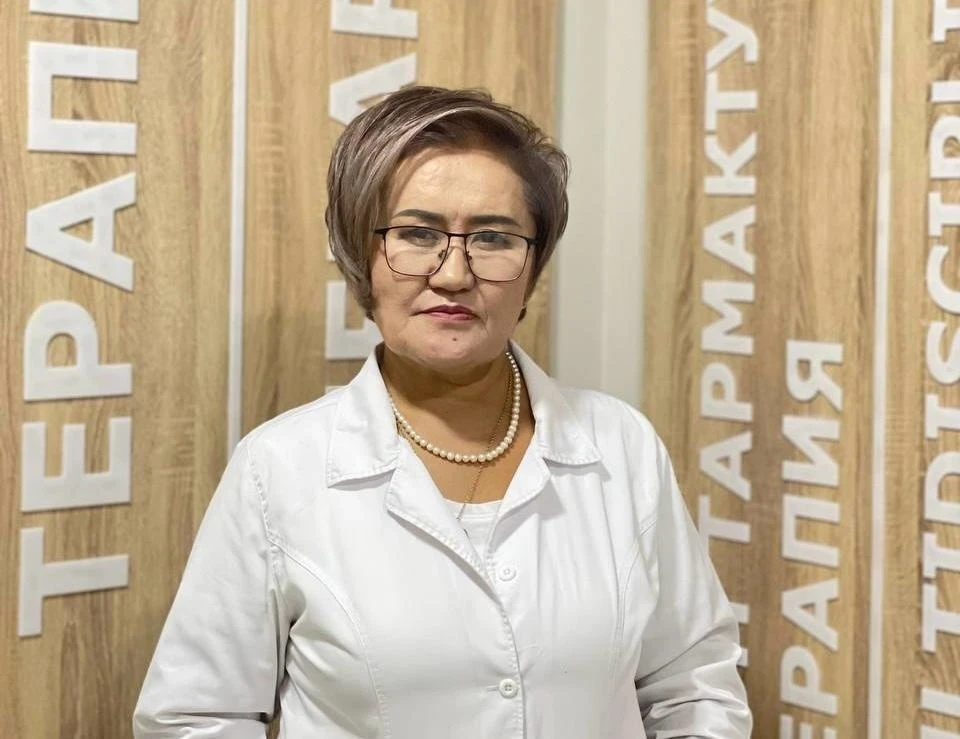
According to her, many expectant mothers avoid prenatal care and seek medical help only when the situation becomes critical.
"Registration by 12 weeks of pregnancy gives an 80% chance of successfully preventing maternal mortality," emphasized the specialist, highlighting the importance of pregnancy planning.
Among the reasons for late visits to doctors are low levels of awareness, social vulnerability, migration, and lack of family support.
Amiraeva also noted that women often ignore alarming symptoms such as severe headaches, swelling, lack of urination, and vomiting. "Vomiting more than ten times a day is a serious warning signal that should not be ignored. Such cases lead to serious consequences, and this year there have been recorded instances of maternal mortality related to severe vomiting when women did not seek help," she added.
Women with chronic diseases, such as cardiovascular and endocrine disorders, also constitute a risk group. Some of them, despite medical contraindications, decide to become pregnant and do not receive the necessary medical care.
"They come to us in a state of decompensation, when our ability to help is already limited," emphasized Amiraeva.According to the doctor, one of the main causes of maternal deaths remains severe preeclampsia, which can lead to massive postpartum hemorrhage—the most common complication of childbirth.
The specialist noted that with early detection of risks, the condition can be managed through monitoring, medication therapy, and following doctors' recommendations.
"Safe motherhood begins with pregnancy planning. Both partners should undergo examinations. This is a fundamental point," concluded the obstetrician-gynecologist.She urged women not to neglect preventive check-ups, prenatal screenings, and regular visits to the doctor.
The photograph on the main page is illustrative: stock.adobe.com.