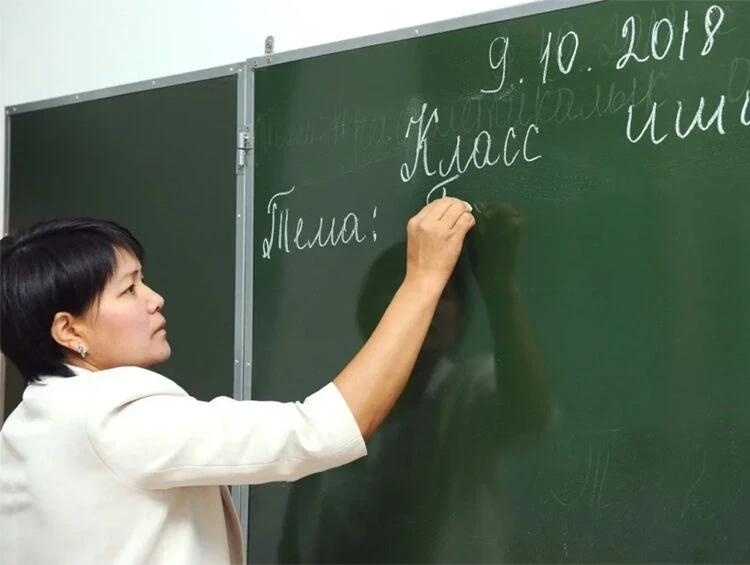
In the ministry, it was noted that the protection of teachers' rights is currently not being carried out effectively enough. There are problems with the lack of a unified approach to conflict resolution, and existing laws do not provide the necessary protection for educators. According to data collected from employees in the education sector and public organizations, more than 66% of teachers have faced bullying or violence from students and their families, leading to burnout and staff turnover. Schools, in turn, do not have adequate means to influence offenders.
Among other issues, conflicts between teachers and the administration of educational institutions stand out, which are often resolved without proper investigation and evidence collection, violating labor legislation.
The ministry also pointed out the problem of excessive bureaucracy. Teachers are forced to fill out up to 46 different reports for various institutions, including the healthcare system and local authorities. Many documents are duplicated and are unrelated to the educational process.
In order to reduce the burden on educators, the ministry has already canceled six types of reporting, transferred 80% of paperwork to electronic format, reduced written reports to nine, and identified 31 forms for digitization. The Ministry of Education emphasizes that these measures have freed up time for working with students; however, it is necessary to legally establish restrictions on requests for unnecessary documents.
There are also reports of unlawful inspections and demands from various authorities, as well as teachers being assigned duties unrelated to their work, such as collecting money, purchasing supplies, and performing maintenance tasks. All of this, according to the ministry, damages the image of the profession and creates risks of corruption.
The draft law provides for liability for:
- assigning teachers to tasks unrelated to their professional activities;
- requesting information and reporting not provided for by law;
- conducting illegal inspections;
- imposing obligations for the procurement of goods and services;
- involving teachers in external events during their main work hours.
***
It is worth reminding that in 2023, the Jogorku Kenesh already discussed a draft law concerning penalties for insulting teachers and showing disrespect from students. Initially, it was planned to fine parents or guardians up to 2,000 soms, and for repeated violations — up to 5,000 soms or arrest for up to five days. However, after negative reactions from parents, it was decided to limit the measures to warnings.