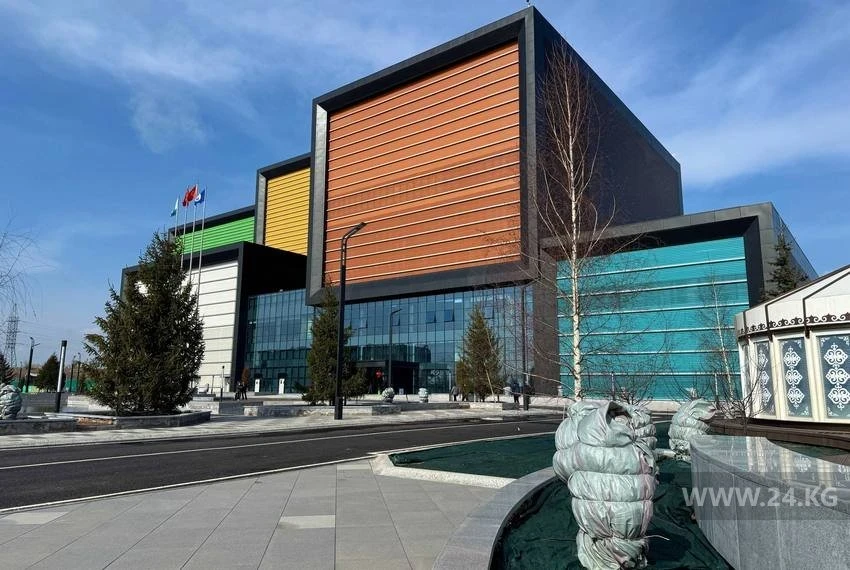
Photo 24.kg. Waste processing plant
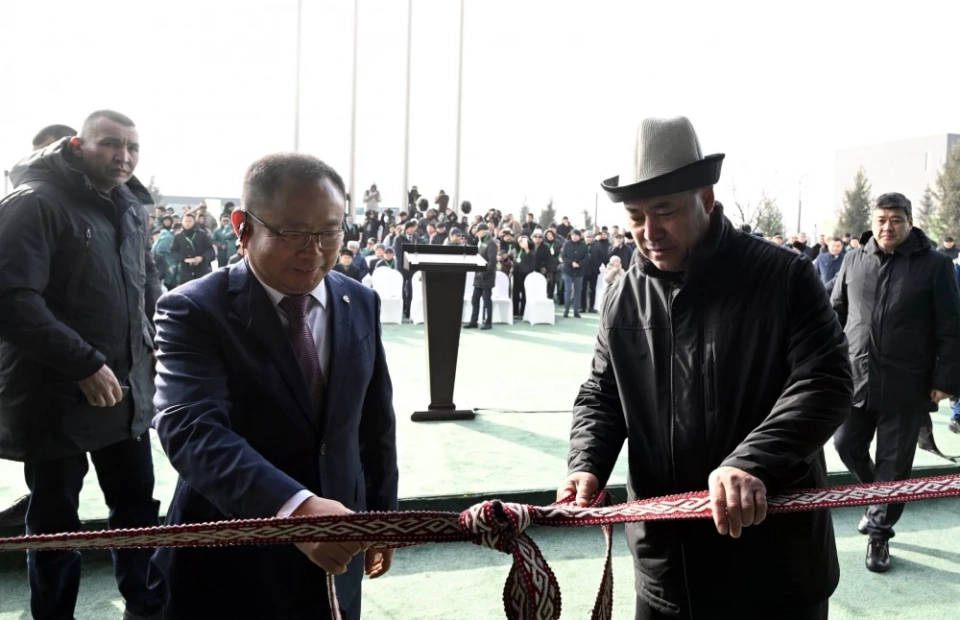
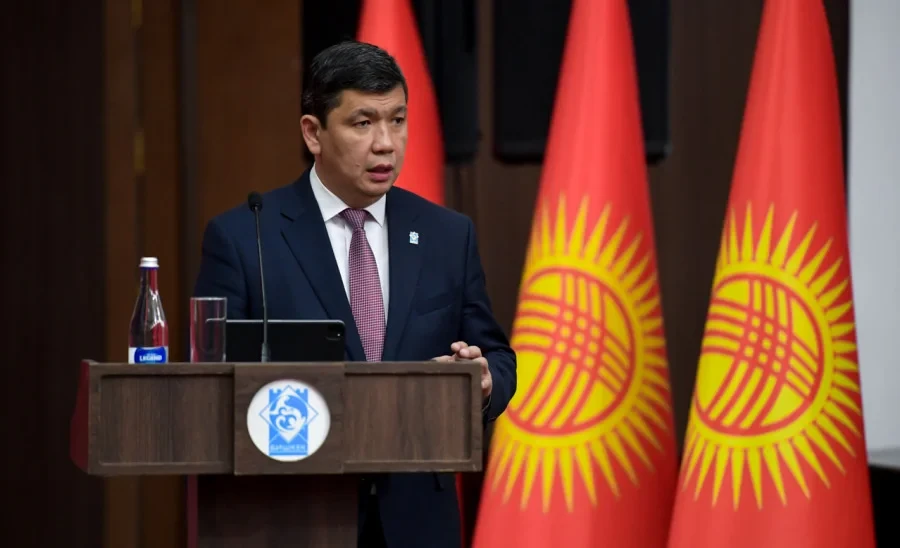
The mayor noted that the choice of location for the meeting was not accidental — participants were able to visually familiarize themselves with the operation of the waste processing plant.
According to Junushaliev, this plant is capable of processing 1,200 tons of waste per day and producing up to 30 megawatts of electricity. Currently, it consistently generates 27–29 megawatts, which is particularly relevant given the energy shortage in the capital.
The total investment in the project amounted to 98 million dollars.
As the mayor emphasized, strict environmental standards are adhered to during the plant's operation, both from the European Union and China, with the latter being more stringent.
Currently, the enterprise employs 80 Chinese and 34 local specialists. The training of Kyrgyz specialists was conducted at the I. Razakov Kyrgyz State Technical University, which created conditions for the further employment of local specialists.

During the meeting, the mayor also summarized previous meetings of the Ecological Council, noting that one of the tasks was to improve the greening of the city. Plans to plant 15,000 trees were successfully exceeded, and now the capital has 18,000 new trees planted at the request of residents in the territories of educational institutions and public places.
In 2026, the planting of 50,000 trees is planned. The seedlings will be grown in nurseries, after which they will be transferred to the city.
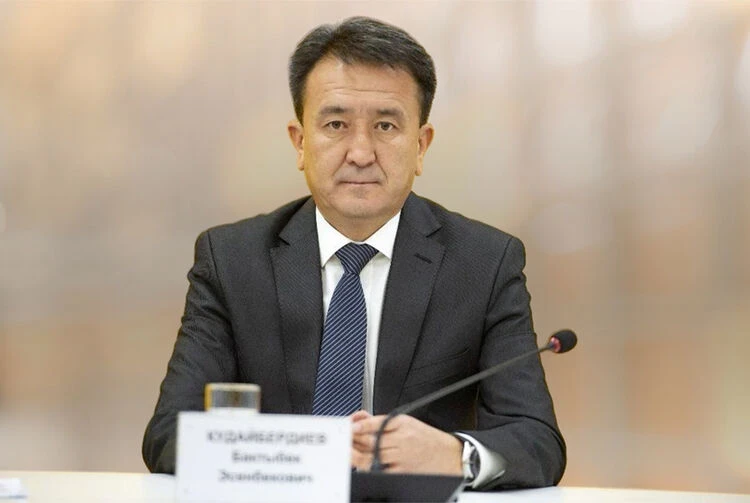
Aibek Junushaliev
The public hearings focused on improving air quality in Bishkek and further steps to develop the city's ecological infrastructure.