She noted that the incident has sparked a discussion about a "medical tragedy" that has garnered significant public attention. Baryktabasova emphasized that if the treatment outcome is negative, it should not always be interpreted as the fault of the doctor, as such a viewpoint may not reflect reality.
According to her, medicine operates on probabilities and does not provide absolute guarantees of results. Even with the correct treatment choice, the outcome can be unpredictable.
The union leader highlighted three key elements that influence treatment outcomes: the qualifications of the doctor, the available resources of the healthcare system, and the biology of the specific disease. Issues in any of these aspects can lead to serious consequences.
Baryktabasova also added that even highly qualified medical professionals may encounter circumstances where they do not have time to make necessary decisions or implement the best treatment option, despite their best efforts.
She listed numerous factors affecting the situation:
- The lack of clear national clinical standards for rare or complex diseases, leading to decision-making under uncertainty.
- The need for emergency angiography for many vascular catastrophes, which is not always available.
- A shortage of specialists, such as pediatric nephrologists and vascular surgeons, including in Kyrgyzstan.
- Complex cases require multiple consultations with specialists, where time plays a critical role.
- Family refusal of surgery or doubts about the doctor's actions can lead to time loss, which can sometimes be irreversible.
- Some vascular complications can develop covertly and rapidly, complicating diagnosis.
- Atypical disease courses, such as hypercoagulable states and thrombophilias, can progress faster than standard algorithms suggest.
- The need for equipment and specialists, which often proves to be a problem in real conditions.
- The biological unpredictability of the patient, which cannot be fully controlled.
In her opinion, the main goal should not be to identify the "guilty doctor," but to improve the healthcare system so that in the future, doctors are provided with more tools, time, and opportunities to combat diseases.
It is worth noting that on February 18, a nephrologist, candidate of medical sciences Nasira Beishebayeva, was detained in Bishkek. According to the Bishkek Department of Internal Affairs, the mother of a patient who was undergoing treatment in 2024 filed a complaint about a possible medical error. As a result of the actions of the nephrologist, a minor K.A. underwent amputation of her right leg.
A criminal case has been initiated under part 2 of Article 146 "Improper performance of professional duties by a medical or pharmaceutical worker, resulting in serious harm through negligence" of the Criminal Code of the Kyrgyz Republic.
Based on forensic medical examinations, charges were brought against her, and she was detained and placed in the temporary detention facility of the Bishkek Department of Internal Affairs.
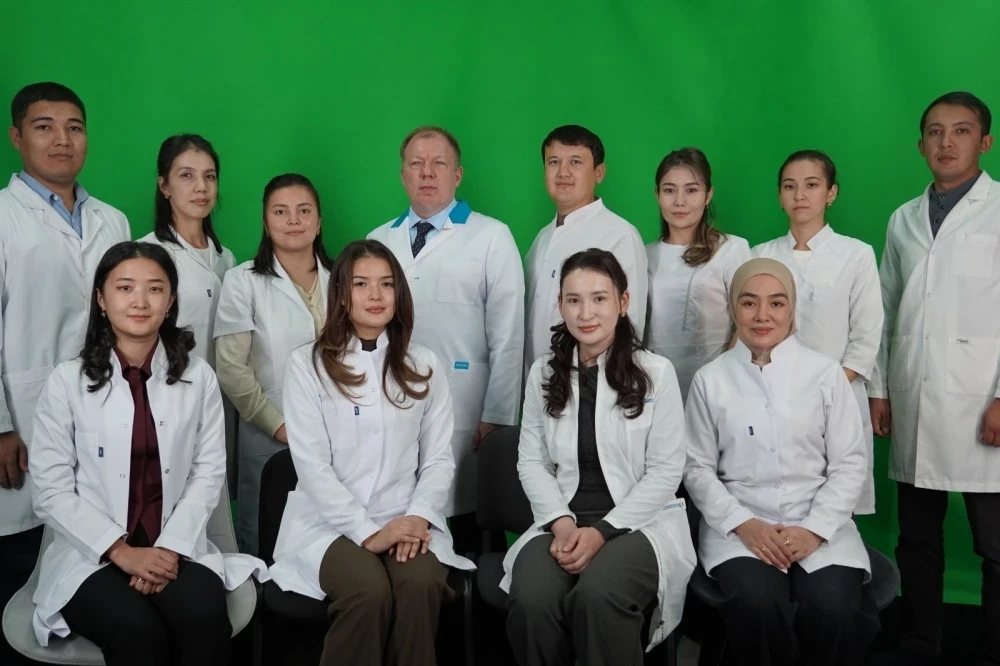
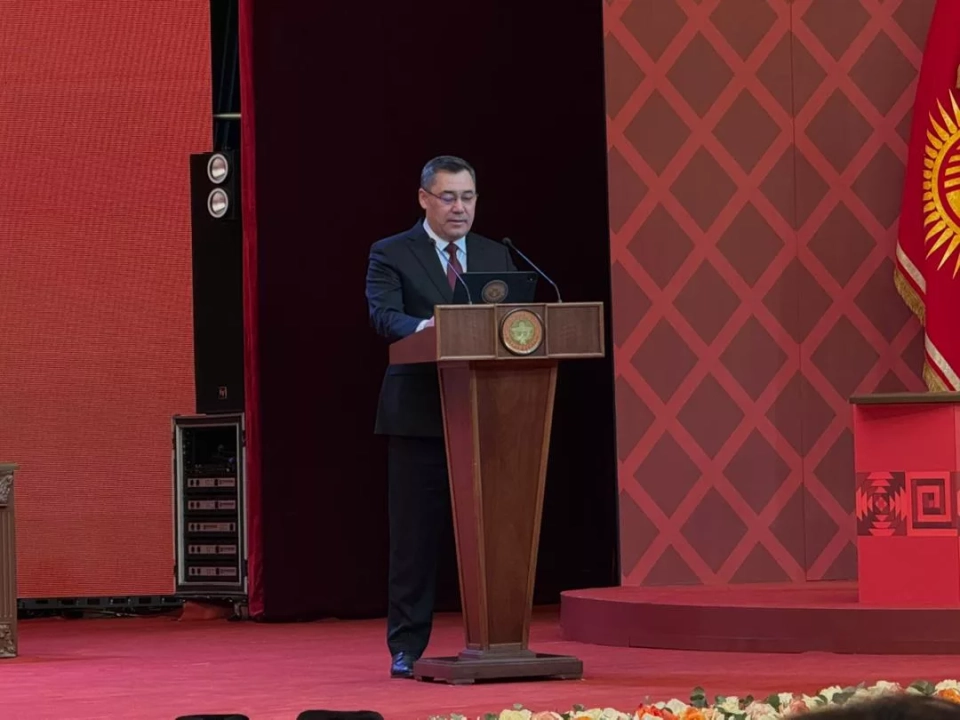
The staff of the National Center for Evidence-Based Medicine (NCEM) has, in turn, appealed to the President of Kyrgyzstan, Sadyr Japarov, requesting an objective investigation. Medical professionals are also asking for a preventive measure for Beishebayeva that is not related to arrest.