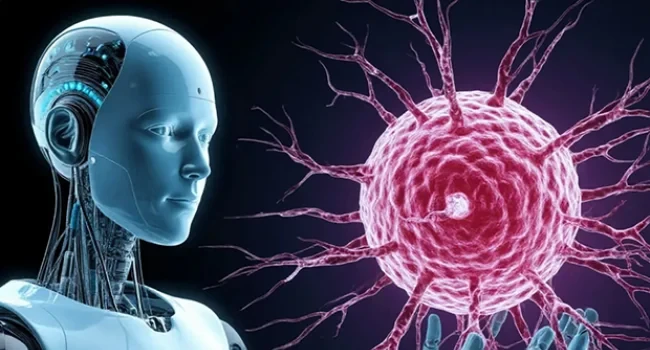
According to the UN News Service, by 2028, creators of creative content may face a loss of up to 25% of their income due to the development of artificial intelligence (AI).
UNESCO has published a new global report examining significant changes in the cultural sector caused by digital transformation and the influence of AI. The study covers over 120 countries and emphasizes that without reforming cultural policy, inequality among content creators will only deepen.
Despite the fact that cultural and creative industries are becoming important drivers of economic growth and sustainable development, their supporting infrastructure remains vulnerable. According to the report, 85% of countries integrate culture into their national development strategies, but only 56% of them set clear goals in this area, indicating a discrepancy between promises and actual actions.
In 2023, the volume of global trade in cultural goods doubled to $254 billion, with a significant portion of exports coming from developing countries. However, their share in the cultural services market is only about 20%, indicating growing inequality in the context of digitalization.
Unfortunately, government funding for culture remains extremely low—less than 0.6% of global GDP—and continues to decline. Additional difficulties arise from mobility restrictions for creative professionals: developed countries facilitate the departure of their artists 96% of the time, but only 38% ease entry for cultural representatives from developing states.
The report also points to significant structural changes caused by digitalization. The share of income from digital sources for creators has increased from 17% in 2018 to 35% today; however, this has also heightened income instability and risks of copyright infringement.
The most serious forecasts concern the impact of generative AI: it is estimated that by 2028, musicians may lose up to 24% of their income, while producers of audiovisual content may lose up to 21%.
There are significant disparities in digital skills: 67% of the population in developed countries possess basic skills, while among residents of developing countries, this figure is only 28%.
UNESCO also notes a rise in threats to creative freedom. Only 61% of countries have independent mechanisms to monitor violations in this area. Political instability, conflicts, and forced displacement create additional risks for cultural workers, while digital surveillance and algorithmic bias present new challenges.