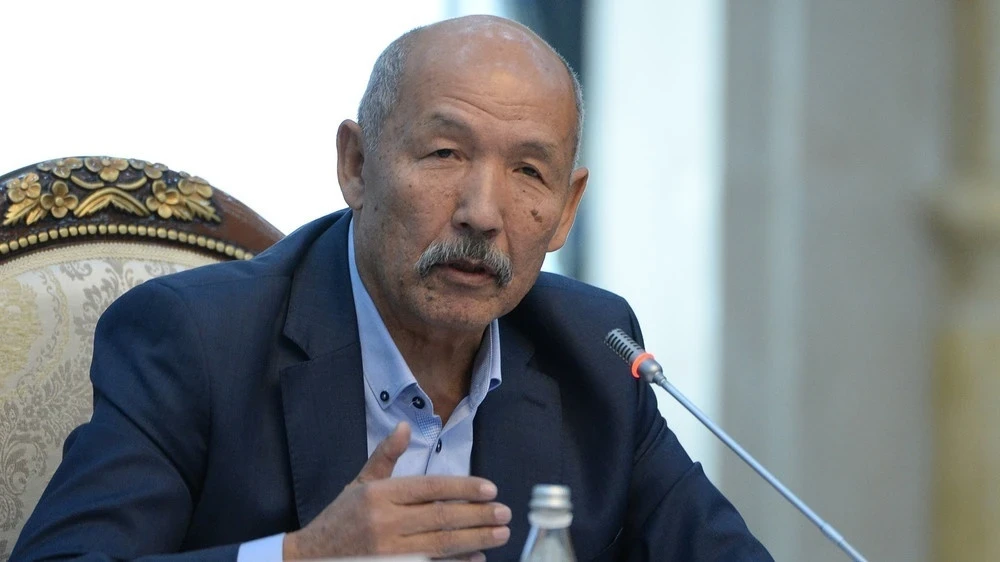
The new reforms being implemented in the structure of the State National Security Committee (GKNB) are aimed at creating a more mobile, professional, and transparent organization capable of adequately responding to national security challenges in the context of a changing international environment. This was stated by Jumgalbek Shabdanbekov, who heads the security services, in his interview with local media.
According to him, the reforms are being implemented in stages, taking into account current legislation and the priorities of state policy in the field of security. As part of the structural changes, divisions dealing with state protection and border services have been excluded from the GKNB.
Regarding organizational changes, Shabdanbekov noted that they include optimizing the number of employees, redistributing functions, and strengthening analytical work, as well as developing human resources. Important aspects also include discipline, employee responsibility, and moral and spiritual training, along with the introduction of modern management methods," he added.
The reforms will be based on classical and traditional methods of analytical and operational work.
Shabdanbekov emphasizes the need for the depoliticization of the GKNB, which implies freeing the structure from the influence of political parties and opportunistic interests. "The State Committee should not function as a political tool," he stated.
He also pointed out the importance of professionalizing the structure, where appointments to leadership positions should prioritize professional qualities over political loyalty.
To enhance the effectiveness of the GKNB, it will actively combat any manifestations of tribalism and regionalism, basing appointments and promotions on professional qualities.
Jumgalbek Shabdanbekov
"If this is not done, conditions will arise in the law enforcement agencies for the persecution of dissenters, which will lead to an increase in corruption, with which the GKNB is already fighting today. This could also paralyze operational activities and negatively impact the reputation of security agencies. The system is transitioning from a territorial approach to a competency-based one, which is a step towards a more mature political model of the state," he added.
In conclusion, the head of the GKNB noted that "a quality reform implies a transition of the agency to lawful methods—from outdated forceful approaches to legal and civil methods of ensuring state security. It is time to leave behind the ideology of intimidation and create a modern national service that meets the current demands of the time."