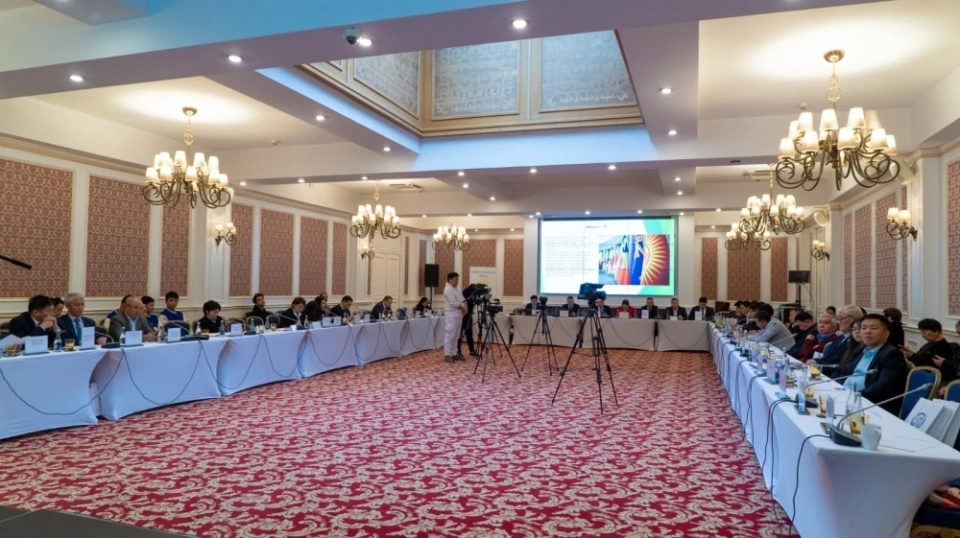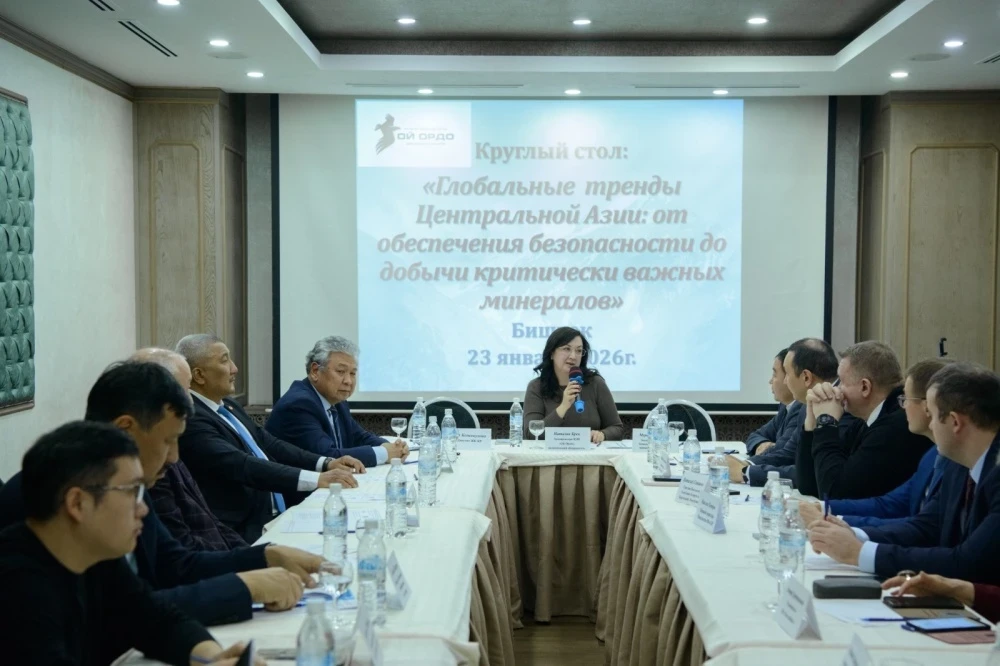
At a round table organized by the Economic Research Center "Oiy Ordo" in collaboration with the Council for Sustainable Development during Climate Change, participants discussed the economic prospects of Central Asia in the context of growing geopolitical instability and international competition for resources such as uranium and thorium.
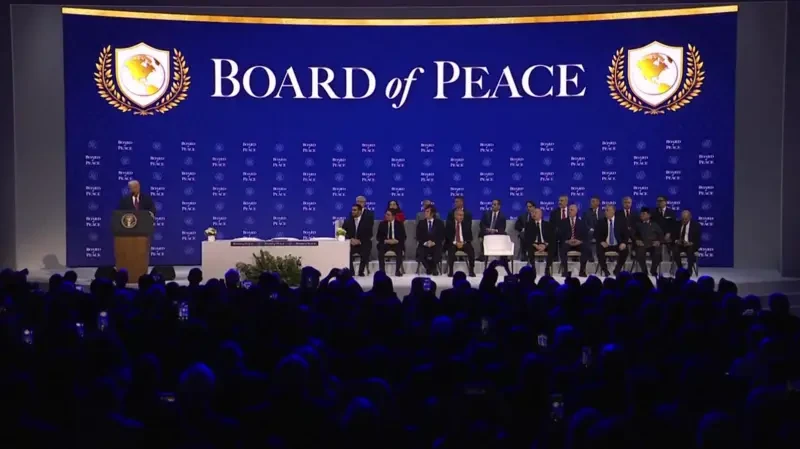
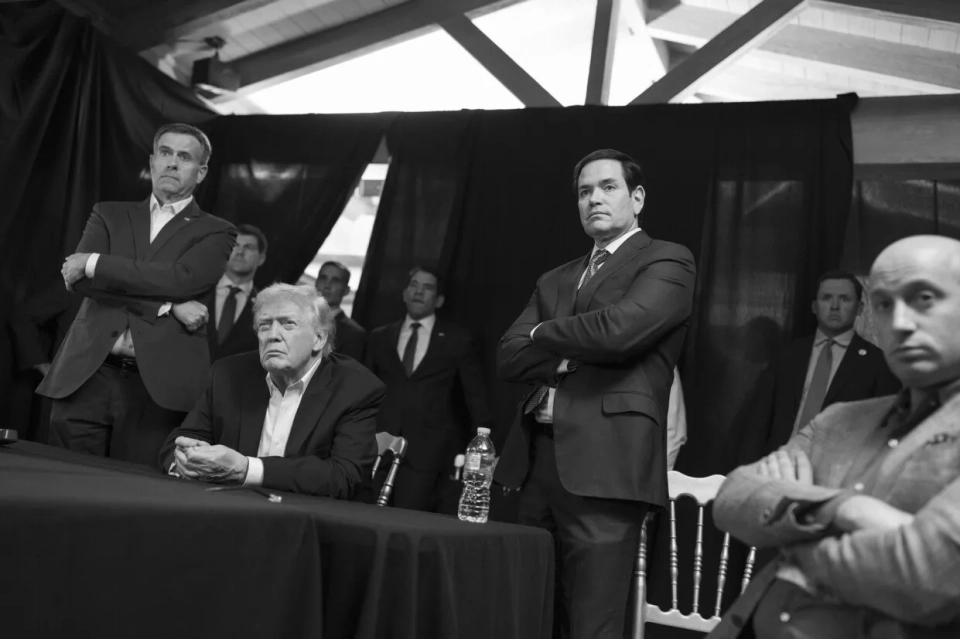
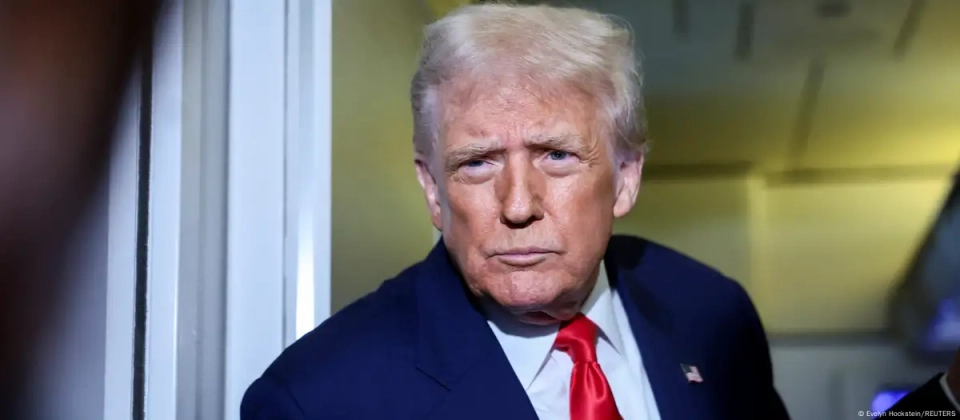
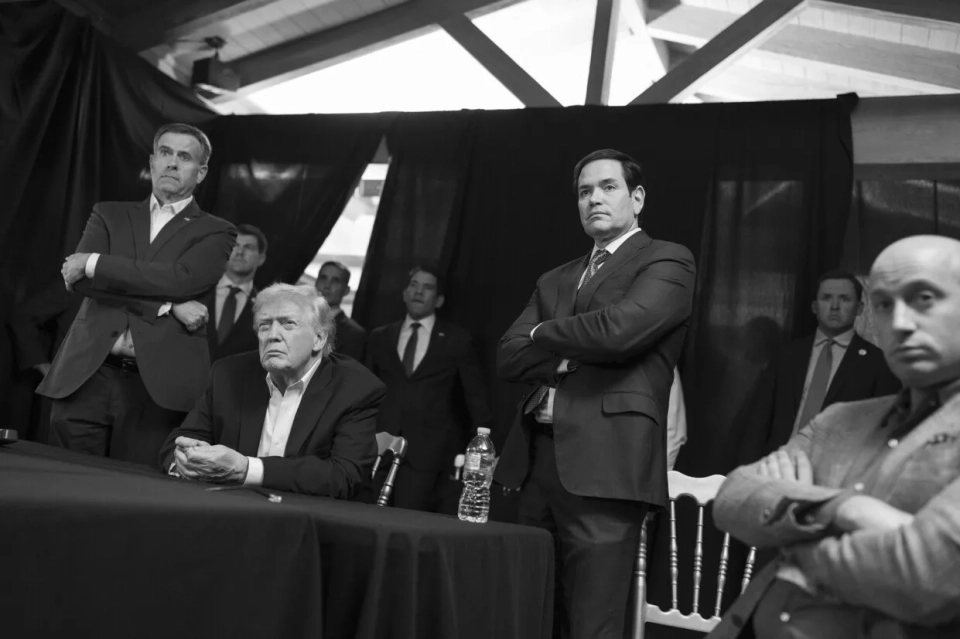
Deputy Director of the Economic Research Center "Oiy Ordo" Natalia Krek noted that the current year has witnessed unexpected geopolitical events, including the crisis in Venezuela and actions taken by the European Union in response to statements by Donald Trump. These factors indicate that the world is entering a period of active competition for resources, which will inevitably affect Central Asia, rich in strategically important minerals.
She also presented excerpts from a report by S&P Global Platts, which was prepared in November 2025. According to this document, the USA intends to continue funding exploration and mining of minerals in Central Asia; however, American companies will find it challenging to establish long-term partnerships due to logistical obstacles and the influence of Russia and China on the region's transport infrastructure.
Furthermore, the implementation of many mining projects announced in Washington will require significant time, and their success will depend on stable foreign funding and reliable energy supply, which, in turn, is complicated by a lack of investment and a high level of corruption.
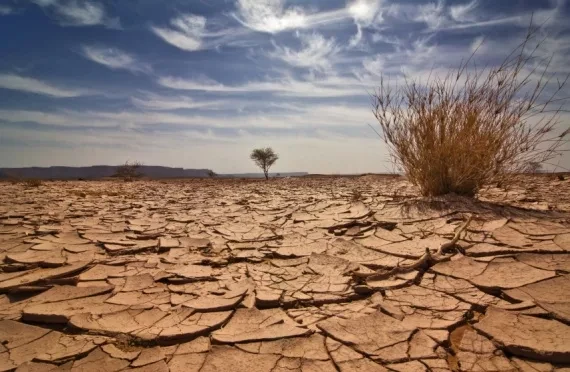
The extraction of critical raw materials (CRM) requires substantial energy costs, and the chronic shortage of electricity, especially in the southern part of the region, will be exacerbated by climate change and reduced river flow. This will also lead to decreased capacity of ports in the Caspian Sea, necessitating expensive reconstruction.
Analysts believe that these limitations are aggravated by the trend towards autocracy in Central Asia, which may lead to external economic crises and social unrest. Experts suggest that the end of the conflict in Ukraine will allow Russia to engage more actively in the region's economic projects and weaken the positions of the USA.
One of Washington's strategies is to stimulate competition between Kazakhstan and Uzbekistan, which may slow down the creation of a unified economic bloc in Central Asia. It is important for the countries in the region to approach investment cooperation consciously while preserving their resource sovereignty.
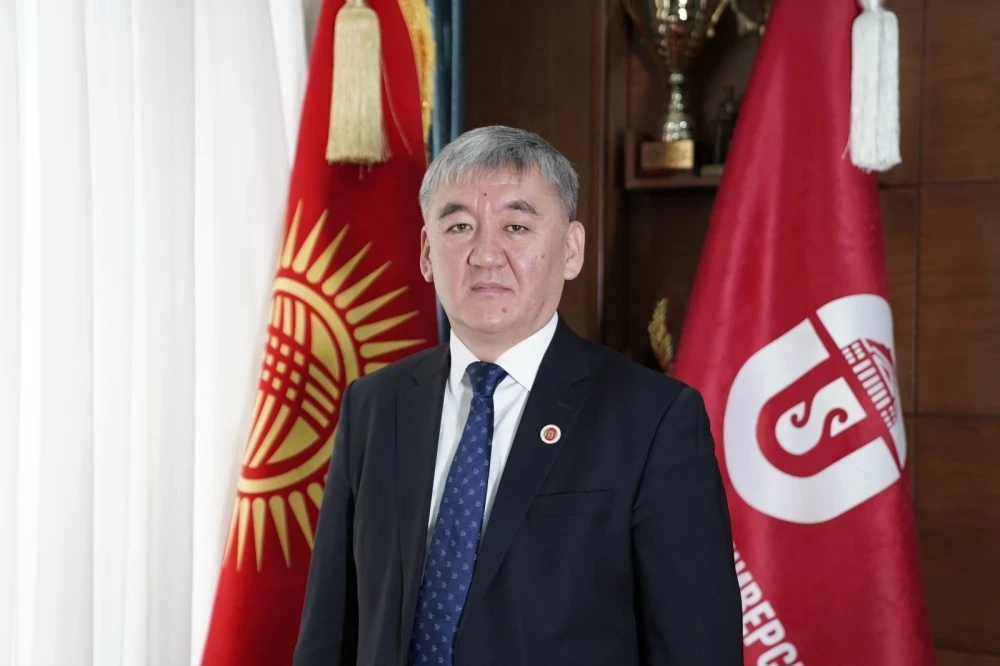
Former Deputy Foreign Minister of Kyrgyzstan Avazbek Atakhanov emphasized that the issue of critical mineral resources is not new; however, in the context of scientific and technological progress and a focus on green technologies, it has become more relevant. He noted that Kazakhstan is a world leader in uranium production and urged Kyrgyzstan to pay attention to the development of its resources, such as thorium.
Chairman of the Association of Geologists and Miners of Kyrgyzstan Duyshenbek Kamchibekov added that the country has all the necessary resources, but many of them are at the stage of forecast assessments. He emphasized the need for a systematic approach to the development of the mining sector and a review of legislation in this area.
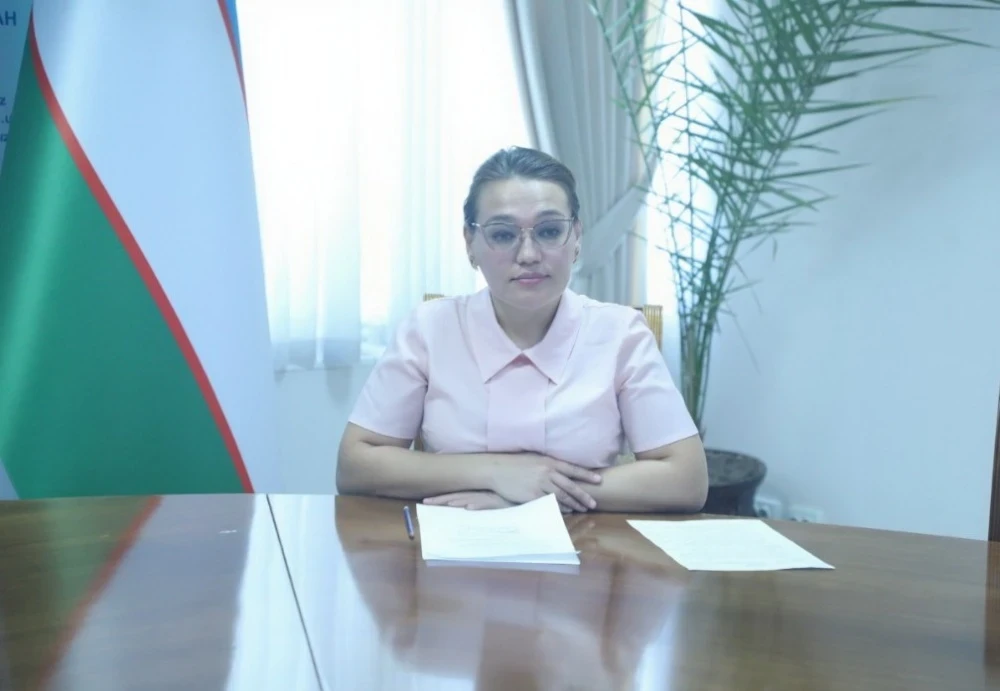
Deputy Gulya Kozhokulova noted that CRMs are a key element of the international agenda, and the security of countries is directly linked to their resources. She called for the creation of a strategic program that would consider national interests and attract investors.
Kozhokulova also highlighted the importance of training local specialists for work in the mining industry, noting that many investment projects do not take into account the need for workforce training. She called for deeper environmental oversight and legally justified the need to improve the legislative framework for the effective development of the sector.
In conclusion, the deputy proposed to hold an off-site meeting of the industry committee with the participation of experts to discuss pressing issues in the mining sector. This will help deputies better understand the problems and find solutions together with professionals.