Photo of the Bishkek City Hall
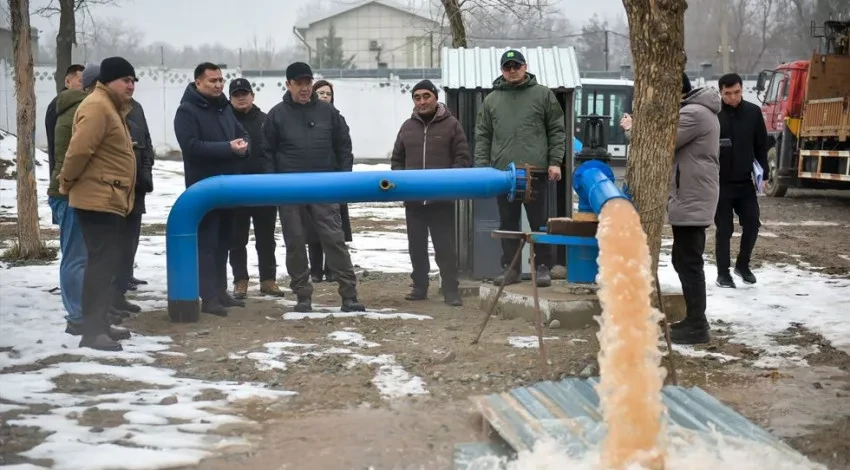
In response, the city hall began active work on the restoration and cleaning of storage reservoirs. "This year we increased the number of such basins from eight to eleven, and another one is under construction," noted Junushaliev.
He explained that the storage basins are designed to collect water and naturally filter it through the soil, which helps replenish groundwater. This, in turn, increases the water reserves at the Orto-Alysh site, which supplies a large part of the capital.
Previously, the water deficit was felt from April to June, when the irrigation season began and the load on water resources increased. During this time, there was competition for water between the city and agriculture.
Now it is already March, and water is available. We started filling the reservoirs in advance before the start of agricultural work, which allows us to provide the city with the necessary resources.
Aibek Junushaliev
According to the mayor, the "Orto-Alysh" water intake meets about 40% of Bishkek's drinking water needs, highlighting the importance of maintaining infrastructure and storage basins for stable water supply in the capital.
Junushaliev also urged residents to treat water resources responsibly and use them sparingly, noting that providing the city with water requires significant effort and constant work from public services.