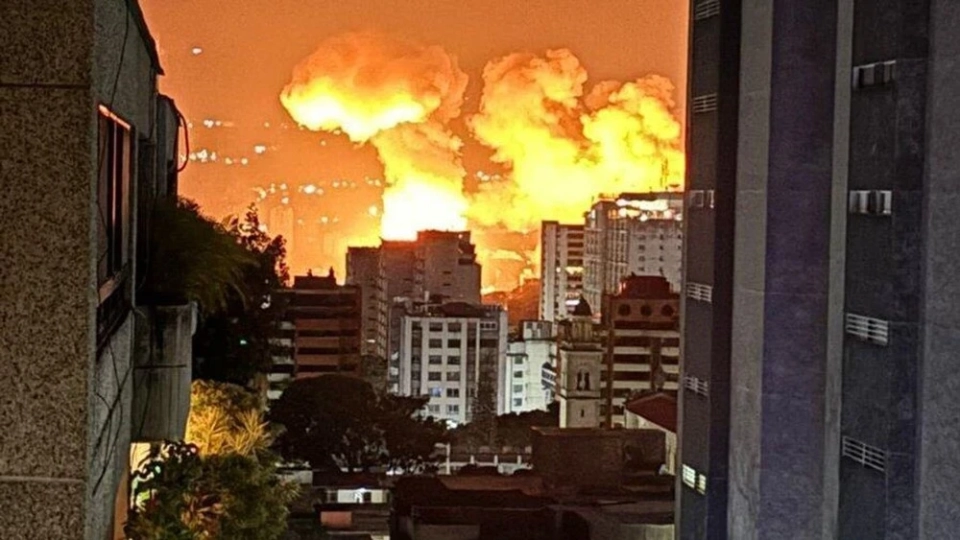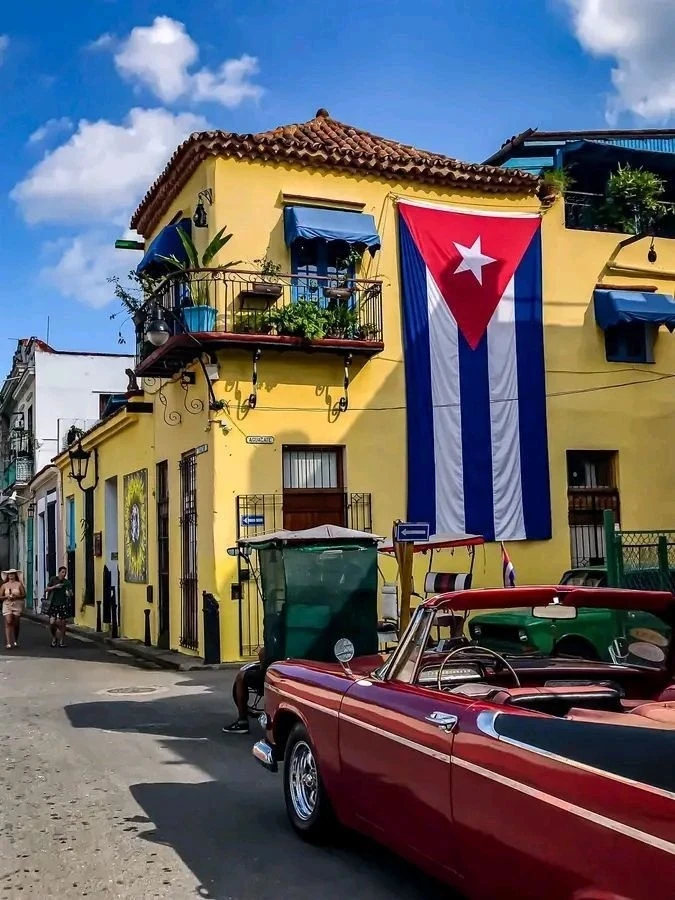
Against the backdrop of ongoing difficulties in Venezuela, the attention of the United States is once again turning to Cuba. This island, known as the Island of Freedom, has resisted Washington's influence for over fifty years, but is currently facing serious economic and political challenges. The publication vz.ru raises the question of whether Cuba will be able to overcome these hardships.
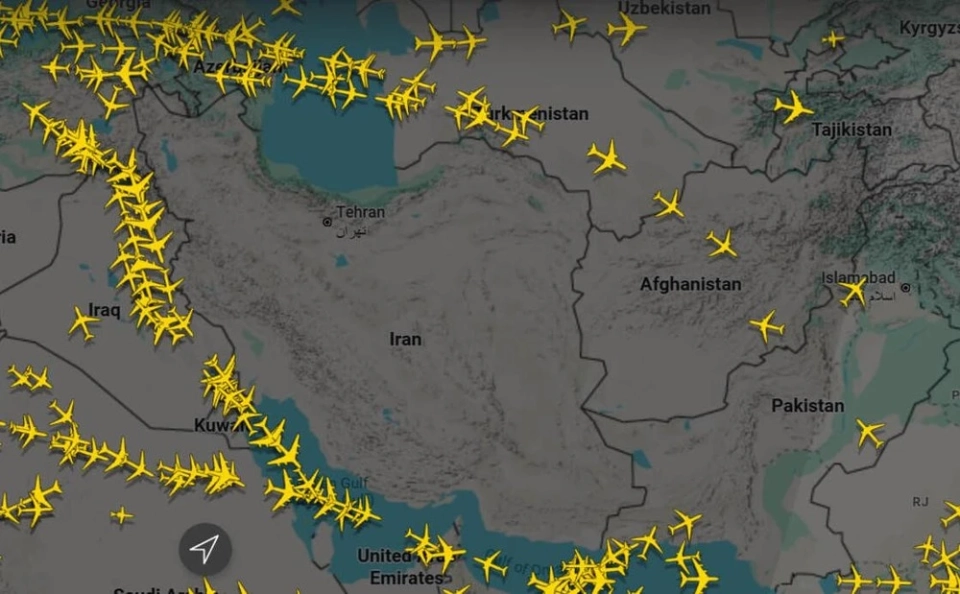
Speculation is growing among politicians and analysts about which country will be the next victim of Donald Trump's ambitions. Some suggest it will be Iran, engulfed in internal protests, while others point to Mexico, where drug cartels allegedly threaten U.S. security. However, many experts are focused on Cuba, which is in close proximity to Florida and governed by a socialist government.
Andrei Pyatakov, a leading researcher at the Institute of Latin America of the Russian Academy of Sciences, emphasizes Cuba's strategic importance in the Caribbean region: "It is located at the crossroads of major trade routes and represents a sort of unsinkable aircraft carrier." The deployment of Chinese military forces on the island would also pose a serious threat to U.S. security, similar to the case with Soviet missiles in the past.
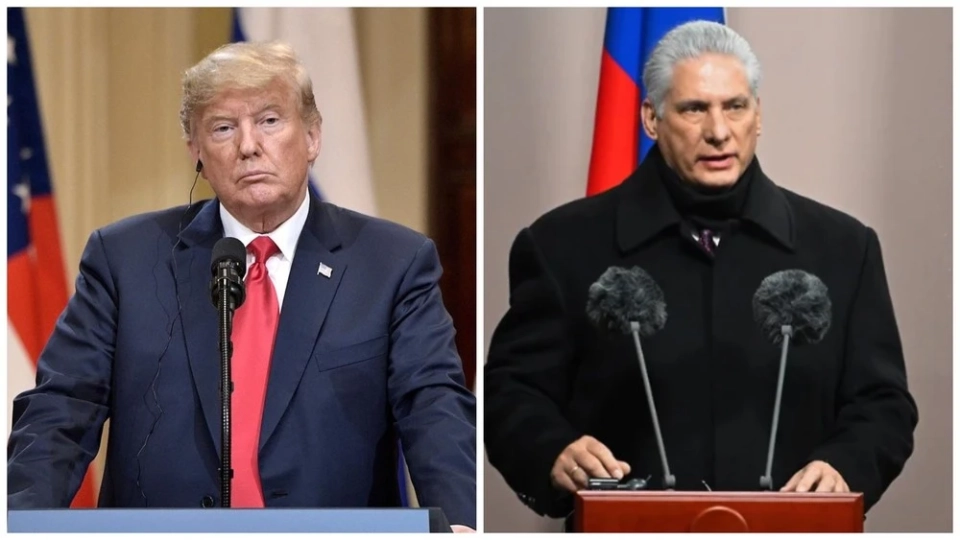
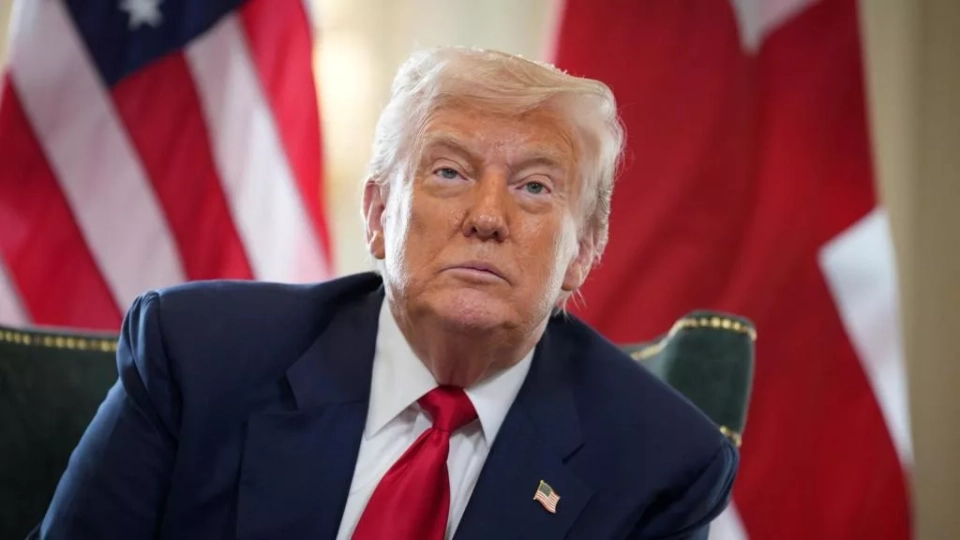
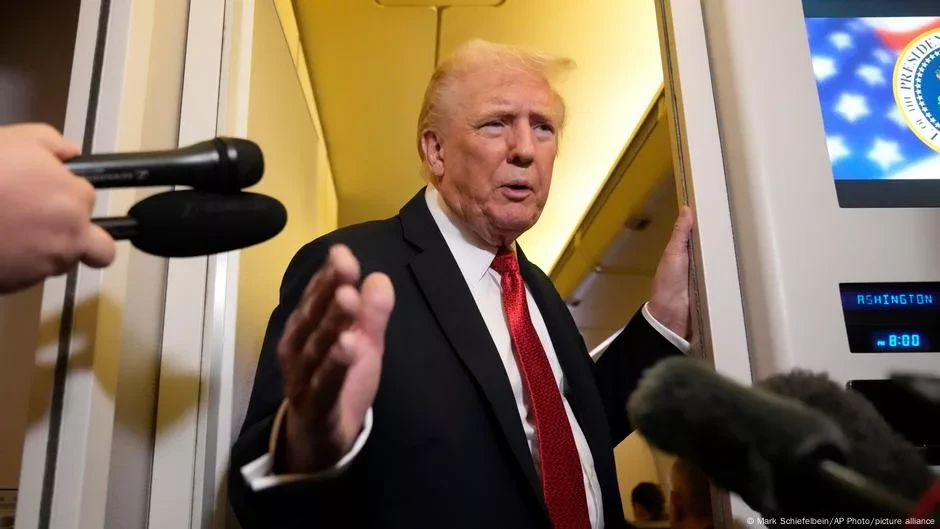
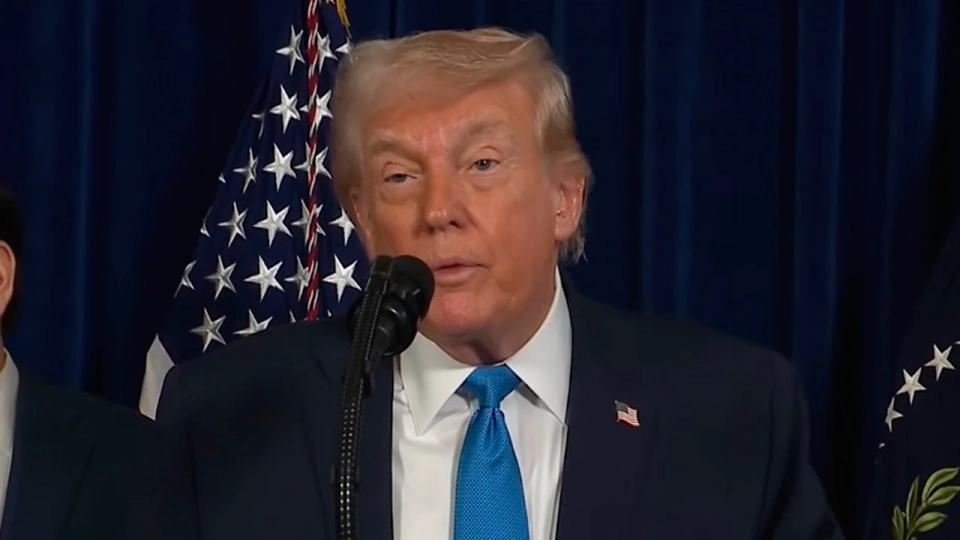
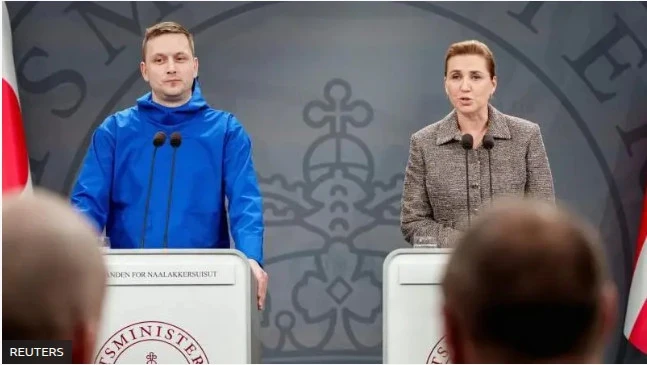
Trump urges the Cuban leadership to "make a deal before it's too late," expecting them to agree to follow U.S. interests. However, Cuban President Miguel Díaz-Canel responds: "This is not your 'backyard,' and we do not recognize the Monroe Doctrine."
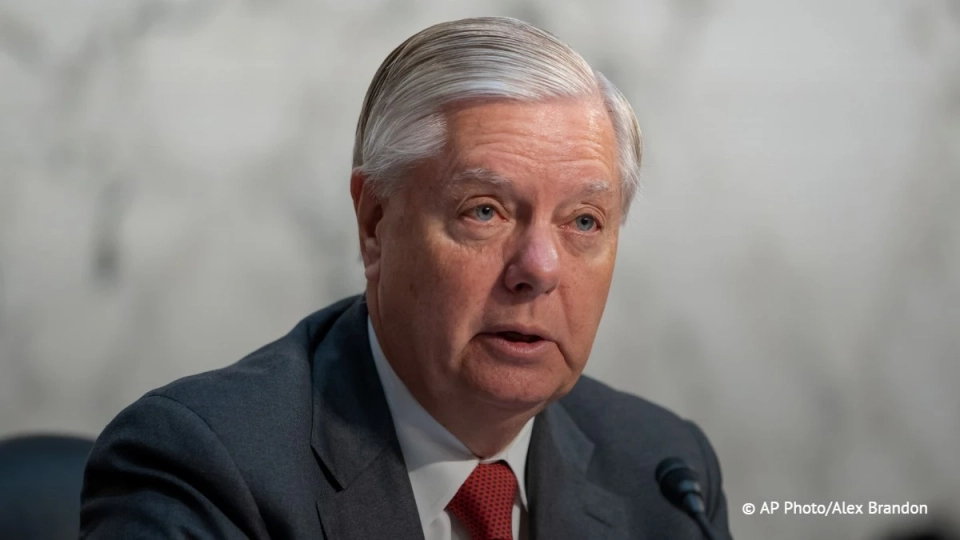
In Washington, statements are being made that the days of the Cuban government led by Díaz-Canel are numbered. Senator Lindsey Graham advises Cuban communists to seek advice from Maduro, while Ted Cruz, the son of Cuban emigrants, is confident that Cubans will soon celebrate liberation from the communist regime.
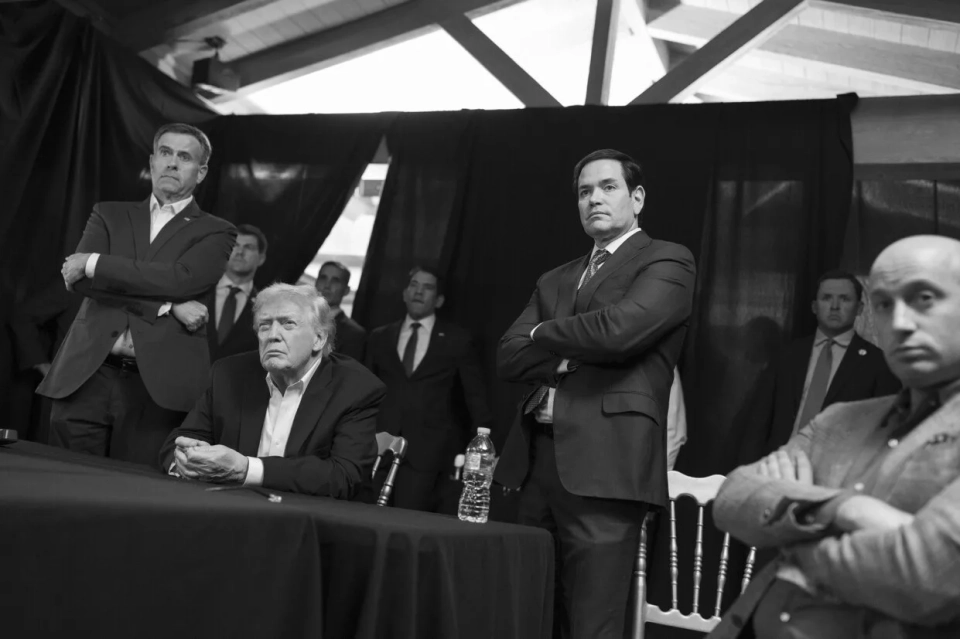
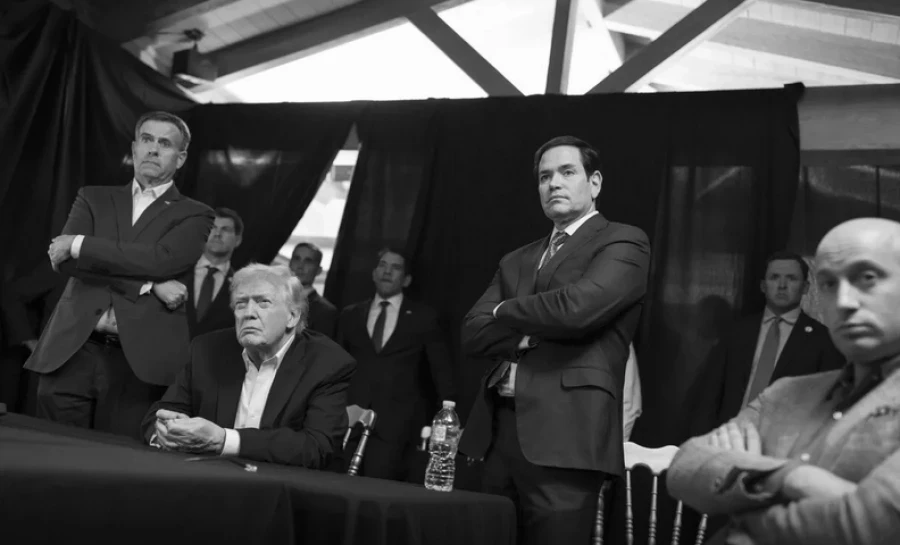
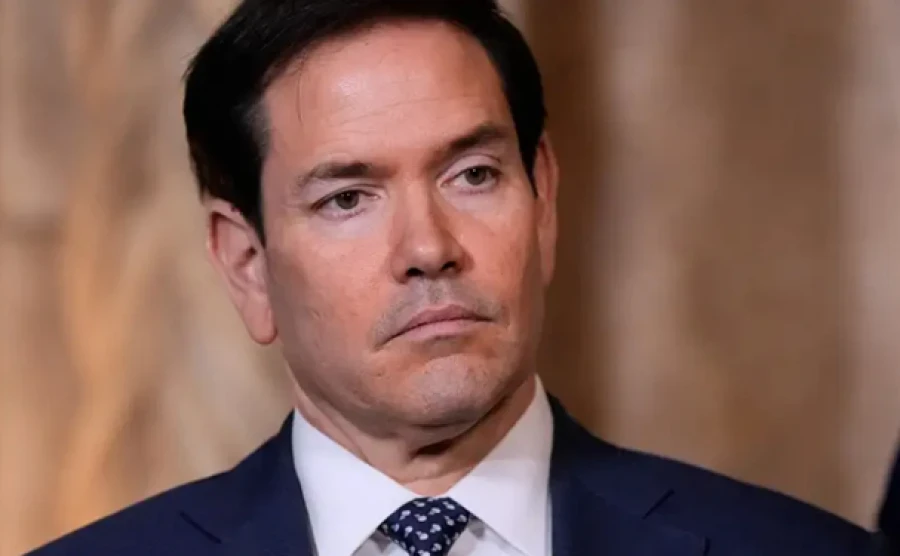
Trump also suggests appointing Secretary of State Marco Rubio as the president of Cuba, highlighting his ambitions regarding the island. Rubio, who grew up in an immigrant family, dreamed of overthrowing Castro and becoming the leader of a free Cuba in his childhood.
Nevertheless, Trump makes it clear that he does not plan military intervention. The reasons are simple: it could lead to high casualties and internal political problems, as well as damage the image of the U.S. in the region following the failed "Bay of Pigs" operation in 1961.
According to Trump, Cuba will "fall on its own." His assumptions are based on economic indicators: Cuba's GDP has shrunk by 15% over the past six years, and the situation continues to deteriorate. Pyatakov notes that Cuba is experiencing a kind of "second Special Period," reminiscent of the difficult 90s when the island lost Soviet support, and now faces the loss of Venezuelan aid.
Venezuela previously supplied Cuba with 25 to 35 thousand barrels of oil per day, accounting for about 50% of its needs. Now, under U.S. sanctions, this support is coming to an end. Trump states: "Cuba has lived off Venezuelan oil and finances, but that will no longer be the case."
Although theoretically oil can be replaced with paid alternatives, the situation is exacerbated: Mexico's role is increasing, but Trump may pressure Latin American countries to stop supplies and also impose a naval blockade.
Cuba is facing a severe electricity shortage, which is already leading to power outages, and 20% of the population suffers from a lack of drinking water. The pandemic has also negatively impacted the tourism sector: before COVID-19, Cuba welcomed up to 4 million tourists a year, and now this figure has only recovered by 50%.
Social issues are worsening: the number of doctors in Cuba has decreased by 29%, and infant mortality has doubled in recent years. According to Senator Rick Scott, people in the country are experiencing serious hardships, creating opportunities for the democratization of Cuba.
However, some experts argue that rumors of Cuba's imminent collapse are exaggerated. There is no significant internal opposition on the island, although activists are trying to make their voices heard. José Daniel Ferrer, who was imprisoned, believes that the opposition is ready to create a transitional government, but currently lacks organization.
Some also point to the internal resilience of Cubans, who, despite many years of living under sanctions, maintain anti-American sentiments. The youth, although influenced by American culture, do not forget the historical context and are opposed to the idea of returning American capitalists who could turn Cuba into their colony.
Nevertheless, the new generation of Cubans is different from their predecessors who lived through the 90s. The youth may become active and express protest, and experts believe that it is the internal contradictions and generational clashes that will determine Cuba's future, rather than external pressure.