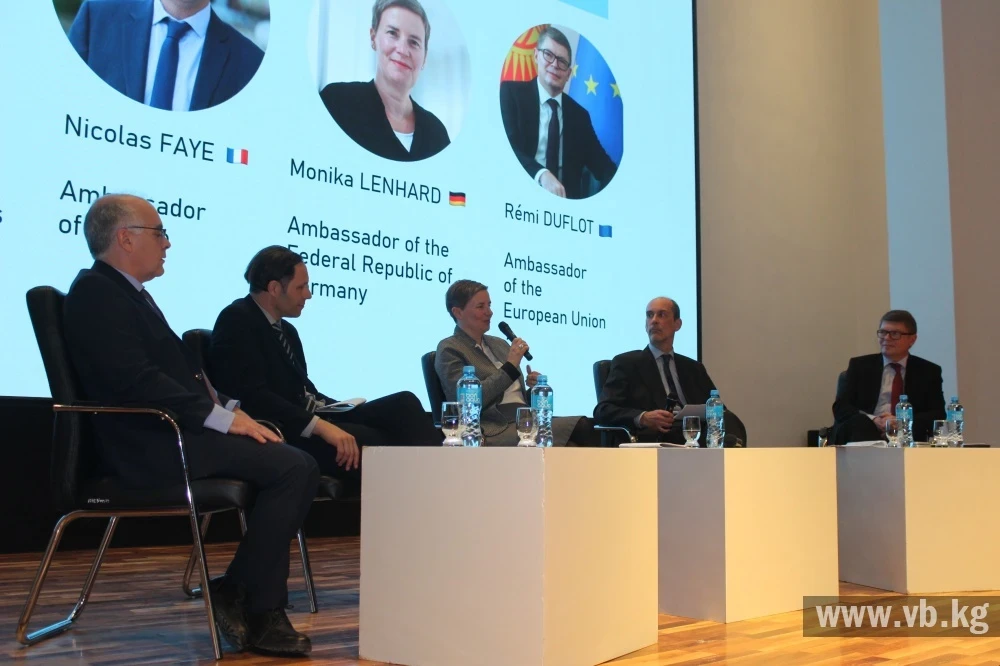
On January 21 and 22, 2026, events organized by the embassies of France and Germany took place in Bishkek, dedicated to the 63rd anniversary of the Élysée Treaty and the 7th anniversary of the Aachen Treaty. These agreements laid the foundation for a historic reconciliation between countries that were once enemies and now represent one of the strongest alliances in Europe.
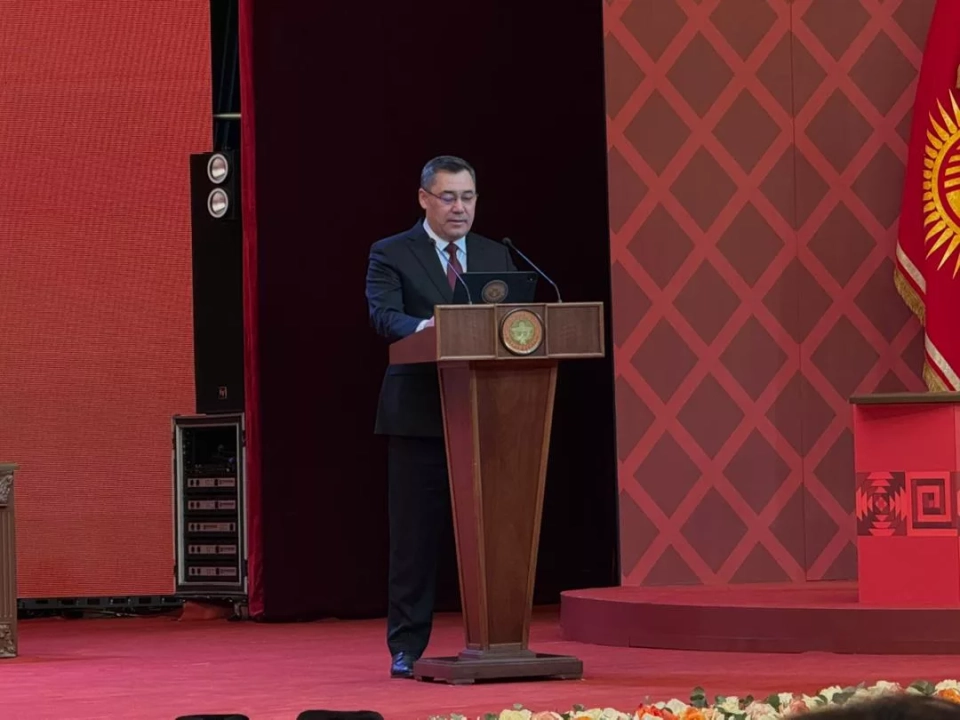
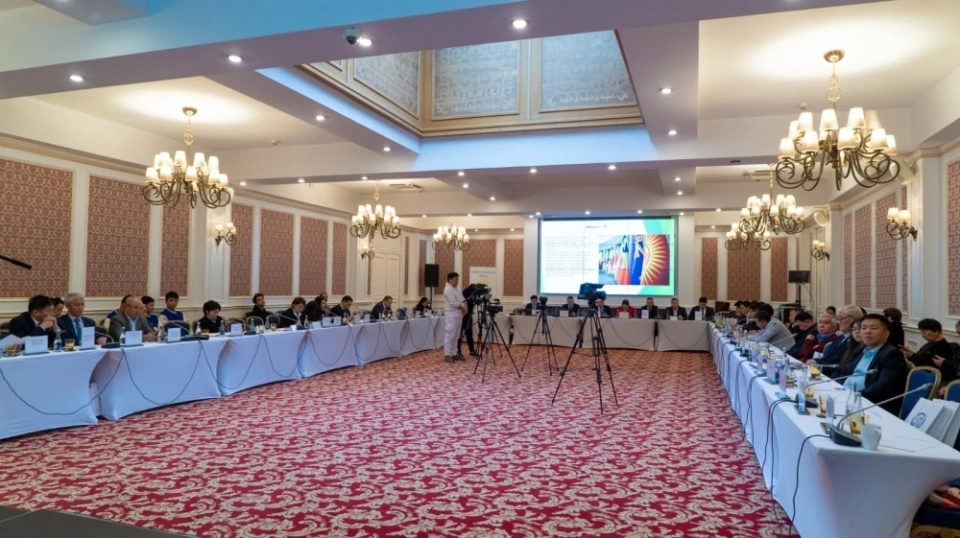
As part of the celebration, a panel discussion was held at the National Historical Museum, where the development of the Franco-German partnership and its impact on international relations were discussed. The event featured Dr. Niklas Wagner, Director of the Department for Eastern Europe, the South Caucasus, and Central Asia at the German Foreign Office, Deputy Foreign Minister of Kyrgyzstan Meder Abakirov, as well as the ambassadors of France and Germany - Nicolas Fay and Monika Lenhardt, respectively, and the ambassador of the European Union, Remy Duflot.
The discussion addressed important lessons that can be learned from the reconciliation between Germany and France, as well as the contribution of this partnership to peacekeeping efforts and stability in Europe. Participants emphasized how the experience of the two countries can be beneficial for Central Asia, where states are striving to strengthen regional cooperation, develop joint economic initiatives, and facilitate the movement of citizens.
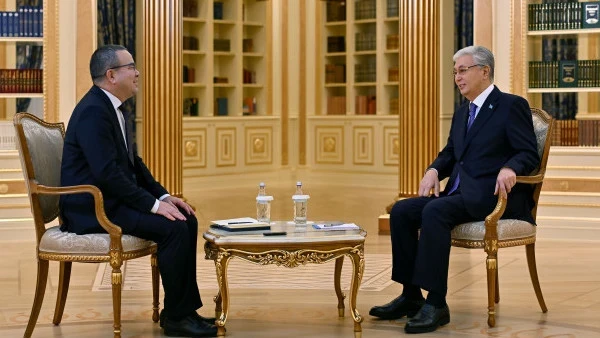
In an interview with the publication VB.KG, German Ambassador Monika Lenhardt highlighted that the Élysée Treaty is the cornerstone of strategic relations between the two countries. She noted that reconciliation after a long period of confrontation is truly a unique event. This cooperation has become the basis for creating a model of interaction that serves as one of the main pillars of the European Union.
Lenhardt also reported on the significance of the new Franco-German Cultural Institute in Bishkek for Kyrgyzstan. The establishment of this institute was enshrined in the Aachen Treaty of 2019. There are only four such institutes in the world, and Bishkek has become one of them. The institute has already begun its activities by conducting cultural events and implementing joint projects, with the official opening planned for the coming year.
French Ambassador Nicolas Fay also noted that the Élysée Treaty became a starting point for political, economic, and cultural rapprochement between France and Germany. He highlighted the creation of the Franco-German Youth Office, which opened opportunities for ten million young people to participate in exchanges, as well as the launch of the Arte television channel and the development of cultural initiatives, including the French Cultural Center in Bishkek.
According to the ambassador, the experience of cooperation between the two countries can inspire Central Asian states to strengthen regional ties and develop creative industries. Franco-German programs in Kyrgyzstan, aimed at youth, should serve as a kind of bridge to Europe and its languages, culture, and modern approaches to the development of creative professions.
Deputy Foreign Minister Meder Abakirov noted that the consistent actions of Germany and France contribute to the formation of a sustainable and balanced European Union policy towards Central Asia. He emphasized that Kyrgyzstan is interested in continuing dialogue and expanding cooperation with the EU, especially in the context of regional interaction.
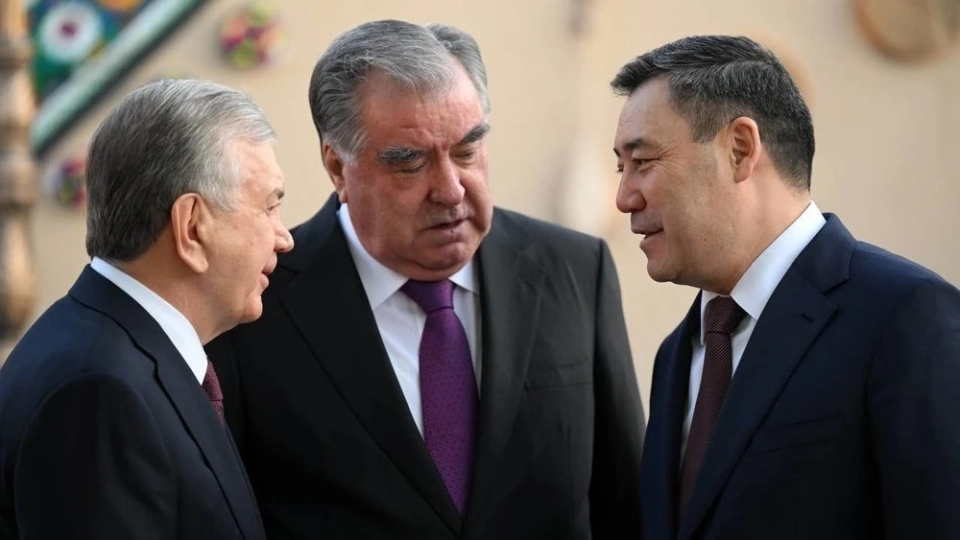
Abakirov also reminded that in March 2025, Kyrgyzstan, Tajikistan, and Uzbekistan signed an important trilateral agreement on border issues, which was a significant step towards building trust and creating a legal framework for resolving territorial disputes and implementing new joint projects.
Conference participants concluded that the experience of Franco-German reconciliation shows that even the most complex conflicts can be overcome with political will, mutual respect, and a desire for a common future. In the face of pressure on the modern international order, dialogue of this kind becomes particularly relevant.
In conclusion, representatives of the diplomatic missions expressed hope that such meetings would contribute to strengthening ties between the European Union and Central Asia, as well as developing cooperation in the fields of culture, education, and youth initiatives.