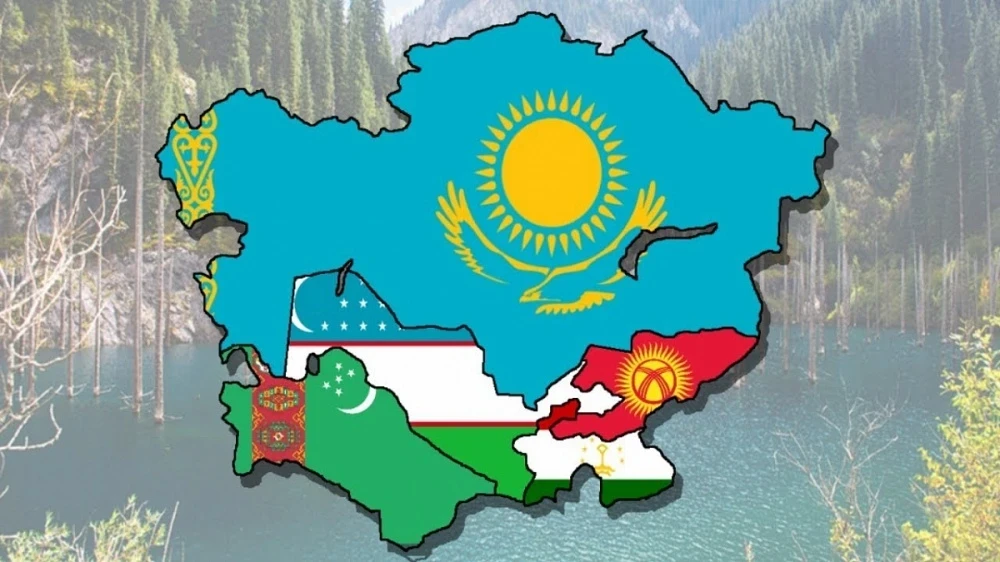
Not only America is leaving Central Asia. As European analysts claim, the old system is collapsing, and the new one has yet to be formed. If a world order does emerge, it will not be without chaos. The countries of Central Asia, like Europe, hope for the end of this chaos but find themselves in a state of uncertainty, pondering in which direction to move and with whom to cooperate.
The attempts of Kyrgyz NGOs to challenge this reality seem inappropriate: the lines from the anthem "God Bless America" have lost their significance. Expectations of assistance from the USA are also no longer relevant – that help will not come.
America tried to provide support (to the extent that was beneficial to itself) while the military base "Ganci" operated in Kyrgyzstan. At that time, Soros's influence and his "soft power" actively promoted their ideals under the pretext of "protecting the interests of the sovereign Kyrgyz Republic." With the departure of the base, American funding for Soros-related NGOs has decreased. Small groups remain, but they operate from abroad, funded by other sources.
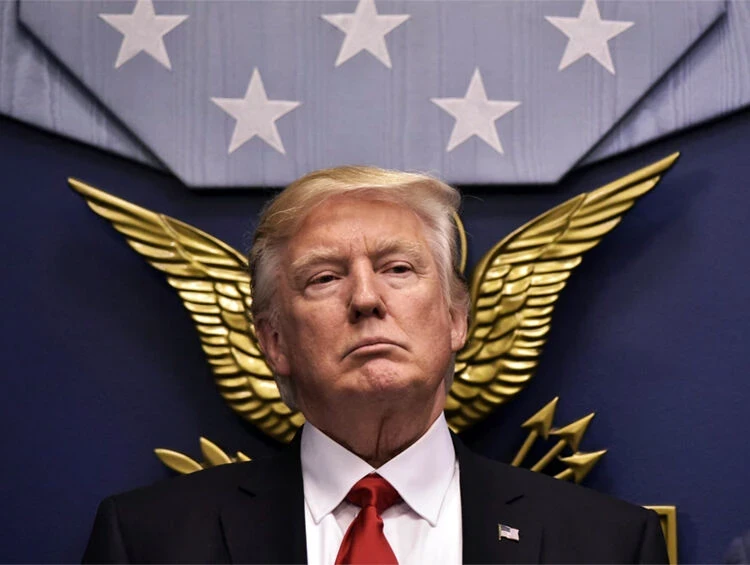
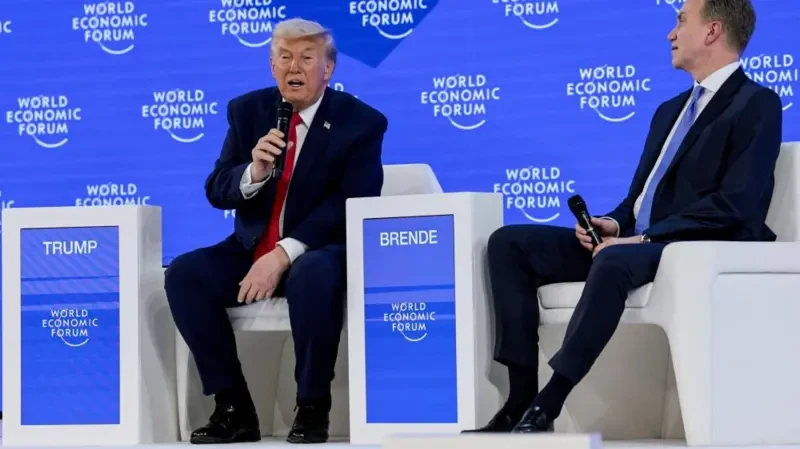
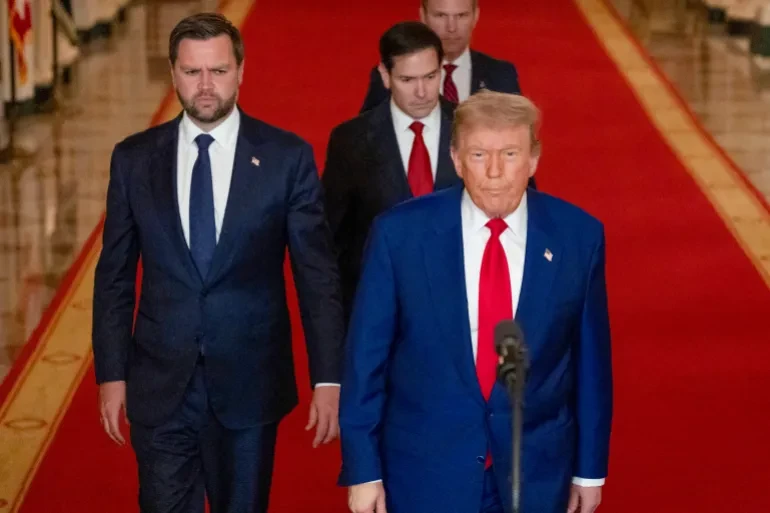
The interest of the USA in Central Asia has not disappeared, but its influence has significantly weakened. Trump appears to be less concerned even about events in the European Union.
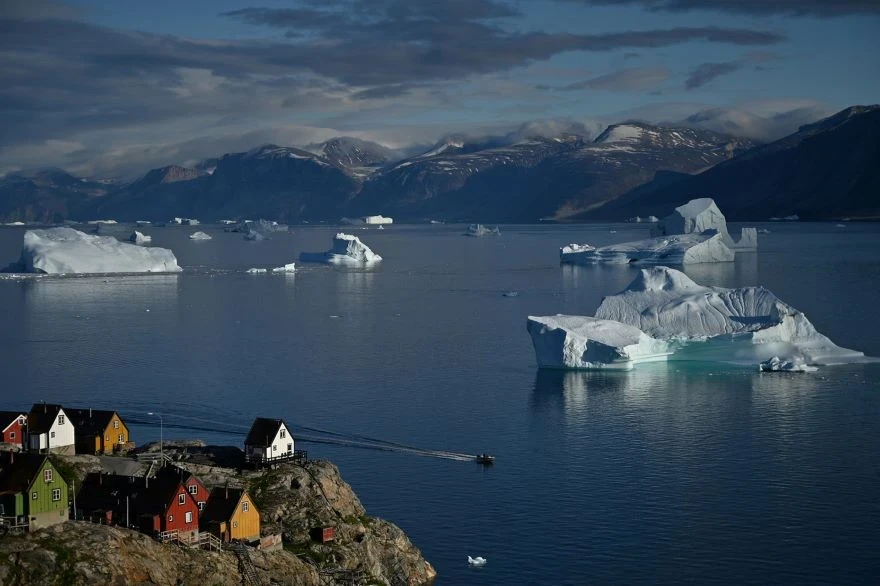
As Die Zeit points out, "Trump's claims to the territory of another state undermine international law, and the threat of using force against allies weakens NATO." An alliance based on trust and military power has lost faith in support from the USA.
The only thing that may interest Trump in Central Asia is the possibility of using us to counter his main rivals – Russia and China. But what is the price for us in this?
America, in a difficult situation, continues to act according to its own rules. Russia is also facing challenges, trying to contest the unipolar world and deal with internal problems. China, in turn, is engaged in a trade war with the USA. Trump reassures the world, stating that "Xi Jinping does not want an economic depression, and neither do I," but the consequences of American "aid" are known to all.
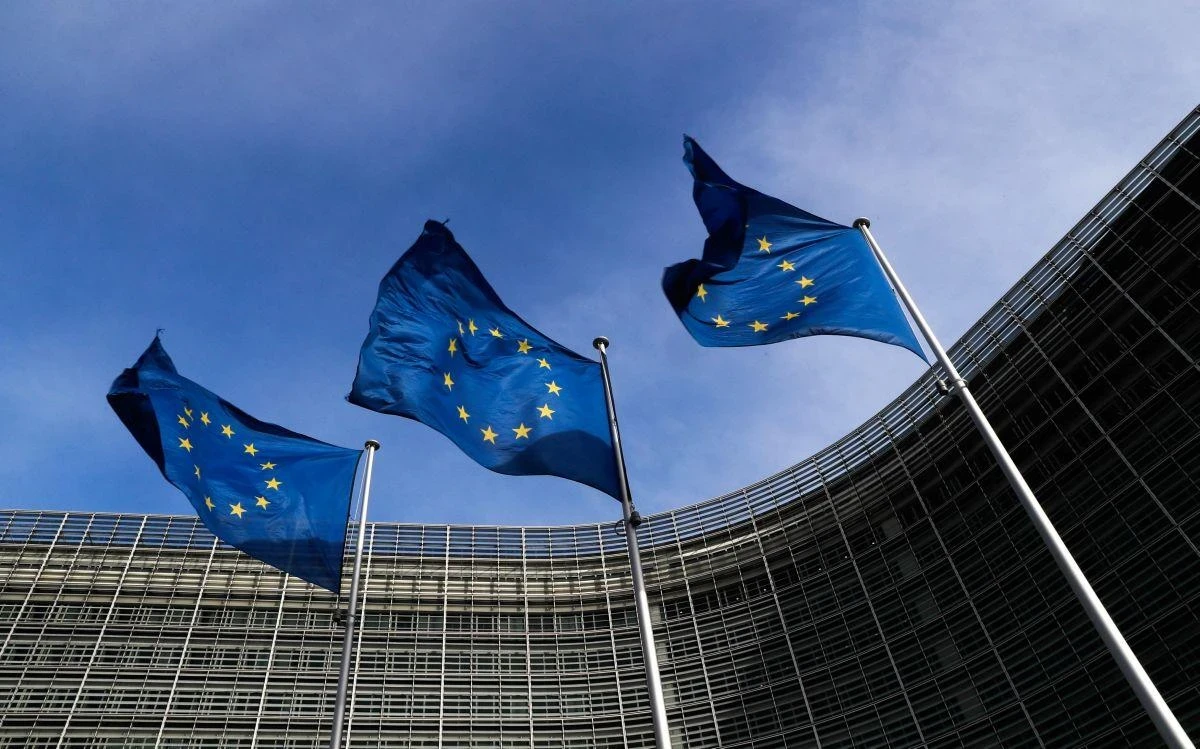
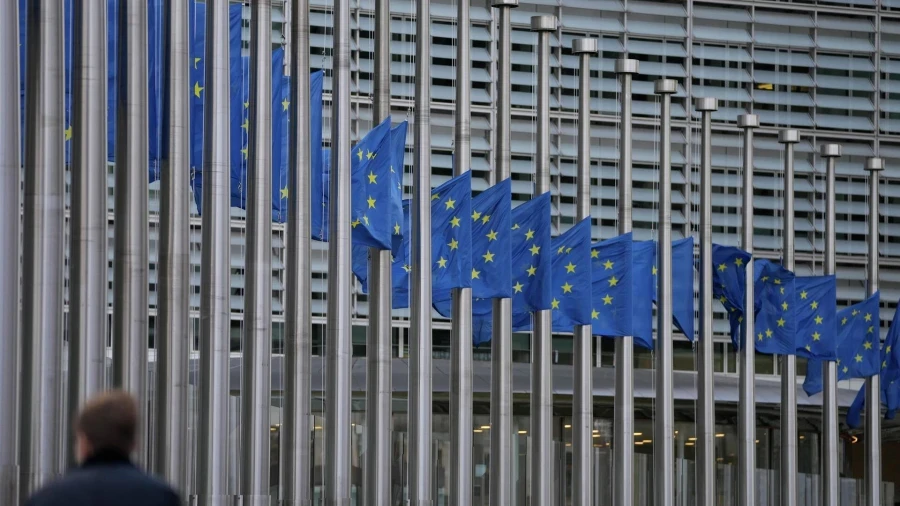
Initially, European states froze in fear: "The USA, China, and Russia will divide the world, and Europe will be crushed!" But soon they realized that a strong bloc of democracies could emerge to withstand the pressure.
What awaits Kyrgyzstan, which is essentially situated between two powerful centers of power – Russia and China? While it is not a hammer and anvil, if one of them gets involved in a conflict, the consequences will be severe.
Nevertheless, Kyrgyzstan cannot ignore global problems and claim that it needs no one. It is time to forget about the hope for help from afar. The closest neighbors are who we should rely on, as we share common problems and mentality.
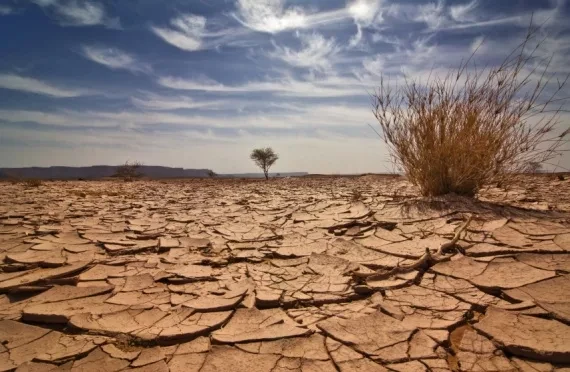
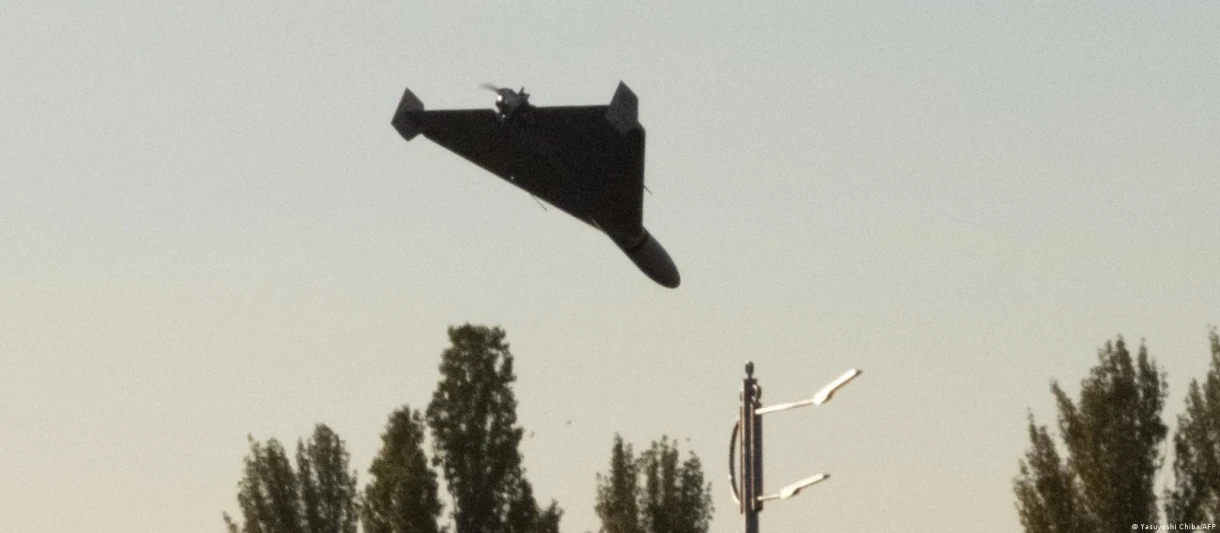
Among the challenges are socio-economic instability, water resource shortages, environmental issues, and labor migration, as well as threats from Afghanistan, including extremism and drug trafficking. These threats can manifest at any moment.
The region has long suffered from border conflicts. Kyrgyzstan and Uzbekistan, Kyrgyzstan and Tajikistan, Uzbekistan and Tajikistan – all these disputes have sometimes escalated into serious confrontations. However, the head of the State National Security Committee of the Kyrgyz Republic, Kamchybek Tashiev, has managed to establish dialogue with neighbors, which has become the basis for further cooperation and friendship.
During the 91st meeting of the Council of Commanders of Border Troops of the CIS, Tashiev suggested that a permanent presence on the Kyrgyz-Tajik border may become unnecessary. Although the complete erasure of borders is unlikely, there is a real opportunity to unite into a powerful bloc ready for internal and external threats, including interaction with other neighbors.
As for existing organizations, such as the Shanghai Cooperation Organization (SCO), it was not created exclusively for Central Asia and does not include all the states of the region. The Collective Security Treaty Organization (CSTO) is also facing difficulties and requires significant changes for further existence, considering the absence of Uzbekistan and Turkmenistan in its structure.
Similar problems are observed in the CIS and the EAEU. A new organization is clearly needed to unite the countries of Central Asia on the principles of equality, promoting cultural and economic development and strengthening security.
As Die Zeit notes, "in the era of American hegemony, Europeans felt their helplessness." Now Europe should believe in itself. Is it not time for Central Asia to stop self-criticism, reject the inferiority complex, and realize the potential of uniting into a strong alliance? This is a question not only of demonstrating capabilities but also of survival and development.