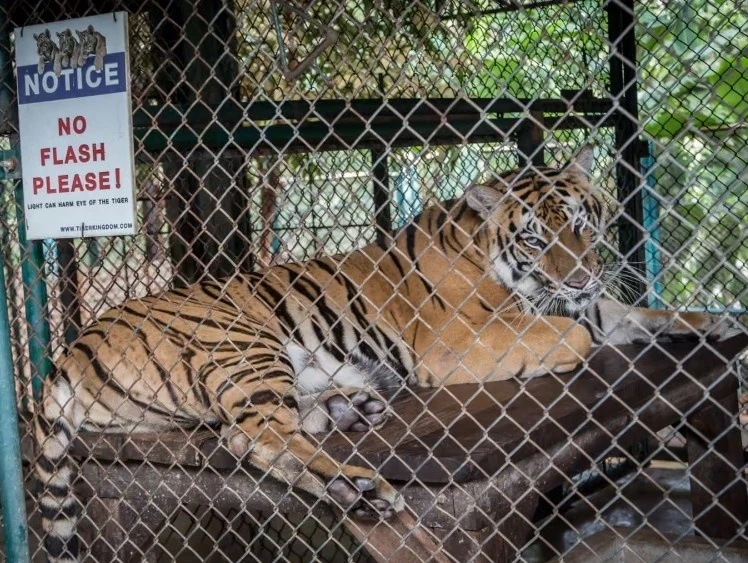
In northern Thailand, a tragedy has occurred — this month, 72 tigers have already died from a dangerous infection. In response to this situation, the country's authorities have urgently begun disinfecting enclosures and are organizing vaccinations for the surviving animals in an attempt to stop the spread of the disease.
The cause of the mass death of tigers is still a matter of debate. The regional livestock management office in Chiang Mai claims that the animals contracted canine distemper virus, while veterinarians have identified mycoplasma as a secondary infectious disease. At the same time, the director-general of the Department of Livestock Development of the Ministry of Agriculture of Thailand, Somchuan Ratanamungklanon, stated that the primary cause of death is feline panleukopenia.
The complexity of the situation is exacerbated by the fact that caring for wild animals is different from caring for domestic pets. As Ratanamungklanon noted, tigers do not have close contact with humans, which makes early detection of symptoms and the initiation of treatment difficult. The disease is often diagnosed in them at late stages, making it extremely challenging to help the animals.
The epicenter of the outbreak has been the areas of Mae Rim and Mae Taeng in Chiang Mai province. The first signs of illness in tigers were recorded on February 8. As a result of the situation, the popular tourist center Tiger Kingdom Chiang Mai, where visitors could interact with predators and take photos with them, has temporarily closed. The head of the wildlife protection office in Chiang Mai, Kritsayam Kongsatri, described the losses as "extremely unusual."
This region has a history of incidents related to dangerous viruses. From August to October 2024, 47 tigers and three leopards died from avian influenza in southern Vietnam. In 2004, a large outbreak occurred at the Sriracha Zoo in Thailand, resulting in the deaths or euthanasia of 147 tigers out of 441. The primary cause of infection at that time was believed to be raw chicken meat that was fed to the animals.
Currently, veterinary services continue to work on identifying the exact pathogen of the ongoing outbreak.
Source: theguardian.com