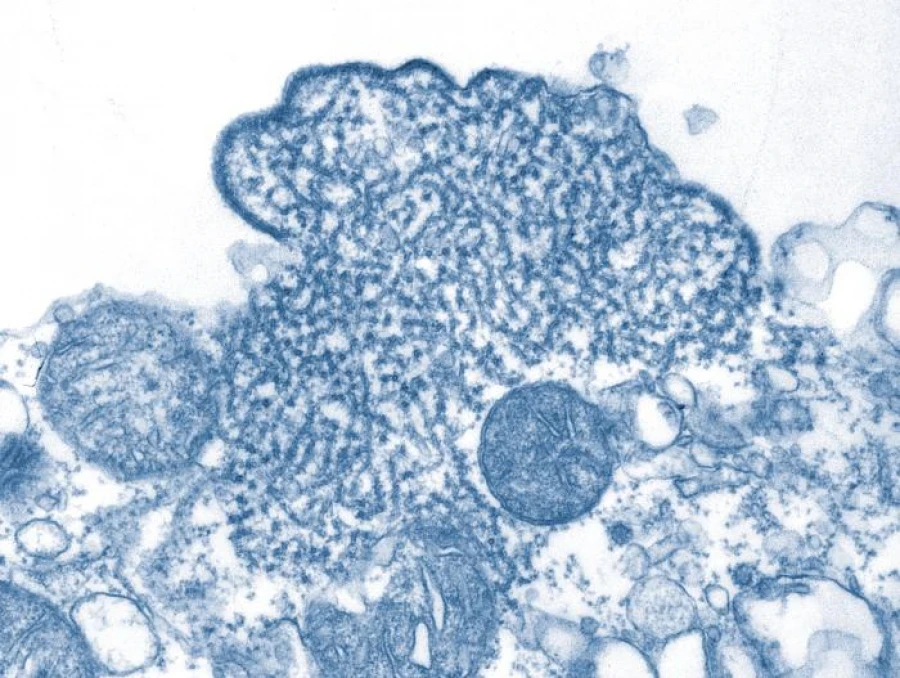
The Department of Disease Prevention and Sanitary-Epidemiological Surveillance reported a low level of risk for the spread of the Nipah virus in Kyrgyzstan.
Information about the Nipah virus
The Nipah virus is a zoonotic pathogen that is transmitted to humans from animals. The main carriers of this virus are fruit bats from the Pteropodidae family, also known as "flying foxes."
This virus was first identified in 1999 during an outbreak among pig farmers in Malaysia. Since then, there have been 12 registered outbreaks of the disease in South Asia.
Current situation
In January 2026, an outbreak of the virus was recorded in the Indian state of West Bengal, near Kolkata, where five cases of the disease have been reported. Experts note that the outbreak is local and seasonal in nature.
Risks for Kyrgyzstan
According to data from sanitary-epidemiological surveillance, the likelihood of the Nipah virus appearing and spreading in the territory of the Kyrgyz Republic is assessed as low for the following reasons:
- there are no natural foci of infection in the country;
- the virus is found among specific species of tropical bats;
- human-to-human transmission is also limited and not as widespread as, for example, with influenza or COVID-19;
- infection mainly occurs through the fecal-oral route;
- this can happen through fruits (especially dates) contaminated with the saliva or urine of infected bats;
- or through contact with domestic animals, such as pigs, that may have contracted the virus from bats.
- high fever;
- severe headaches;
- vomiting and sore throat;
- possible neurological symptoms: dizziness, drowsiness, and confusion.
- regularly wash hands with soap and use sanitizers;
- thoroughly wash fruits and vegetables before consumption;
- avoid drinking water from unreliable sources;
- not to contact sick animals, such as bats and pigs;
- immediately consult a doctor if symptoms arise (high fever, severe headache, pronounced cough).