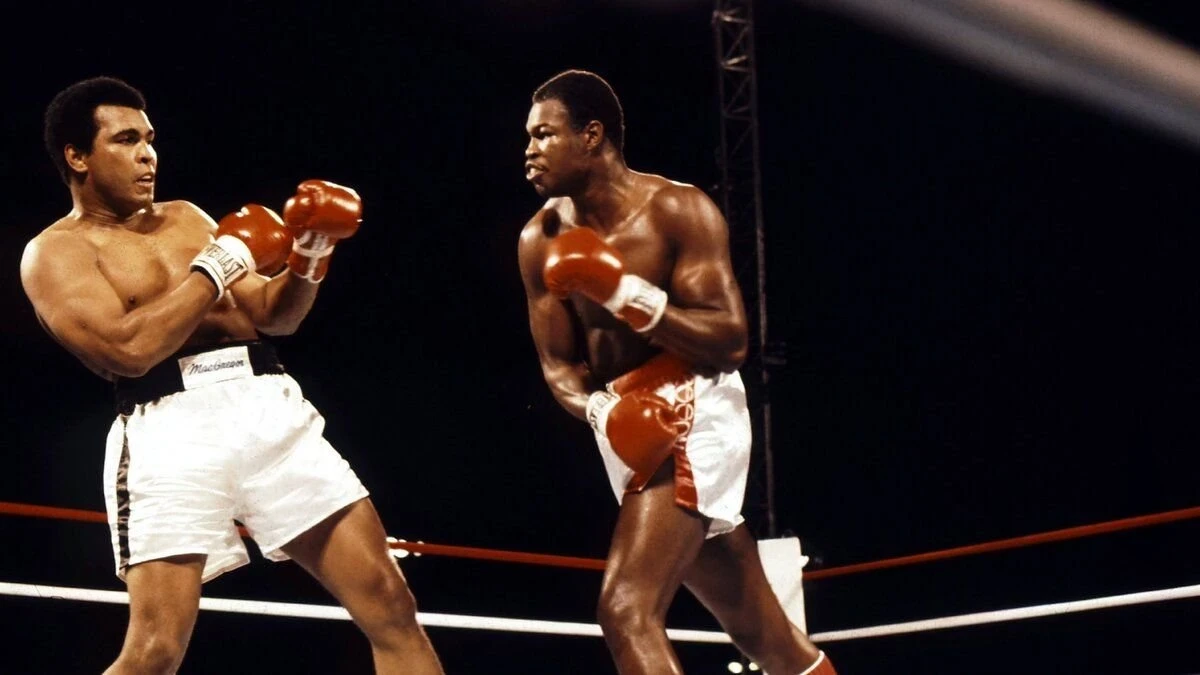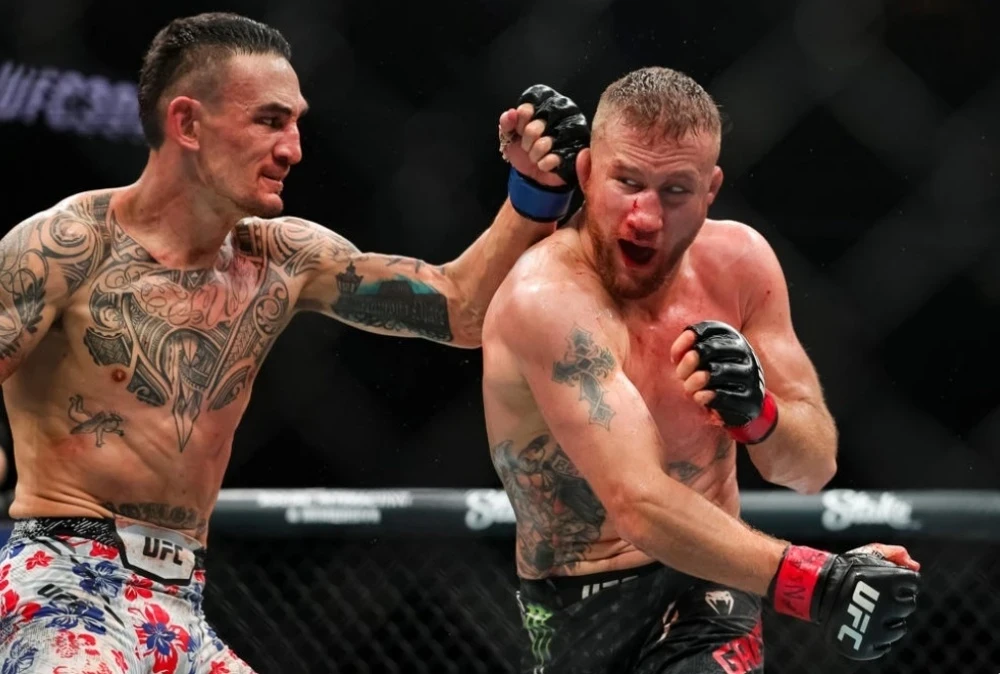
The significance of this event is heightened against the backdrop of discussions surrounding the bill known as the "Muhammad Ali Boxing Reform Act." This bill, which has been approved by the House of Representatives committee, is now under consideration in Congress. If it is passed and signed by President Donald Trump, Zuffa Boxing will gain the authority to establish rankings, award titles, and enter into exclusive contracts with fighters, similar to the UFC.
What does this law entail?
The Act was passed by the U.S. Congress in 2000, and its primary goal is to protect the rights of professional boxers. The idea for this law originated with Muhammad Ali; however, he did not participate in its development. The law provides protection for athletes against unscrupulous practices by promoters and organizations, acting as an alternative to unions that exist in other sports. One of the key aspects is the requirement for promoters to provide transparent financial reports so that athletes know what share of the revenue they will receive. The law also introduces regulations for oversight by boxing commissions and prohibits the combination of promoter and manager roles by a single individual, which is intended to improve fairness in the industry.
Corruption cases and biased rankings, where boxers representing certain promoters found themselves at the top, prompted the creation of this law. Notable examples of such practices include Don King and WBC president José Sulaimán. There were also concerns about insufficient oversight of boxers' health, although even with the introduction of the Ali Act, insurance and compensation remain absent, except for mandatory medical examinations.
White aims to create a boxing model similar to the UFC, adhering to the same principles: no unnecessary weight classes, minimizing the number of championship belts, establishing its own rankings, and maintaining confidentiality regarding fighters' fees. Despite criticism of the UFC for low fighter payouts, White asserts that everyone gets what they deserve, making the promotion profitable. However, the Ali Act restricts such practices by requiring income reporting so that boxers understand what percentage of total earnings will be directed to them. Zuffa plans to take control of these figures and set fees independently.
It is worth noting that in 2016, there were attempts to adapt the Ali Act for MMA. Former fighter Markwain Mallin proposed including mixed martial arts under this law, primarily to pressure the UFC. The main complaints concerned the organization's influence on rankings and the distribution of title fights, as well as exclusive contracts that restricted fighters from competing in other leagues. However, the UFC managed to defend its position in court.
Attorney Eric Magraken expressed concerns about changes to the law: "The Ali Act was created to combat coercive practices and exploitation by promoters to prevent the monopolization of the sport. Boxers should compete for titles, and promoters should compete for fighters. If promoters control the titles, it will lead to the exploitation of boxers. The new bill raises alarm among professional athletes as it undermines important guarantees provided by the Ali Act and could allow promoters to take control of the sport."
Niko Ali Walsh, Muhammad Ali's grandson, also spoke out against the amendments: "As Ali's grandson, I am firmly against changes to the Muhammad Ali Act. My grandfather fought to protect boxers from being cheated. If the law is repealed, promoters will gain more power, and boxers will receive less. We must preserve the law and protect boxers who risk their lives."
Nevertheless, the bill has support. The California State Athletic Commission held internal meetings and backed the initiative, although expressing concerns about potential monopolization and transparency of fees. At the same time, they praised the insurance and other protective measures for boxers. Promoters like Tom Loeffler and Cory Rapach also voiced support for changes to the law.
Nick Khan, a board member of TKO, thanked the commission for its support and noted that Muhammad Ali's widow is also in favor of the changes: "On behalf of Zuffa Boxing, we thank the California State Athletic Commission for their careful consideration of the opinions expressed at the hearings and for their unanimous support of the 'Muhammad Ali Boxing Reform Act.' This bill does not repeal or alter the provisions of the original Ali Act. We are proposing an alternative system that will provide fighters with more opportunities and protect their interests, as well as give them a better chance to participate in competitions."