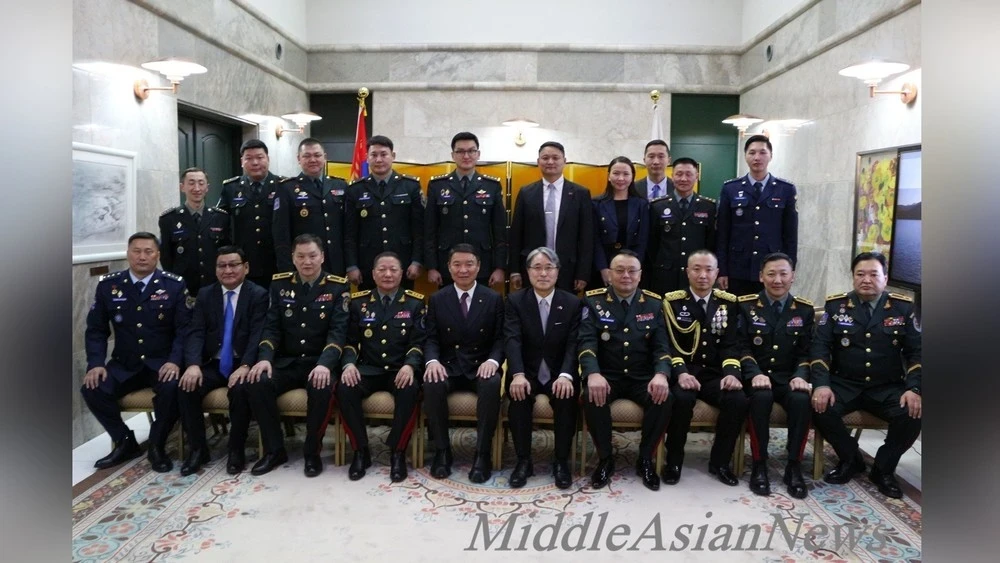
During his speech, Ambassador Masaru Igawahara emphasized that there has been significant progress in defense cooperation between Japan and Mongolia in recent years. He noted that this has been made possible through strong trust and joint efforts of the Japan Self-Defense Forces and the Armed Forces of Mongolia, based on shared values. This information was reported by MiddleAsianNews.
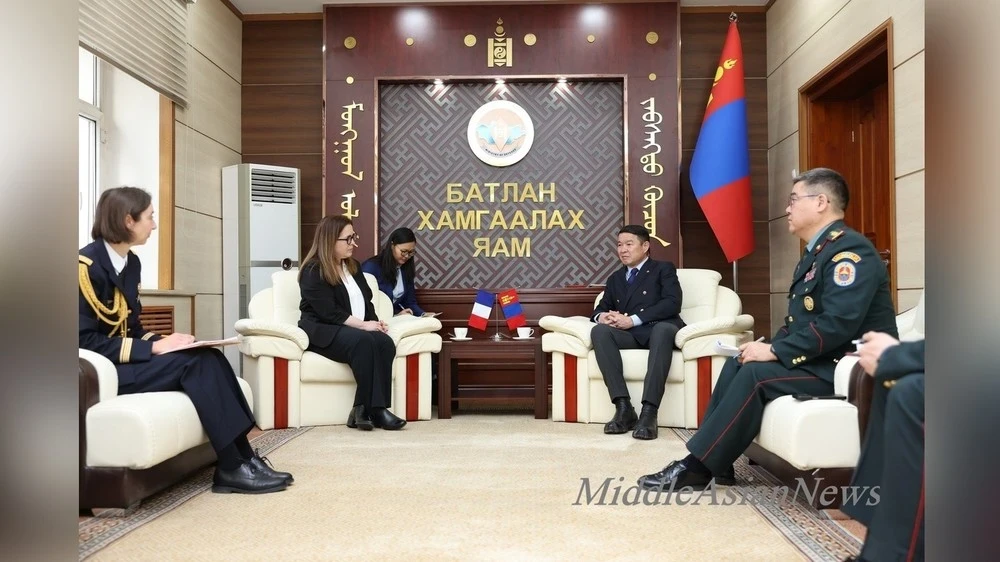
High-ranking guests attended the event, including ministers, members of parliament, Minister of Defense Batlut Damba, Chief of the General Staff of the Armed Forces, Lieutenant General Ganbymba Sunrev, as well as Mongolian military personnel trained in the Japan Self-Defense Forces, foreign ambassadors, and other officials.
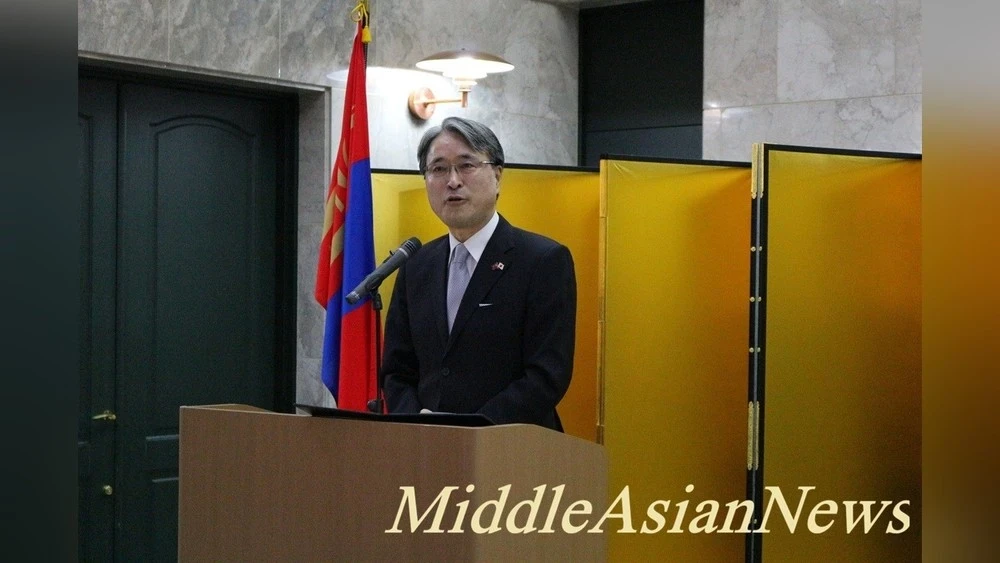
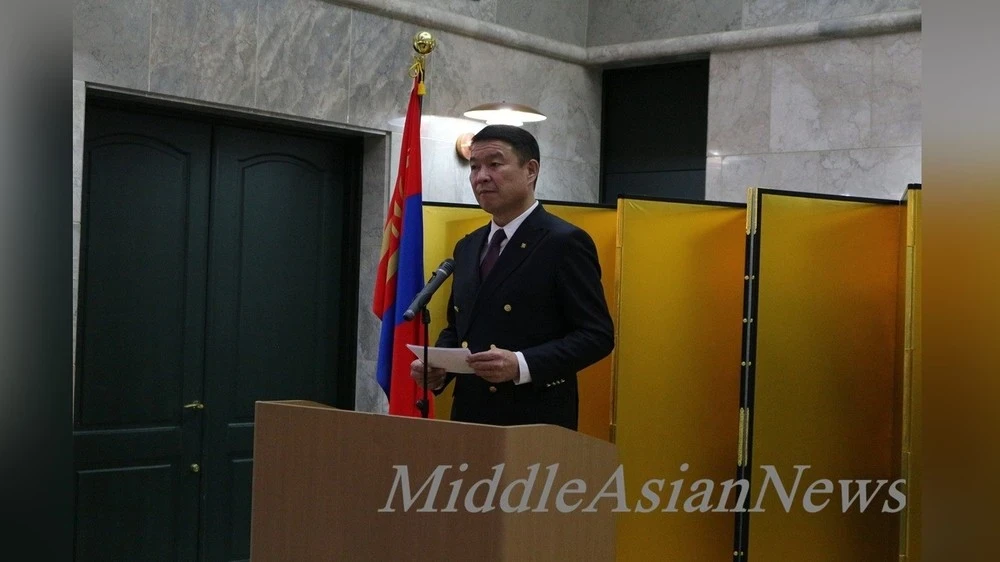
In a statement, the Japanese embassy emphasized that further development of defense cooperation between Japan and Mongolia is expected, which will contribute to peace and stability both in these countries and in the region as a whole.
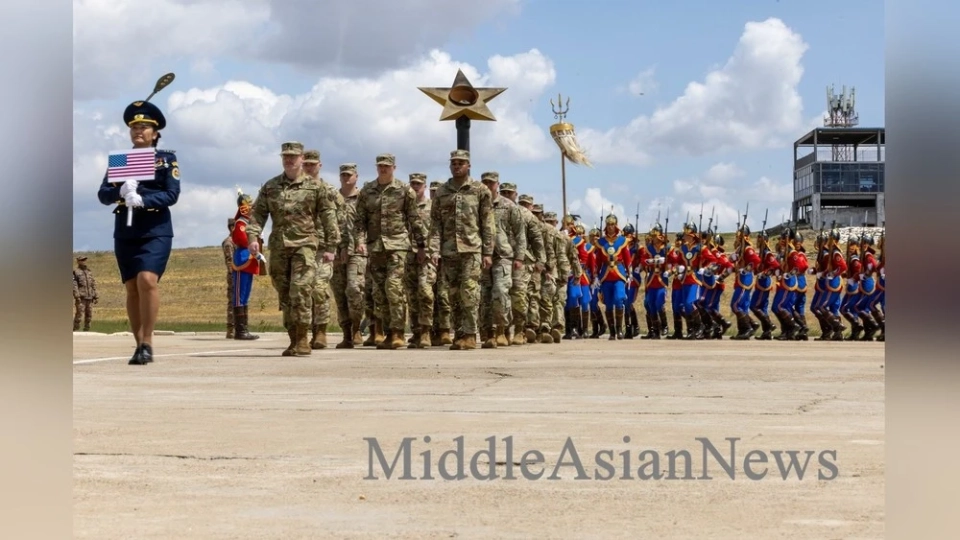
The Japan Self-Defense Forces and the Armed Forces of Mongolia maintain a "Special Strategic Partnership" aimed at enhancing peacekeeping capabilities, humanitarian assistance, and stability in the region. Since 2010, they have actively participated in joint exercises such as "Khaan Quest" and "Road," focusing on engineering work, convoy escort, and defense technology transfer.
In 2024, Japan and Mongolia signed an agreement on the transfer of defense equipment and technologies.
The Japan Ground Self-Defense Force trains Mongolian engineers, particularly for participation in UN peacekeeping operations.
The status of the partnership was elevated to "Special Strategic Partnership for Peace and Security" in 2022, highlighting both countries' commitment to regional stability.
The partnership emphasizes the development of engineering capacity, providing Mongolia with access to modern technologies and training to support international peacekeeping efforts.
Recently, cooperation between Japan and Mongolia has been actively expanding, leading to tangible results and strengthening trust on regional security issues. Recently, the Japan Self-Defense Forces played a significant role in international exercises held in Mongolia.
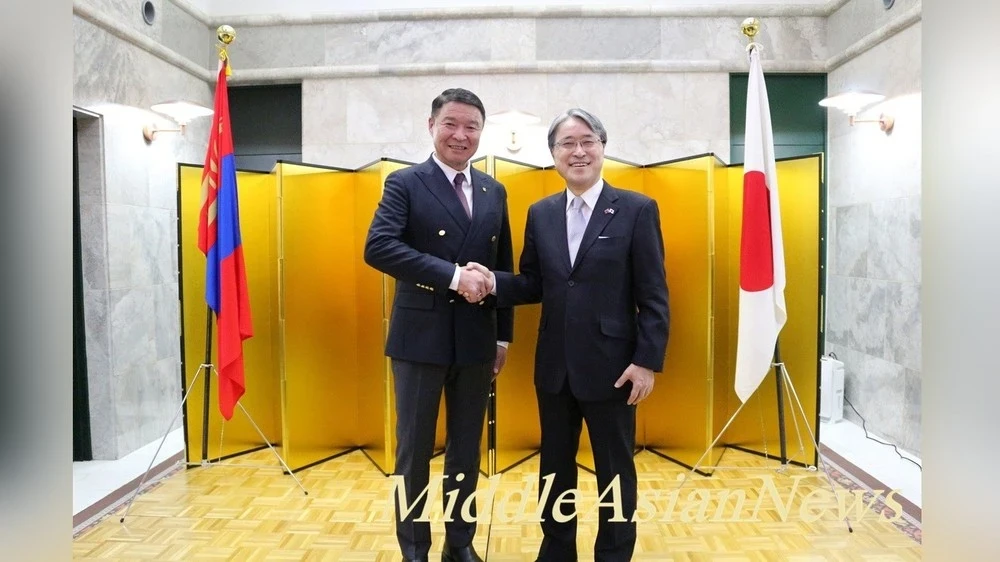
Japan and Mongolia are implementing a "Capacity Building Program" aimed at training and practical education for Mongolian military personnel to participate in UN peacekeeping missions.
As part of this program, the following is being carried out: 1. The "Chadwick Improvement Program," in which doctors and experts from the Mongolian Military Hospital conduct joint exercises with the OECD Central Hospital and the Japan Health School on providing medical assistance in disaster situations.
2. The "Enhancement of Engineering Corps Capacity" program from the Japanese university BHU, aimed at training qualified engineers and specialists in road construction, sharing experiences, and improving qualifications. Since 2014, 12 training courses have been implemented, covering the construction of roads, dams, and bridges, as well as land assessment.