A group of independent UN experts, including special rapporteurs, published a document that questions years of denial and spreads despite digital restrictions in Tibet and other regions.
Among the authors of this statement are the Special Rapporteur on contemporary forms of slavery, Tomoya Obokata, and the Special Rapporteur on minority issues, Nicolas Levrat, as well as other human rights experts.
This coalition acts as a kind of "tribunal of conscience," and their findings are quite serious.The document raises the issue of a "systemic model of forced labor imposed by the state on ethnic minorities in various provinces of China," and some aspects of this coercion may be equated with forced relocation and/or enslavement, which constitutes a crime against humanity. Thus, the UN experts are effectively making accusations against the second-largest economy in the world, relying on authoritative human rights protection mechanisms.
For many years, Beijing supporters have claimed that the testimonies provided by Uyghurs, Kazakhs, Kyrgyz, and Tibetans are fabrications, and that satellite images and document leaks are forgeries. This data has been criticized as "Western propaganda." However, now the UN, recognized as a neutral body, has confirmed an important conclusion: the labor transfer system in China is indeed coercive and operates on a scale that raises serious doubts.
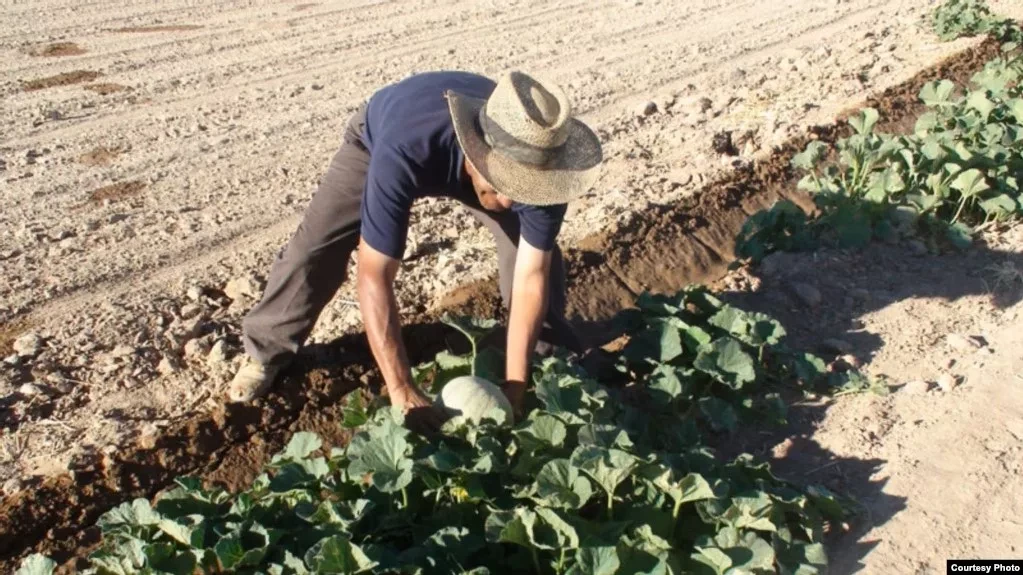
Experts detail how state programs for "poverty alleviation through labor transfers" effectively force members of minorities to accept jobs that they cannot refuse. With such strict control, refusal becomes unthinkable. According to Xinjiang's five-year plan, "13.75 million cases of labor transfers" are expected, which raises doubts about the voluntariness of these processes. When millions of people are "transferred," it is virtually impossible to speak of freedom of choice.
Special Attention - Tibet
Experts estimate that "by 2024, the number of Tibetans affected by labor transfers may reach 650,000." These processes are accompanied by military discipline and pressure campaigns, leaving virtually no room for dissent. Entire villages are relocated as part of the "relocation of entire settlements" policy, based on threats of punishment and bans on criticism.From 2000 to 2025, "about 3.36 million Tibetans have been affected" by programs aimed at dismantling the nomadic lifestyle and replacing it with dependence on the state.This is a large-scale social transformation project, disguised under the slogans of fighting poverty, which leads to the violent alteration of identity. Experts warn that such measures "violently change traditional agricultural or nomadic ways of existence, relocating people to places where they have no choice but to engage in wage labor," which leads to the erosion of cultural and religious practices. In other words, this can be seen as cultural destruction carried out through administrative decisions.
Global Consequences
Goods produced using forced labor enter global supply chains, often through third countries. Experts warn international businesses: "Companies must ensure that their operations and value chains are not linked to forced labor." This requirement is based on the UN Guiding Principles on Business and Human Rights and is accompanied by a call to provide independent human rights mechanisms of the UN with unrestricted access, which Beijing consistently rejects.The authors of the statement believe that the time for denialist arguments has expired.
The UN has spoken clearly and unequivocally. Ignoring the uncertainty is becoming increasingly difficult: the evidence is substantial, the formulations are clear, and the moral responsibility is high.Forced labor in regions inhabited by national minorities in China is not a myth, not a geopolitical thesis, and not a fabrication of anyone. It is a documented reality, experts assert. Those who previously dismissed such statements will now have to acknowledge that the organization trusted to define the truth has confirmed the conclusions long stated by survivors, researchers, and journalists.
Illustration on the main page - from social media.