At the event, as reported by Bloomberg, the Russian delegation emphasized that a potential violation of the 1967 Outer Space Treaty, which requires consideration of the interests of other countries, raises concerns. Representatives from Moscow expressed doubts that the management of a large network owned by a private company aligns with the interests of long-term stability in space. In this regard, Russia proposed to initiate international negotiations to limit the number of new satellites and to revise the rules for the use of commercial frequencies for military purposes.
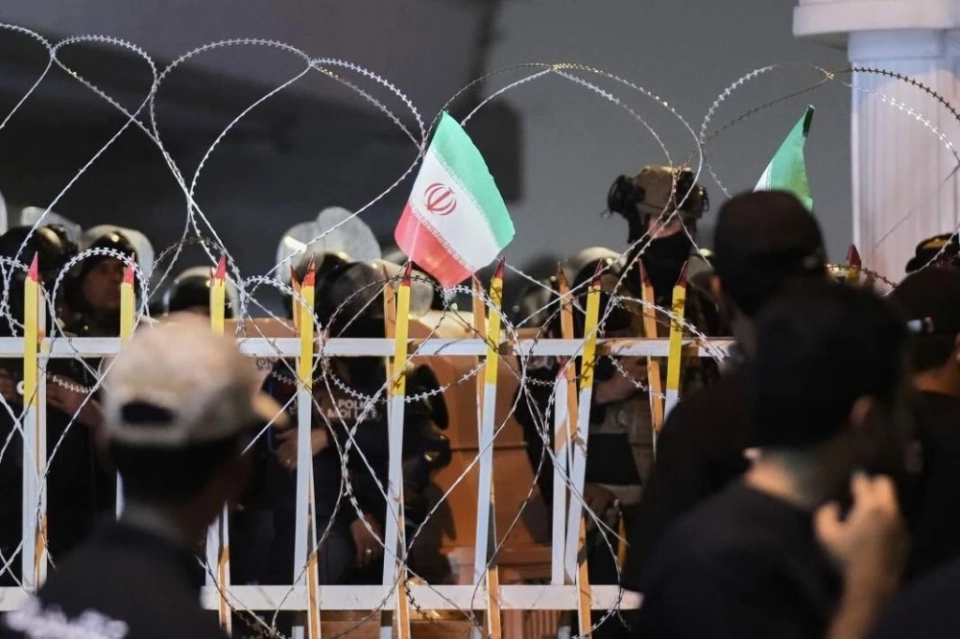
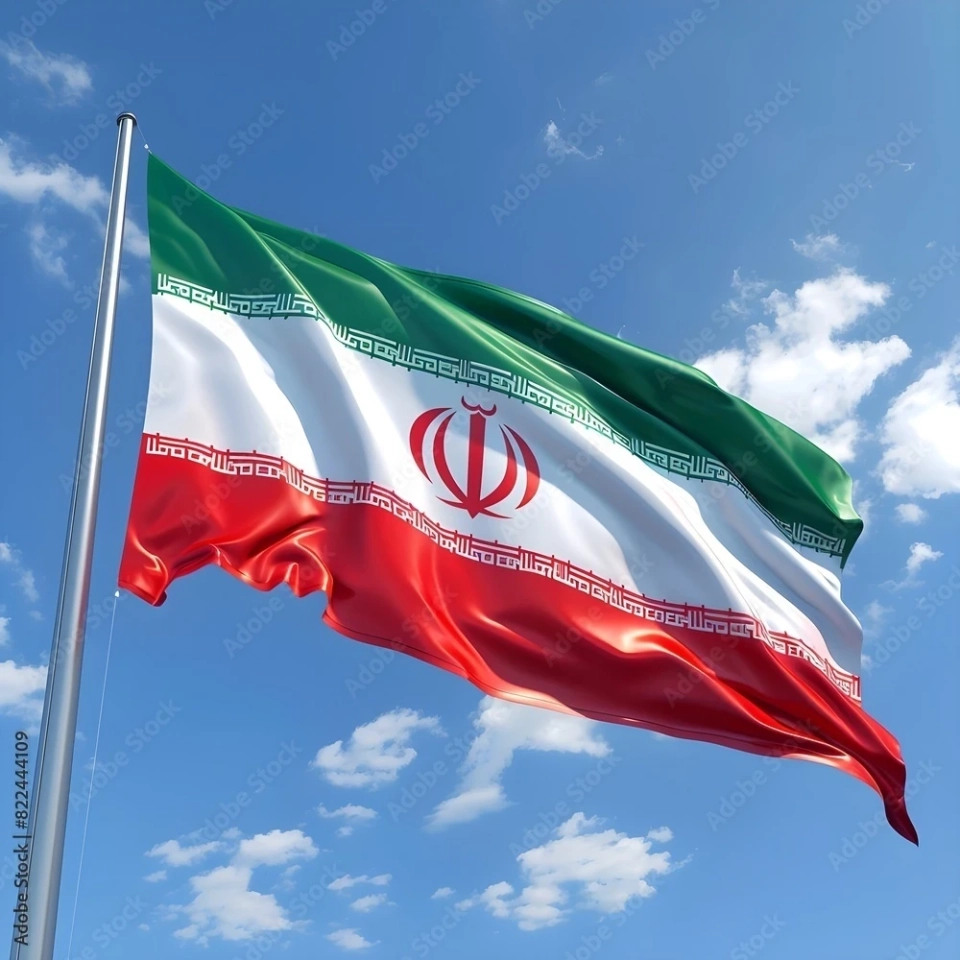
Iranian delegates also noted that the "illegal use" of Starlink on Iranian territory contradicts the country's sovereignty. Tehran claims that this "commercial satellite mega-constellation" is being used for military purposes without the approval of local authorities. Previously, Iran raised similar issues within the framework of the International Telecommunication Union, pointing to existing regulations that prohibit the provision of telecommunications services without the consent of government bodies.
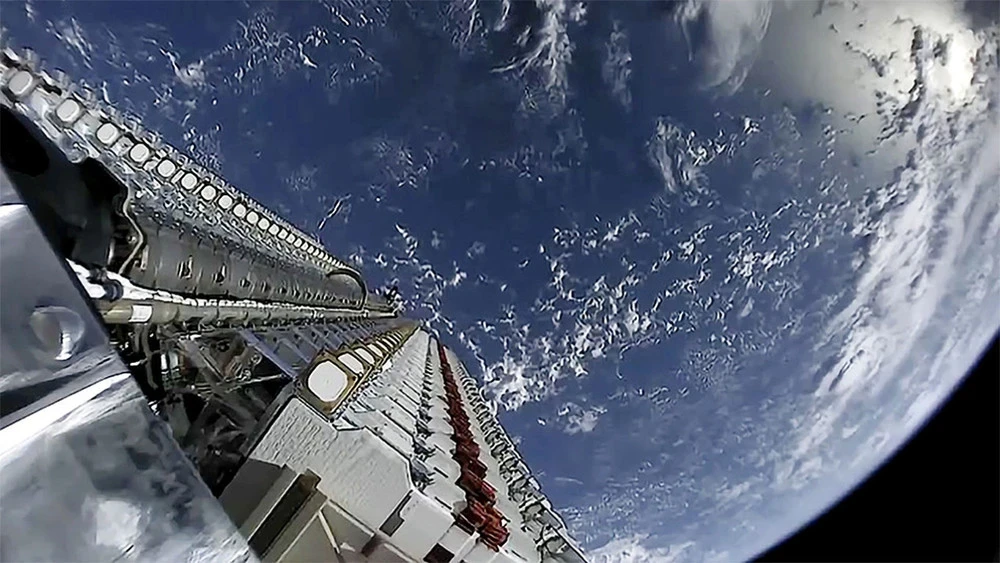
According to Bloomberg, SpaceX manages the Starlink satellite constellation, which consists of about 9,600 satellites. This system is actively used by Ukrainian military forces in their confrontation with Russia. Earlier, Russian military forces also utilized Starlink; however, in early February, Elon Musk disabled the satellite communication terminals for the Russian armed forces.
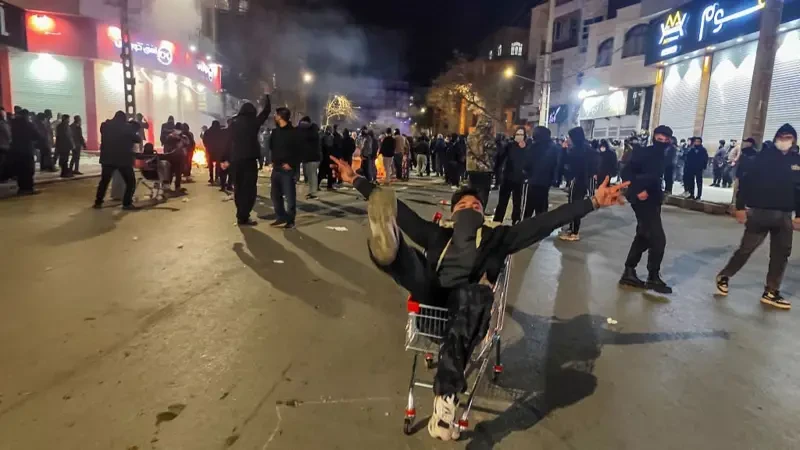
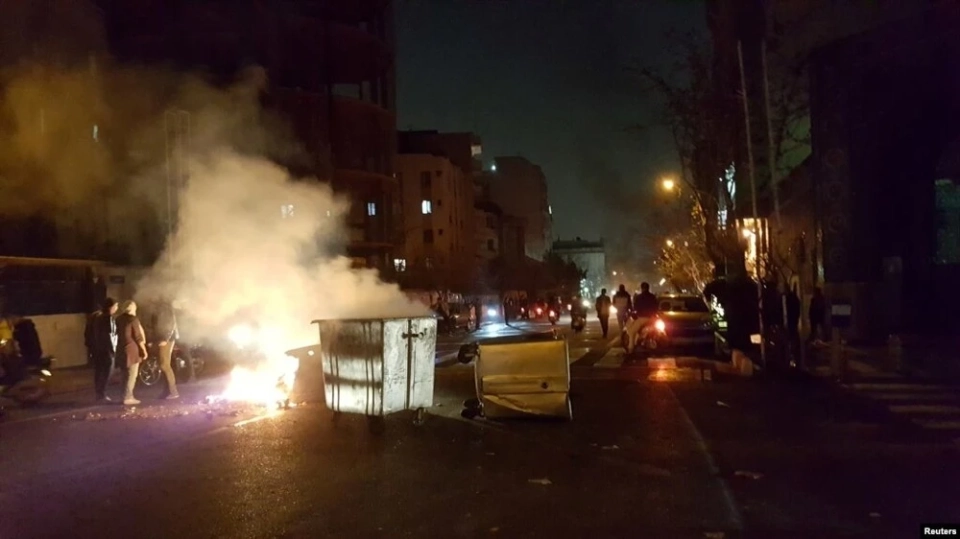
Officially, the use of Starlink is prohibited in Iran, but in recent years, about 50,000 terminals have been imported into the country illegally. During the protests in January, participants in the demonstrations used this network when authorities restricted internet access, as reported by the agency.