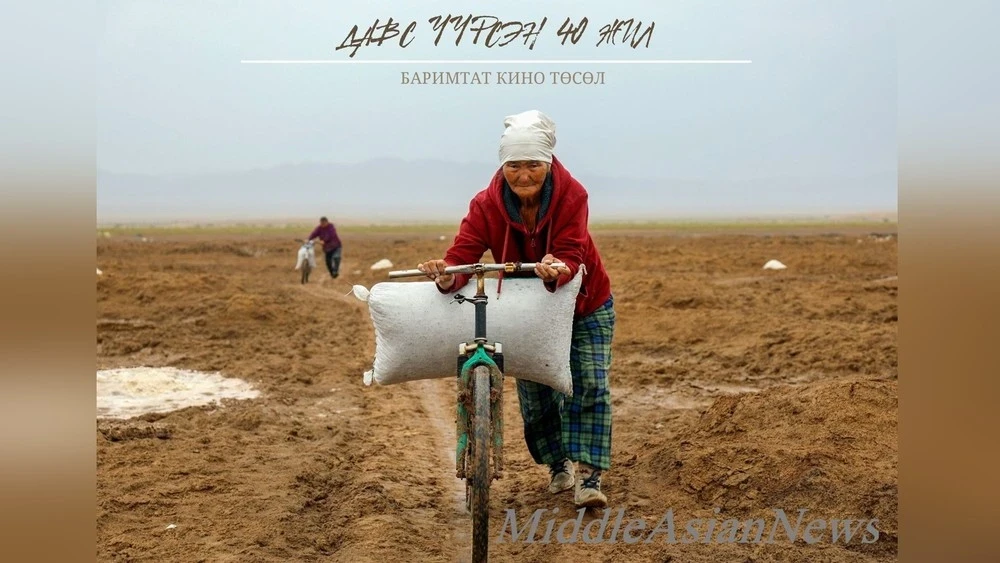
According to MiddleAsianNews, this event is an important milestone in the development of Mongolian cinema on the international stage.
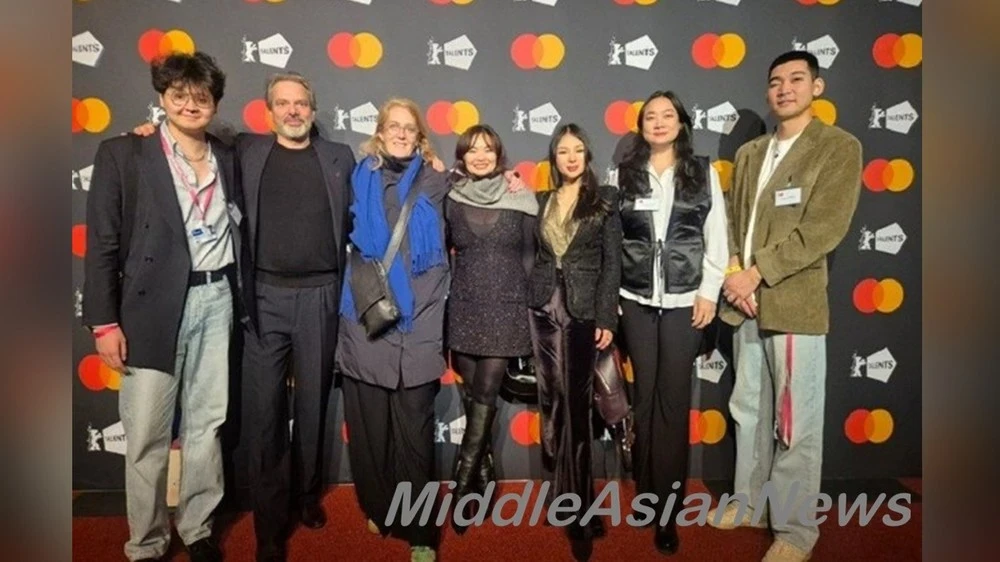
During the 76th Berlin International Film Festival, three Mongolian projects were presented at the FilmNomad × Berlinale Talents Brunch & Pitch Session, marking a significant contribution to increasing Mongolia's visibility in the global film industry.
This initiative, organized by FilmNomad, brought together directors and producers interested in finding international partners for collaboration, funding, and co-production. The session also discussed the transformation of FilmNomad from a training program into a full-fledged development lab with global objectives.
Nominjuyaa Baasankhuu, head of FilmNomad, noted that the upcoming 2024-25 festival will be a significant moment for the organization. Thanks to a partnership with the Sundance Institute and its Co//ab platform, participants completed three online courses before moving on to intensive training.
“FilmNomad now operates as a lab,” emphasized Nominjuyaa. “We select projects and engage in their deep development, with the ultimate goal being a presentation on a train heading to the Gobi Desert, which will take place in July. This year is different, as we are collaborating with Berlinale Talents for the first time, presenting our three best projects to 200 talents from around the world.”
This collaboration not only increased visibility but also provided Mongolian filmmakers with the opportunity to connect with international players at the Berlin International Film Festival.
Director Tamir Batbold presented his debut feature film “Jinjii's Birthday,” a romantic drama currently in development. He serves as both writer and director and is now seeking international partners to promote his project. “I am here to find a co-producer who can help me with festivals, post-production, and distribution,” he shared. The film's budget is $250,000, and Tamir is also looking for a Mongolian production company to strengthen the project's structure at home. His participation highlights the urgent need among young Mongolian filmmakers for access not only to funding but also to strategic guidance through international festivals and markets.
Producer Mandakh Gantogs presented the film “In the Mirage of the Yellow Dunes,” the third feature work of Jamiyansuren Janchivdorj. This piece explores “the pain of human loneliness and our desperate need for each other,” reflecting a modern paradox: “We are more connected than ever, yet loneliness has become an epidemic.” The script is ready, and 30% of the budget has already been secured from local sources. Now the team needs to find an additional 300,000 euros and an international co-producer who can provide funding and experienced crew members. “We are looking for a co-producer who can collaborate with us and bring in an international team,” Mandakh noted, emphasizing the desire to improve production quality through cross-border collaboration.
The animated project was presented by director Zolbayar Dorjshemb, who is working on “Tsaskhan,” the first feature-length animated film of its scale in Mongolia. This two-dimensional project, being created in his studio in Ulaanbaatar, is dedicated to children's imagination and hope, telling the story of two girls selling books in the capital. “We are looking for co-producers and studios for co-production in Europe,” Zolbayar said, mentioning France and Japan as potential partners. Although some local funding has already been secured and a 20-minute short version is in development, the animation sector in Mongolia still faces limitations in workforce and technical infrastructure.
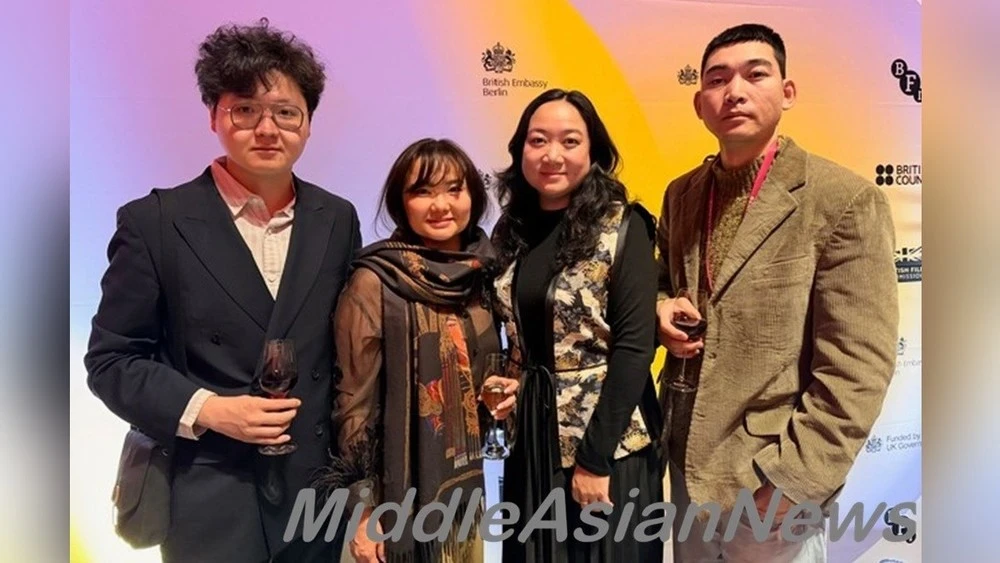
According to Nominjuyaa, the growing international recognition of Mongolian films is linked to the activities of the National Council of Cinematography of Mongolia, which promotes their visibility at major festivals and markets. “Mongolian films are starting to gain recognition,” she noted. “This is a new region, new stories, and it attracts the interest of the international community.”
When asked about the most pressing needs, filmmakers unanimously responded: “All three.” Tamir noted: “Training, local funding, and international cooperation.” For the new generation of Mongolian filmmakers, initiatives like the FilmNomad × Berlinale Talents Brunch & Pitch Session serve not only as a platform for self-expression but also as an important step towards sustainable international collaboration.