Definition of Stroke
Stroke is a serious condition that occurs due to a sudden disruption of blood circulation in the brain. This leads to brain cells being deprived of oxygen, which can cause their damage or death. Since a stroke can result in disability or death, it requires immediate medical attention.
Classification of Stroke
Ischemic Stroke
— occurs when a vessel in the brain narrows or gets blocked;
— this type accounts for about 80% of all stroke cases.
Hemorrhagic Stroke
— occurs due to the rupture of a vessel, leading to bleeding in the brain;
— hemorrhagic stroke can affect both young people and children;
— it is characterized by a severe course and high danger to life.
Symptoms of Stroke
The main signs can be remembered using the acronym FAST:
F (Face) — one side of the face droops;
A (Arm) — weakness is observed in one arm or leg;
S (Speech) — speech becomes unclear, words are lost;
T (Time) — it is important not to waste time and immediately call “103”.
Additional symptoms may include:
— severe headache;
— dizziness;
— vision impairment;
— loss of consciousness;
— balance problems.
Risk Factors for Stroke
— high blood pressure (hypertension);
— cardiovascular diseases;
— diabetes;
— smoking;
— overweight;
— sedentary lifestyle;
— chronic stress;
— excessive consumption of fatty and salty foods.
First Aid — Essential Actions!
If you suspect a stroke:
— immediately call “103”;
— lay the victim down, slightly elevating their head;
— loosen tight clothing;
— do not give food, water, or medication;
— if vomiting occurs, turn them on their side;
— calm them down and do not leave them alone;
— do not engage in self-treatment.
Treatment Methods
Stroke can only be treated in a hospital:
— restoration of blood circulation;
— blood pressure control;
— providing oxygen to the brain;
— rehabilitation (speech therapy, massage, physical exercises).
The first 3–4.5 hours are critically important — this is the so-called “golden time”.
Preventive Measures
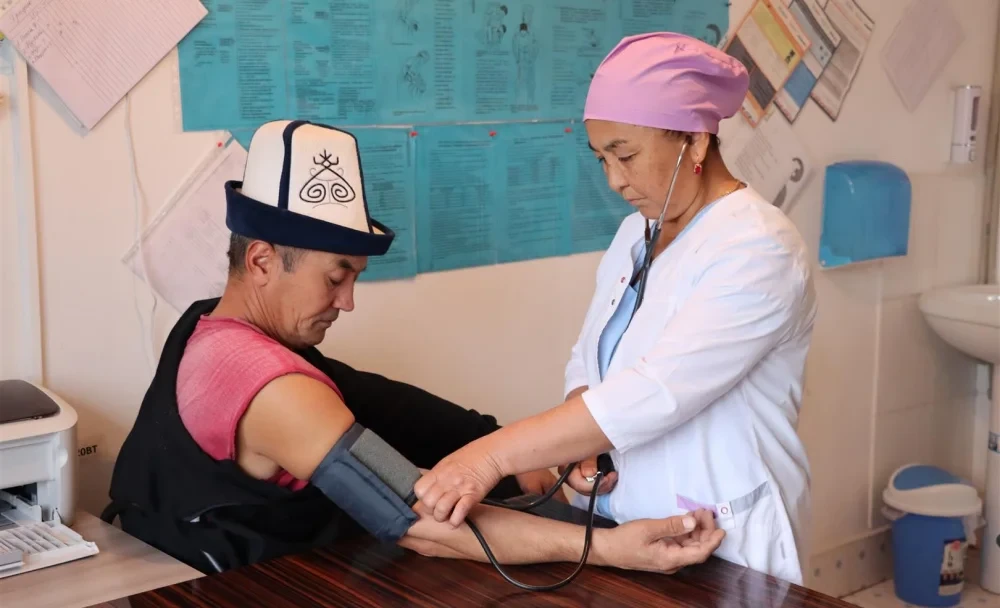
— regularly monitor blood pressure;
— reduce salt and fat intake;
— lead an active lifestyle (walking, sports);
— quit smoking and alcohol;
— keep an eye on your weight;
— reduce stress levels;
— regularly visit a doctor.
Conclusion
Stroke is a disease that can be prevented, but when medical help is sought late, it becomes extremely dangerous. It is important to know its signs, be able to provide first aid, and engage in prevention.