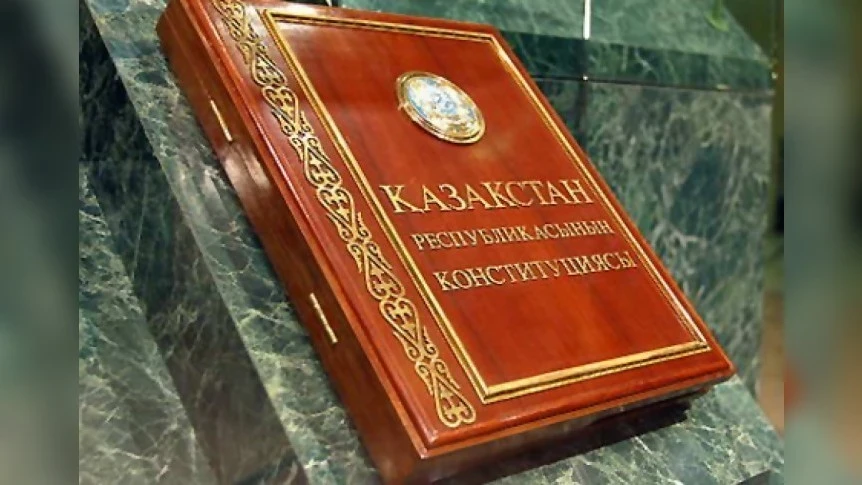
An expert commented on the second draft of the Constitution of Kazakhstan
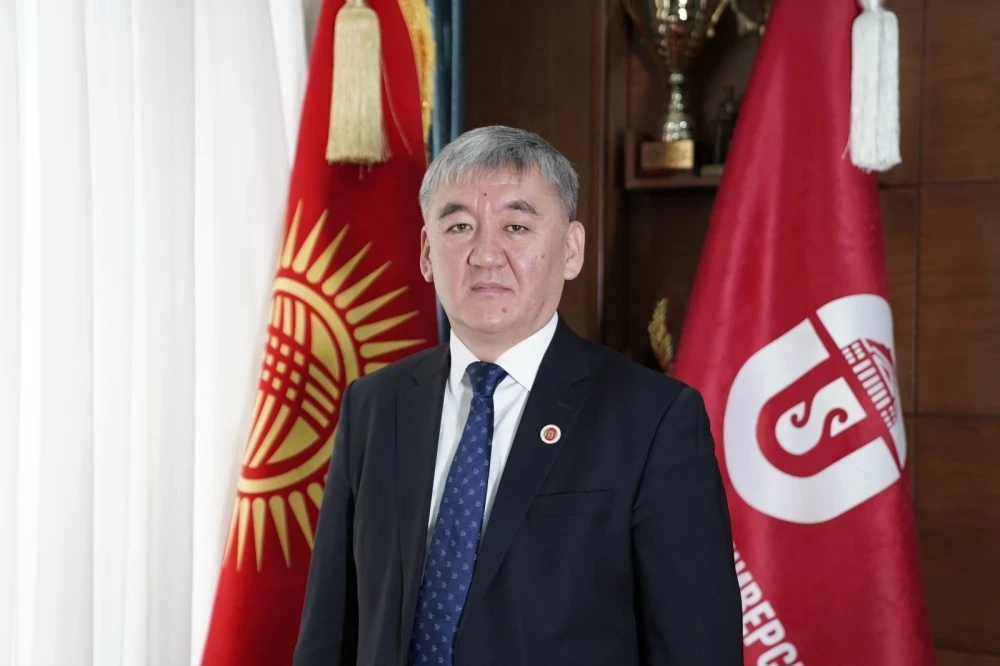
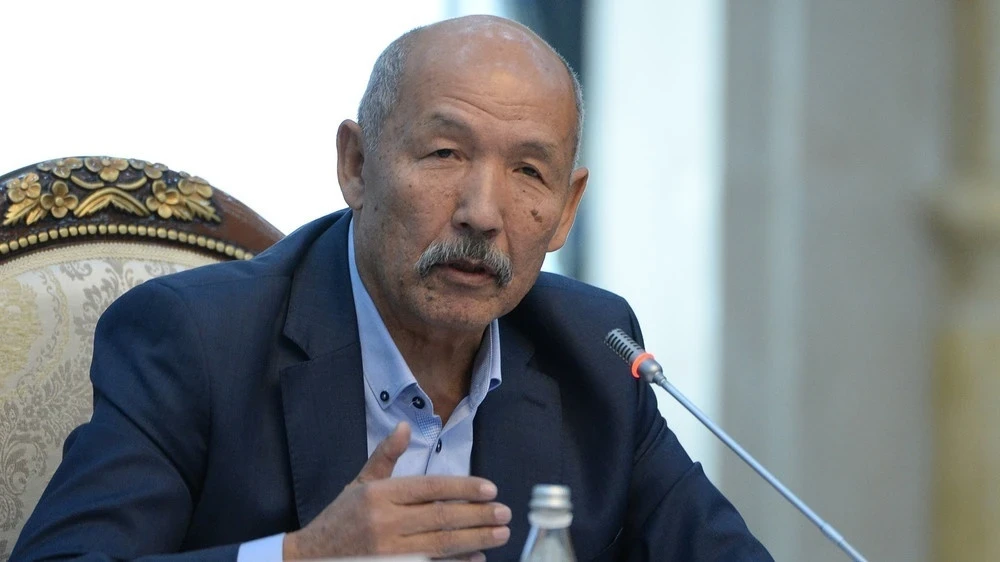
Marat Kogamov, a professor and doctor of legal sciences, as well as an honorary lawyer of Kazakhstan, shared his opinion on the new draft of the Constitution of Kazakhstan, which is awaiting approval in a referendum.
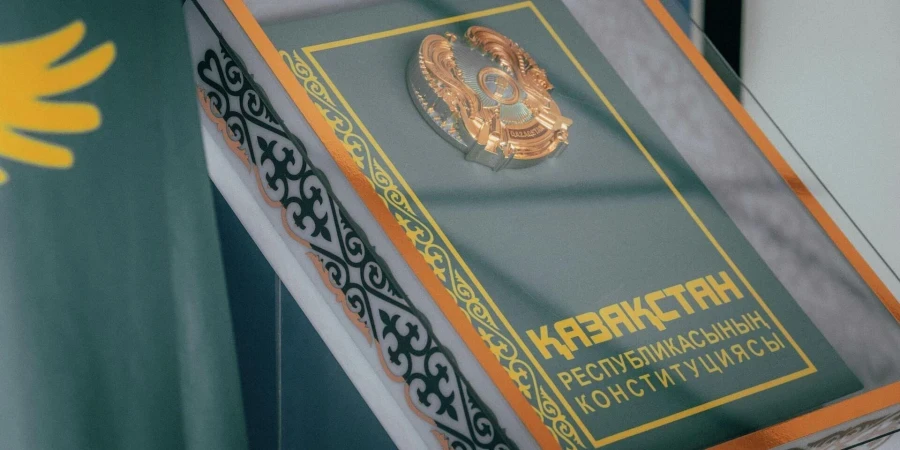
“Recently, the official media of Kazakhstan presented the final version of the second draft of the new Constitution. If the people support this document in the Republican referendum, the day of its adoption will be celebrated as a national holiday. The Constitution will come into effect on July 1, 2026.
Thus, the people of Kazakhstan are presented with a draft Basic Law that corresponds to the spirit of nomadic traditions, being clear and consistent. It is worth noting that in the history of Kazakh statehood, there have been documents such as the Great Yassa of Genghis Khan and the Constitutions of Kasym, Yesim, and Tauke khans. The Soviet and post-Soviet periods were also protected by the Constitutions of 1978, 1993, and the current Constitution of 1995.
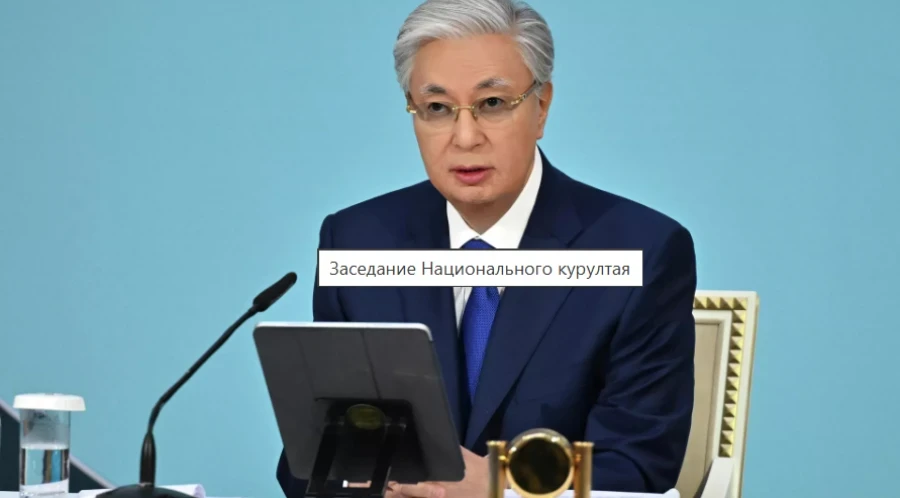
The results of my “field” analysis of citizens' opinions show that the majority of the population reacted positively to the political and legal decisions of the head of state, voiced at the last Kurultai in Kyzylorda. This is essentially the concept of the need to amend the 1995 Constitution and adopt a new version of this important legal act.
It is not surprising that the 1995 Constitution fulfilled its historical role, demonstrating both the strengths and weaknesses of our statehood. Amendments were made in accordance with the demands of the time. However, life goes on, and it is now important to take measures to preserve the legal sovereignty of the state and ensure the future of the nation.
With the emergence of the draft of the new Constitution, society has actively responded to its progressive norms, many of which were discussed at meetings of the working group and the Constitutional Commission established by presidential decree.
Every citizen's opinion matters, however, it is difficult to agree with the position of the well-known human rights defender Yevgeny Zhovtis. Recently, he published an article on the BBC News website, in which his conclusions, in my opinion, are unfounded.
First. Since 2019, the president has consistently implemented the ideology of a Just State, which includes six main principles of domestic policy. One of them is “Strong President — Influential Parliament — Accountable Government.” These principles are reflected in the draft of the new Constitution, which excludes abuses by the branches of power.
It is reasonable that the appointments of senior officials will be divided between the president and the Kurultai. The president works with these officials daily, and their appointment will occur after consultations with the Kurultai, ensuring representation of the interests of the highest legislative authority.
Thus, the new draft of the Constitution preserves the institution of immunity for senior officials while establishing clear rules for the deprivation of this immunity in criminal justice.
In this context, Zhovtis's position on the “super-presidential” regime, in my opinion, lacks legal or factual basis.
Second. Kazakhstan has always been a full-fledged participant in international documents concerning human rights, and this has never been disputed. This should be clear to Zhovtis as well.
The importance of international treaties in the legal system of Kazakhstan, respect for the principles of international law, and cooperation with other states are fundamental themes of the new draft Constitution.
It is particularly noteworthy that the procedure for the implementation of international treaties in Kazakhstan will be determined by national laws, which is necessary for the correct application of international law norms.
Zhovtis's criticism regarding Article 23 of the draft, which allegedly contains vague formulations that could limit freedom of speech, is debatable. There are no problems with the observance of freedom of speech in the country; on the contrary, there is an excess of it.
Zhovtis also does not take into account the norms of international law that impose responsibility when exercising rights related to freedom of speech.
Third. The creation of a unicameral legislative body — the Kurultai — reflects the historical traditions of Kazakh statehood and norms of customary law. All laws should be adopted in one body without re-examination, which simplifies the legislative process.
The topics of creating an influential parliament have been discussed in presidential addresses and academic discussions, which has ensured support among the population.
I can assert this as I was one of the initiators of academic discussions on this issue that took place in 2025 in Astana.
Fourth. Politics, economics, and law are the main pillars of forming any Basic Law. In this context, economic and budgetary issues are key topics for the legislative body, and Kazakhstan is no exception.
Therefore, the draft of the new Constitution includes mandatory rules for the Kurultai regarding the adoption of laws, including economic ones. The Kurultai has the right to enact laws regulating the most important social relations and establishing the principles of the state budget.
Consequently, the rights of the Kurultai correspond to the government's obligations to present the budget and reports on its execution.
Thus, the norms of the draft Constitution clearly reflect the legal subjectivity of the Kurultai as the “Influential Parliament” in relation to the “Accountable Government.” The reduction of the Kurultai's role in regulating economic policy, as Zhovtis suggests, does not align with the legal positions of the new draft Constitution.
The discussion of the norms of the new Constitution should be motivated and based on deep historical knowledge of Kazakh statehood,” Kogamov concluded.
photo www