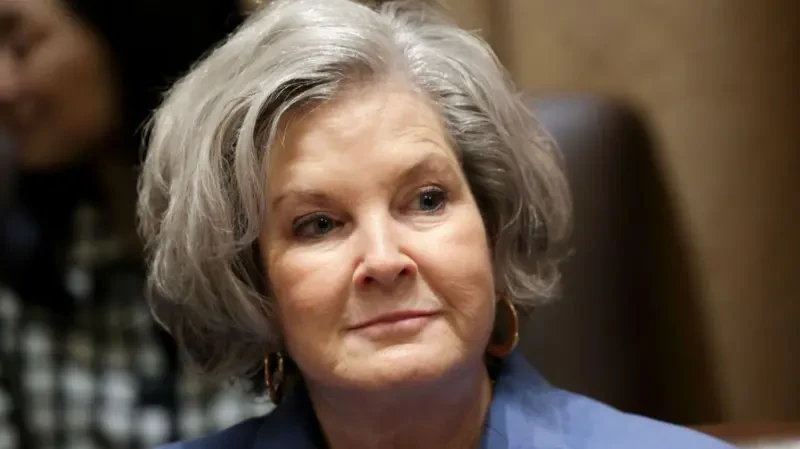
Georgieva highlighted four main factors contributing to the resilience of the global economy.
1. The Role of the Private Sector
In various countries, governments have started to reduce their intervention in corporate management, allowing businesses to take on a primary role. This approach has enabled the private sector to demonstrate flexibility and adaptability, positively impacting economic performance.
2. The State of Trade
Despite existing concerns and the imposition of tariffs, global trade has not faced serious barriers, and its impact on economic growth has been moderate. Most countries preferred not to introduce retaliatory measures and to maintain existing rules of international trade.
3. Artificial Intelligence
With prudent and responsible implementation, AI can contribute to global GDP growth by nearly one percentage point, enhancing productivity and opening up new economic opportunities.
4. Economic Policy
Georgieva noted that governments are generally managing economic policy successfully, supporting both businesses and households.
Nevertheless, she pointed out the decline in productivity as a primary structural constraint on growth, especially in developed countries. In Europe, according to her, the potential of the single market has not yet been fully realized, and completing the necessary structural reforms could significantly accelerate the region's economic growth.
Touching on the geopolitical situation, Georgieva noted that it has both negative and positive impacts on the global economy. In the context of ongoing conflicts, it is important to consider the positive aspects as well — the strengthening of regional cooperation and the emergence of new centers of economic growth in a multipolar world.
“Resilience should not be taken for granted. It needs to be constantly maintained, as ultimately it concerns the well-being of people,” concluded the head of the IMF.