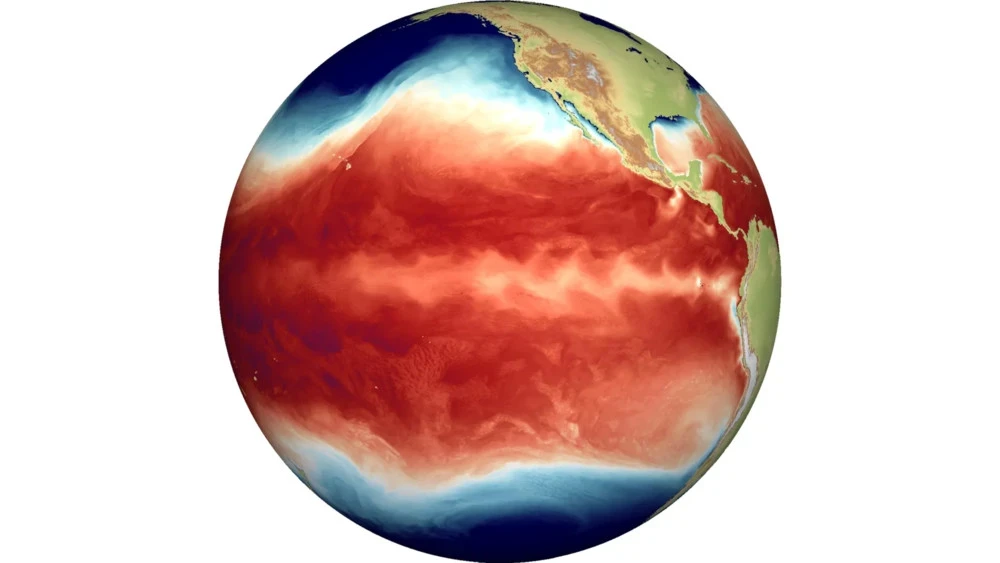
In their work, the authors analyzed data over a 120-year period (from 1901 to 2020), considering droughts as events in a global network. If the lack of precipitation began simultaneously in remote regions, they were considered "synchronized." One of the main factors slowing the spread of drought was found to be ocean surface temperature patterns, particularly the El Niño phenomenon (ENSO). These oceanic processes create a "patchwork quilt" of regional responses: while, for example, Australia or South Africa suffers from severe drought, other regions may receive an excess of moisture. The ocean acts as a kind of circuit breaker, preventing local disasters from turning into global catastrophes.
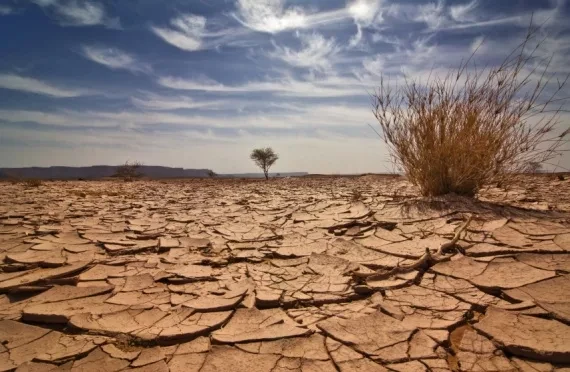
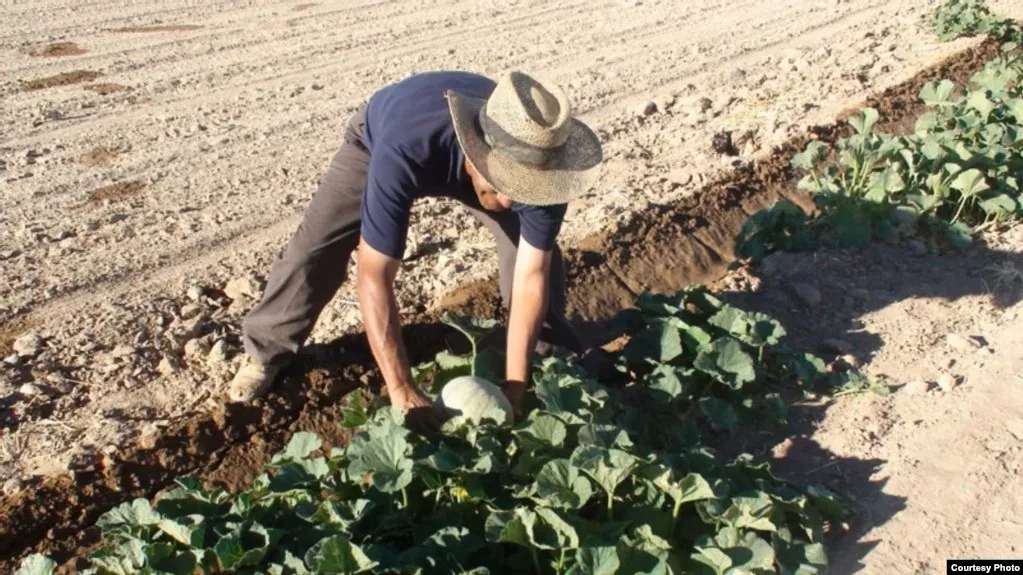
According to technical analysis, in recent decades, the deficit of precipitation has accounted for about two-thirds of the total intensity of drought. The remaining part is attributed to temperature factors: rising atmospheric temperatures lead to increased evaporation, exacerbating soil drying. Although in Europe and some parts of Asia the impact of heat is becoming increasingly significant, in major agricultural areas such as South America and Australia, the critical trigger remains the lack of rain. Even a slight moisture deficit can lead to a sharp increase in risks for the agricultural sector — the likelihood of losing corn or soybean crops under such conditions can reach 40-50%.
Scientists emphasize that understanding the "tipping points" of drought can help create a more flexible system of international trade. Since the planet does not dry out simultaneously, surpluses of food from regions with favorable conditions can smooth out market fluctuations. This transforms climatology from a theoretical discipline into a tool for stabilizing the global market before a local deficit escalates into a worldwide price crisis.