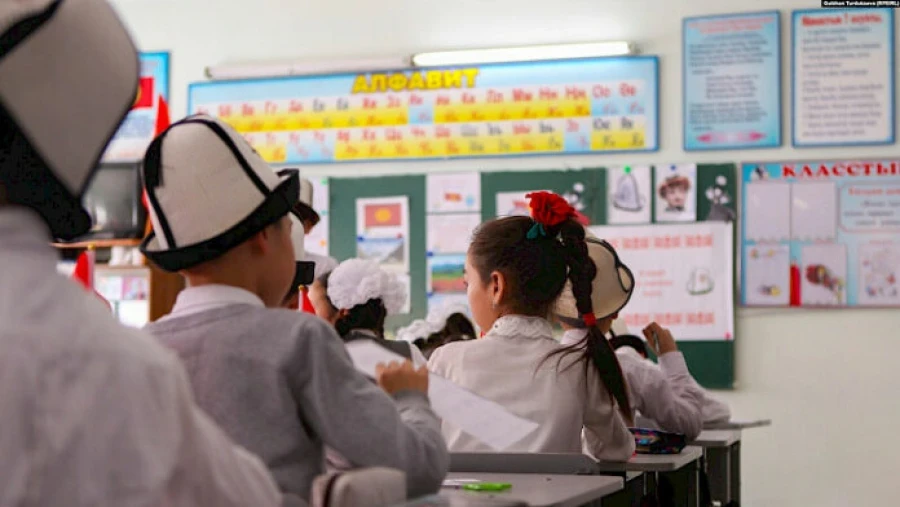
The calendar for vacations this academic year is radically different from what everyone is used to. After a long and challenging third quarter, students received only one additional day off — March 6, Friday. As a result, considering the weekends, the break lasted only three days, after which classes were supposed to resume on March 9.
This schedule has caused outrage among parents and has become one of the main topics of discussion on social media.
One mother expressed her bewilderment: "How could the vacation schedule be planned this way? Won't this lead to burnout? The third quarter lasts 80 days, and then there is only one day off. We must remember that these are children, especially the little ones, who cannot cope with such a load. There are norms that should ensure adequate rest."
Traditionally, tests and final assessments are conducted 1-2 weeks before the end of the quarter, so teachers can evaluate the level of material comprehension and, if necessary, offer additional assignments. Grades should be entered a few days before the break so that everyone has time to prepare.
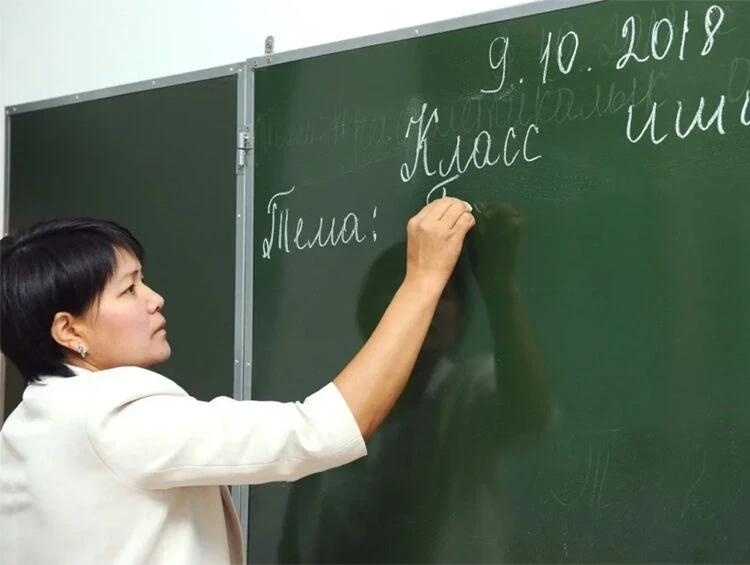
Teachers are sharing their outrage. "How can we conduct tests in 22 classes in three days and manage to enter grades? Why wasn't there a warning about such changes in advance? We need to conduct tests, enter grades, and students have to try to catch up on missing marks in three days. This is simply unrealistic," wrote a teacher on social media.
Although parents managed to extend the break, it has created a lot of problems for teachers. "Instead of calmly entering grades by March 5, now we will have to work nights until February 28. All plans are ruined," educators note.
Teachers also point out issues with the "E-Kunduluk" system, which can freeze at such moments, leading to failures.
Teachers warn that if all educators start entering grades at the same time, the system may not handle the load. They will have to record grades in paper journals and then, when the load decreases, transfer them to the electronic journal. As a result, teachers will have to work overtime. "They say they are reducing the workload, but in reality, everything is only getting more complicated," they say.
According to educators, officials at the ministry do not understand how to organize the educational process.
Teachers note: "The vacation schedule has been changed in such a way that both children and educators do not understand what is happening; the transition to online learning is announced at the last minute, and the third quarter has been shortened overnight. It creates the impression that decisions in the ministry are made spontaneously, without proper analysis," they share.
Now teachers need to urgently enter quarter grades. Some of them will even have to work in the summer to correct shortcomings. "Why couldn't the break just be shifted to March 9-15? The minister doesn't seem to care," they add.
The editorial office reached out to the Ministry of Education for comments:
- Why was the extension of the break not communicated in advance so that teachers could organize the end of the quarter?
- Why couldn't the vacation dates be moved, for example, to March 9-15 or left as they were - a week after Nooruz?
Teachers are asking: will the exam schedule be changed? And, most importantly, almost the entire month falls out of the educational process, as the load is distributed unevenly: after 10 days of rest, children will have 15 days of study until the summer break. Returning to a normal rhythm, mastering the curriculum, and preparing for exams under such conditions will be difficult.
Comment from the Ministry of Education
The Ministry of Education commented on the situation to Kaktus.media. The department noted that according to the approved curriculum, the completion of the academic quarter and the issuance of final grades are scheduled before the start of the spring break. The changes in the spring vacation schedule are that they begin on March 2, and the last school day is February 27, Friday."We emphasize that the calendar planning initially takes into account reserve hours and the need to conduct tests during the quarter. Assessment should be evenly distributed throughout the entire academic period," the ministry explained.
The ministry understands the concerns of educators regarding the workload at the end of the reporting period and recommends schools:
- to ensure rational distribution of tests and assessments;
- to use reserve hours if necessary;
- to organize work for timely entry of grades without creating excessive workload for teachers.
"When forming the academic year schedule, not only the even distribution of workload between quarters is taken into account, but also the presence of official non-working days.
In particular, the IV quarter includes additional days off related to the Orozoi Ait holiday and May holidays. During this period, according to labor legislation, non-working public holidays are established, which reduces the actual number of school days in the IV quarter.
If the spring break had been postponed to a later date, it would have led to a significant increase in the duration of the III quarter and a reduction of the IV quarter, disrupting the balance of school days.
Thus:
- there would be a need to compress the educational programs in the IV quarter;
- the workload on students and educators would increase in the final period of the academic year.
Thus, the current vacation schedule has been formed taking into account all factors: the annual norm of school days, the even distribution of workload across quarters, and the presence of public holidays in the IV quarter.The ministry, in making such decisions, is guided by the need to maintain a balanced educational process and ensure the implementation of educational programs without overloading students," the department's statement reads.
The ministry emphasized that the extension of the break was made in the interests of students and their families.
"The changes do not go beyond the approved curriculum and do not require a revision of the volume of the educational program. The ministry calls on schools to organize internal processes in such a way as to maintain a balance of interests among students, parents, and educators, and to strictly adhere to the schedule," the ministry's response concluded.