Photo from the internet
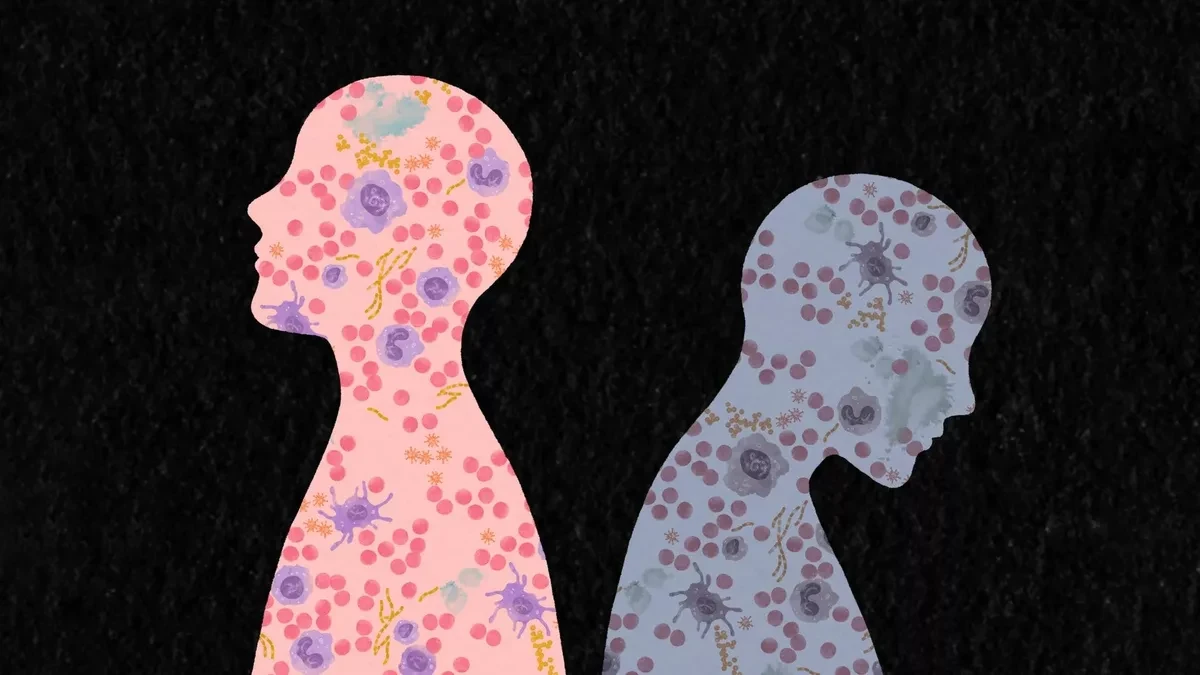
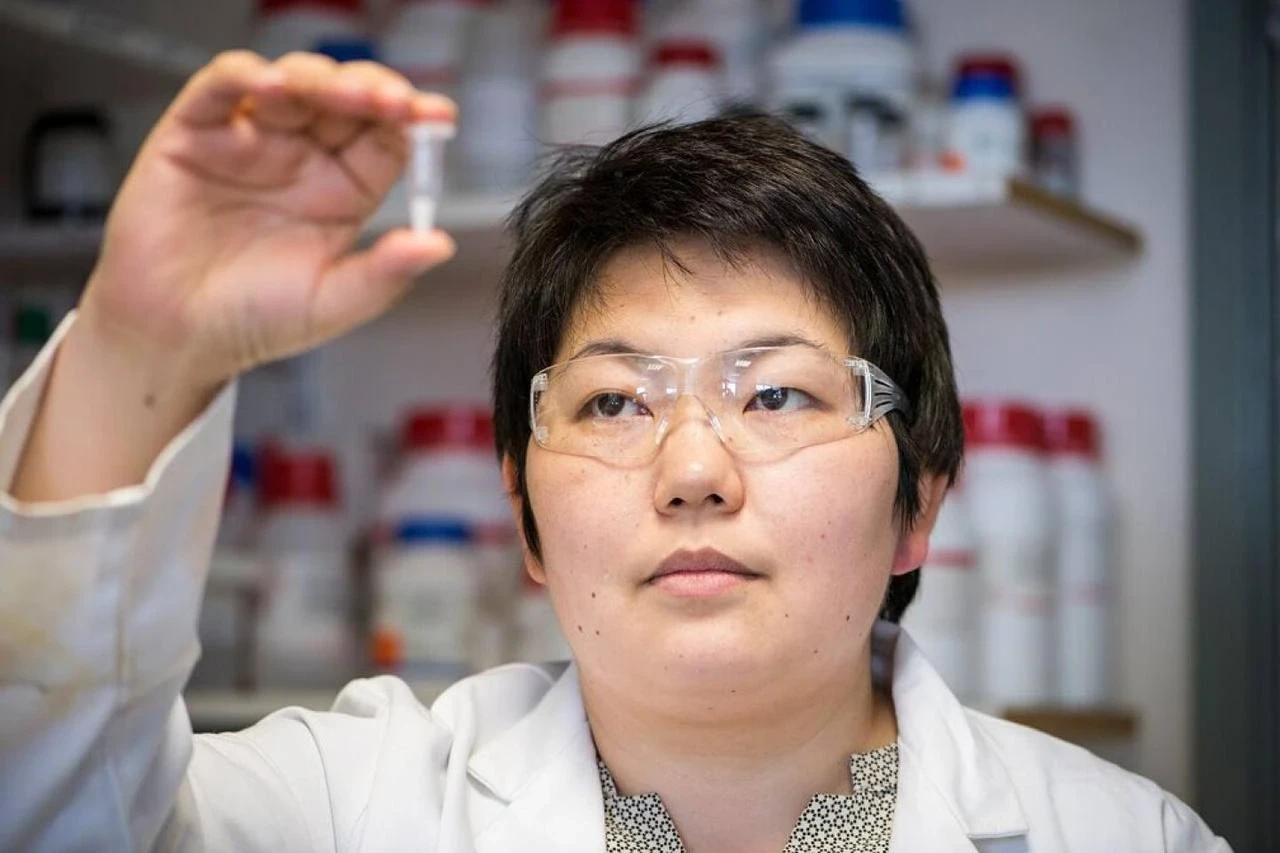
Asel, hailing from a small village in Kyrgyzstan, developed a unique technology called "ensilication," which is a silicon protective shell. This technology allows vaccines to retain their properties even at high temperatures, significantly reducing the amount of lost products during transportation and making vaccination more accessible in remote regions where a stable cold chain is lacking.
After graduating from university in Bishkek, Asel continued her studies at Cambridge. She is currently an associate professor of chemistry at the University of Bath in the UK and the founder of EnsiliTech, a company that implements her scientific developments in vaccine production.
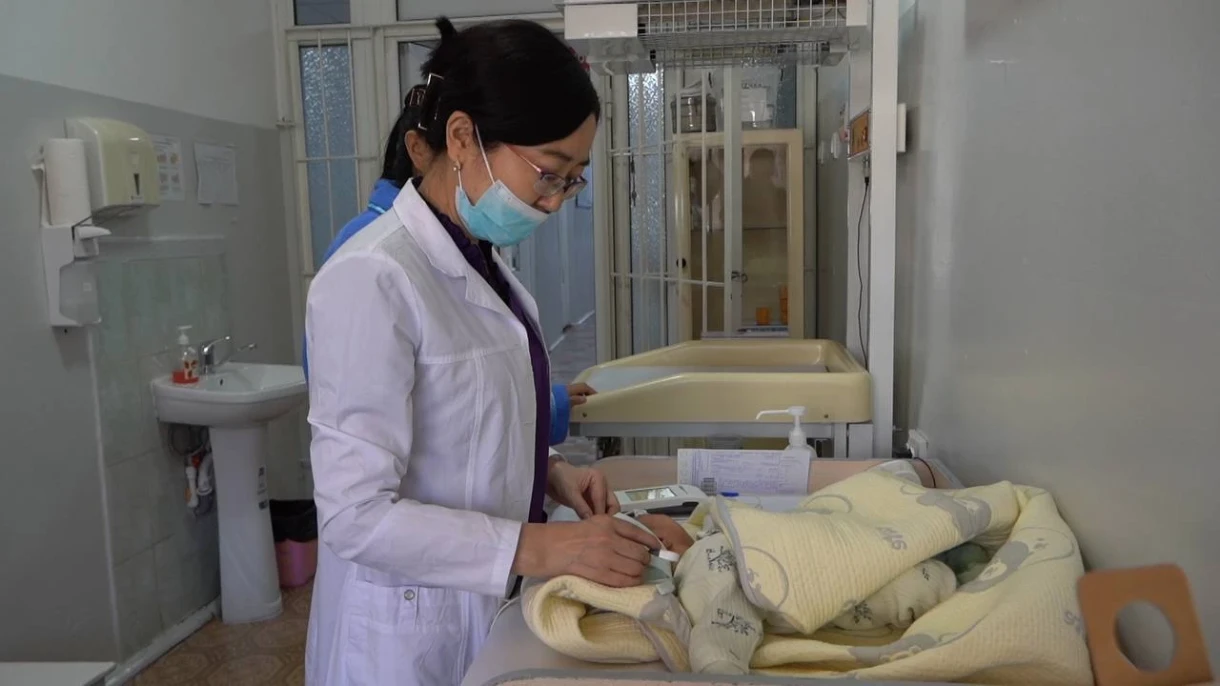
Asel's idea arose when she witnessed a doctor taking a vaccine out of the refrigerator to vaccinate her daughter. The scientist pondered how to teach biomolecules to "survive" heating, addressing one of the most pressing issues in healthcare.
According to the UN, Asel Sartbaeva's work is particularly significant for low- and middle-income countries, where challenging vaccine delivery conditions are often due to electricity shortages and logistical problems.
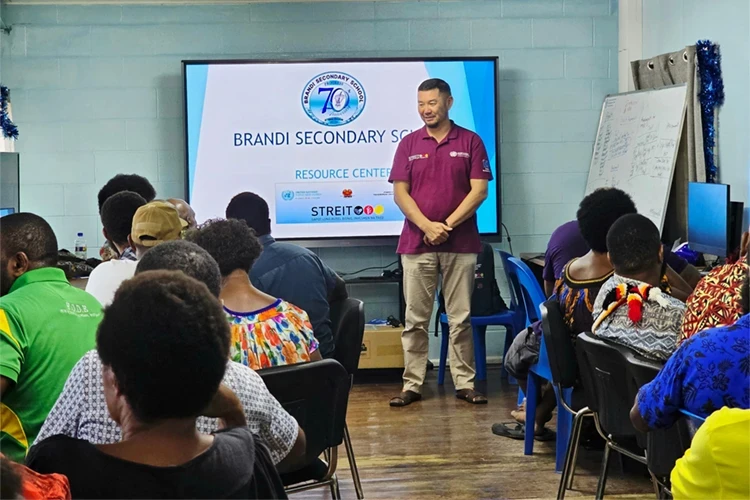
In addition to her scientific work, Asel actively participates in educational initiatives, including the UNICEF program "Girls in Science," aimed at helping schoolgirls in Central Asia master STEM disciplines.
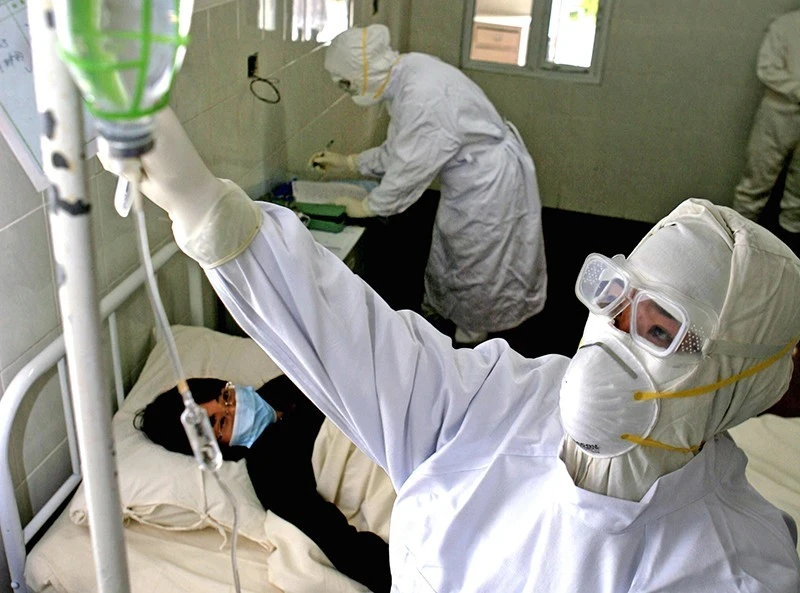
During the COVID-19 pandemic, the EnsiliTech technology underwent successful trials, demonstrating its immense potential for improving global health.