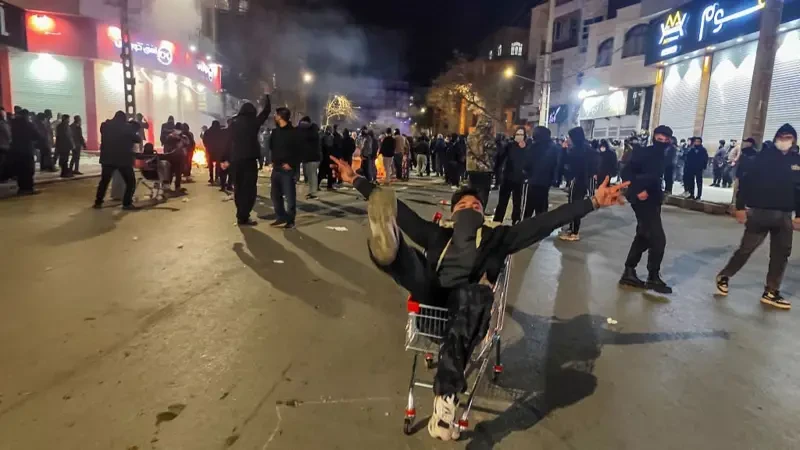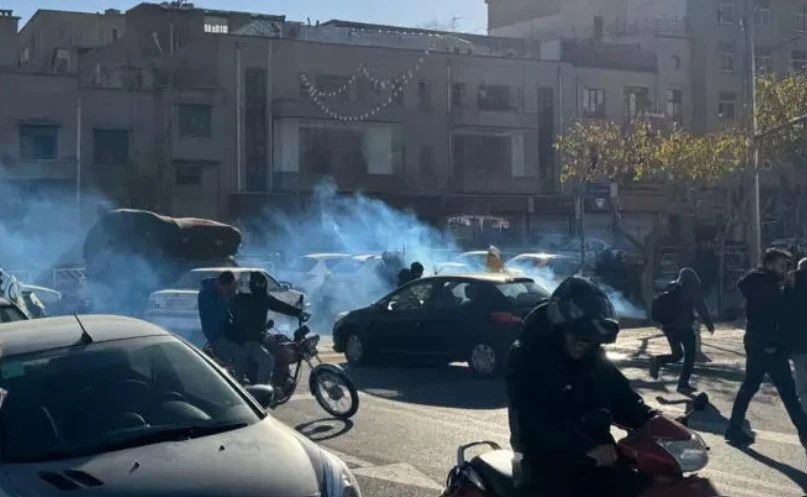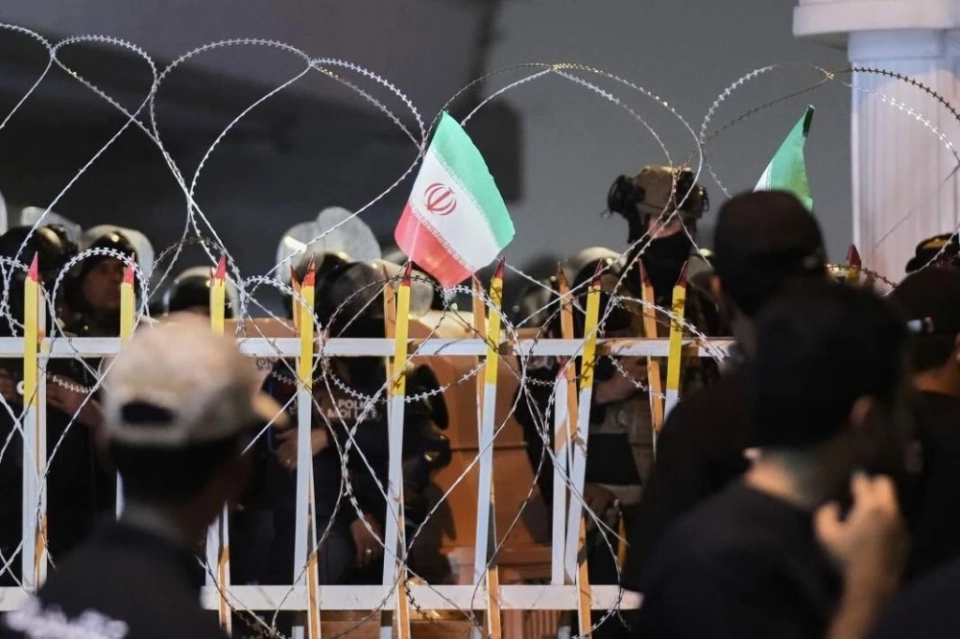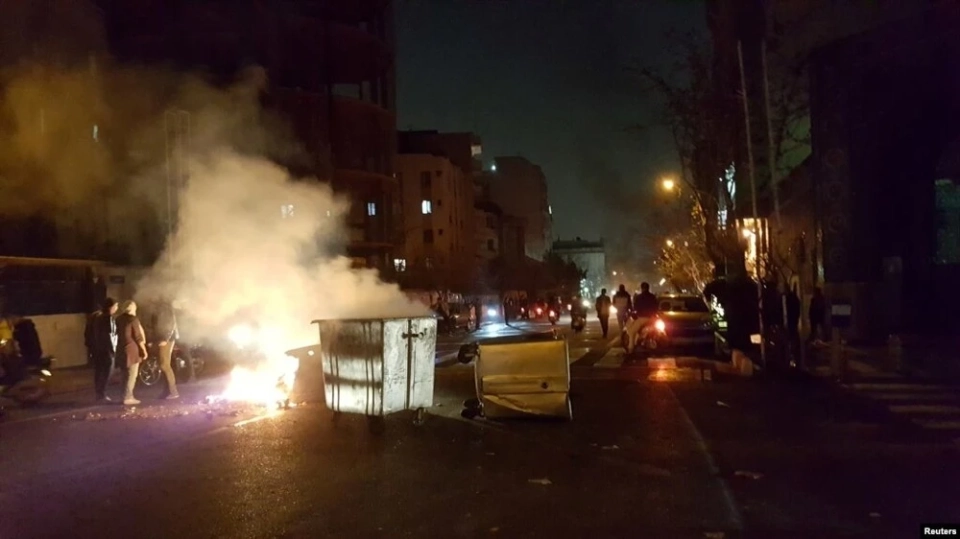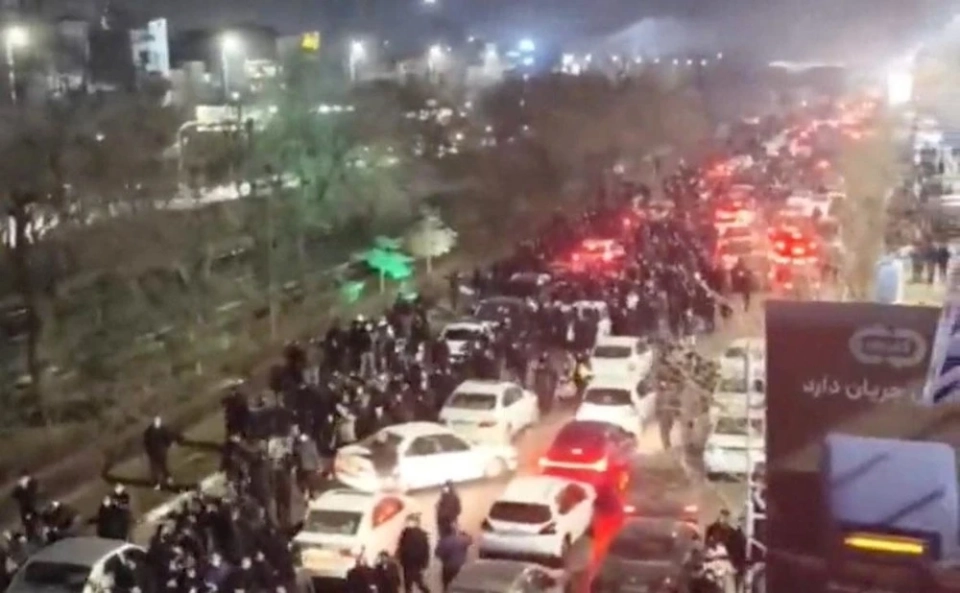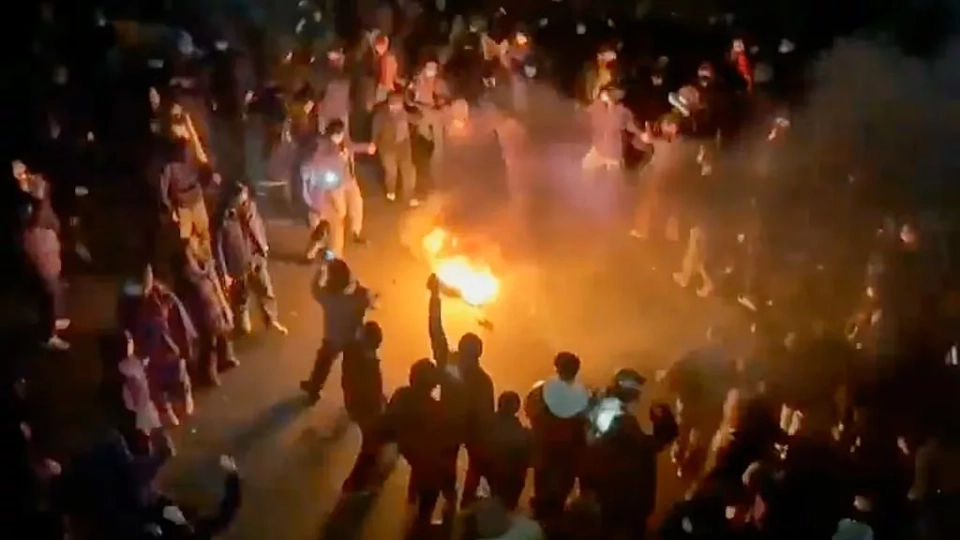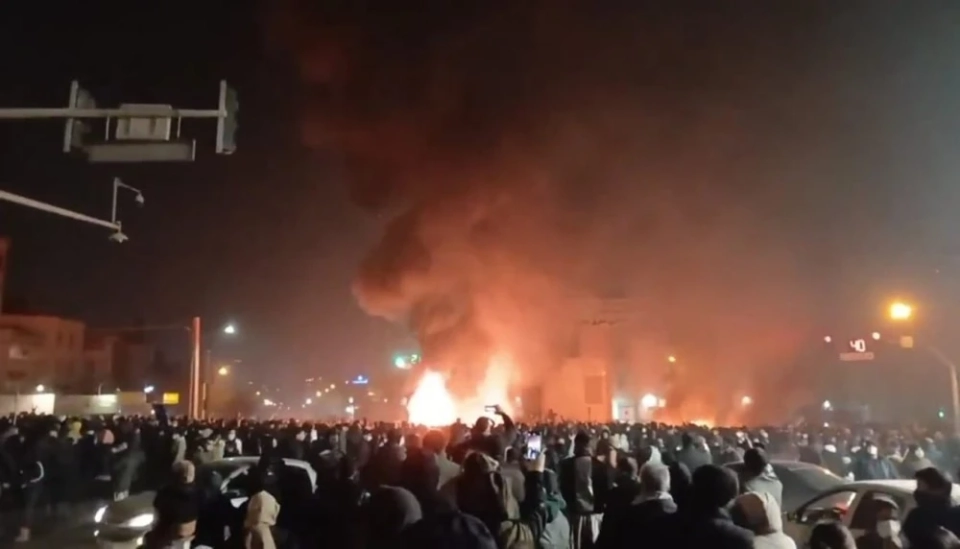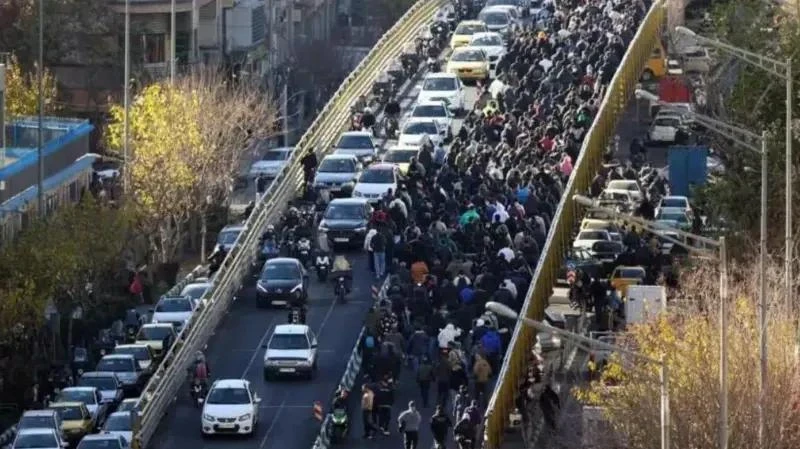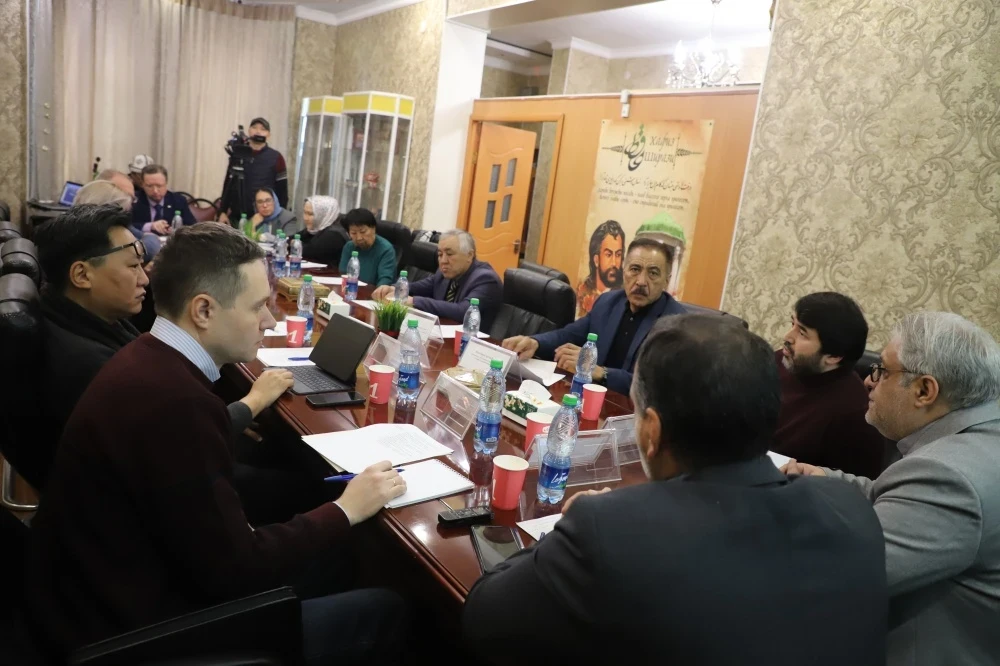
During the discussion, it was emphasized that rising prices, inflation, and deteriorating living conditions became the main reasons for the peaceful protests that began in commercial areas. However, subsequent acts of violence targeting state institutions and infrastructure indicate the interference of destructive forces in the protest movement.
Mahdi Bazazaan, the acting Cultural Representative of Iran in Kyrgyzstan, noted that the events in Iran are not unexpected. He emphasized that socio-economic difficulties indeed provoked discontent that began in the markets of Tehran.
At the initial stage, protesters could count on a dialogue with the authorities, who recognized their right to peaceful demonstrations, indicating the presence of democratic mechanisms in the country. However, in early January, the situation changed when external forces began to actively intervene in the protest movement, calling for violence.
The expert noted that it was at this moment that the protests began to radicalize: armed attacks, arson, and casualties among civilians and law enforcement emerged. In response, the authorities restricted internet access to prevent the coordination of unrest.
According to Hasan Chupan, the director of the Cultural and Information Representation of "Fars News" in Bishkek, the key trigger for the protests in Iran was a socio-economic reform related to changes in the system of state subsidies. Iran had allocated tens of billions of dollars for years to subsidize essential goods, but a significant portion of these funds did not reach the population.
After the decision to transition to direct payments to the population instead of subsidizing imports, there was a sharp rise in prices, which caused discontent, especially among the middle class. This, according to experts, became the catalyst for the protests that began among traders.
"The situation was exacerbated by sanctions and the lack of systemic reforms. Despite the change of several governments, structural problems in the economy remained unresolved, undermining public trust in the authorities," Chupan emphasized.
Many roundtable participants agreed that the events in Iran represent an example of managed destabilization, where socio-economic discontent became a tool for external intervention.
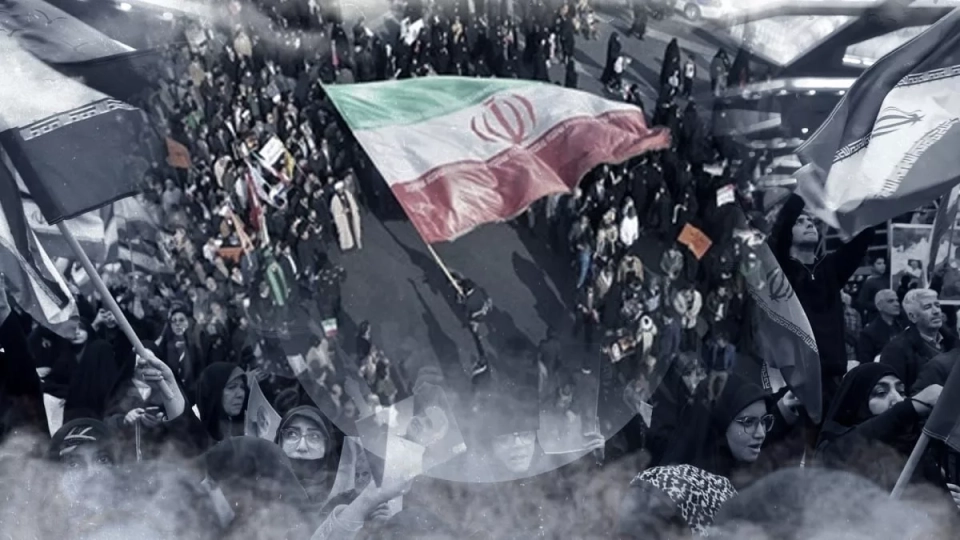
Bazazaan noted that the methods used against Iran resemble the technologies of color revolutions and hybrid warfare previously employed in other countries. He emphasized that support from the population, expressed in rallies in defense of the state, remains an important factor for the country's resilience.
Experts also discussed the role of the informational dimension of the conflict. Fake news and manipulative visual imagery have become key pressure tools, and the information war in Iran is being waged alongside street confrontations.
According to Oroskulov, to achieve their goals, the organizers of the protests actively use propaganda and psychological methods, as well as cyberattacks on state information systems.
Roundtable participants concluded that hybrid technologies of violent regime change have become a constant risk factor for Central Eurasian countries, and a comprehensive approach will be required to counter such scenarios.
In conclusion, the general noted that the events in Iran require serious analysis, as they may impact security and stability in the region. Participants agreed that in the future, it is necessary to consider the accumulated experience and learn from mistakes to prevent the recurrence of similar situations.
The roundtable was the first event within the "Central Eurasia" initiative and marked the beginning of further discussions on pressing security issues in the region.