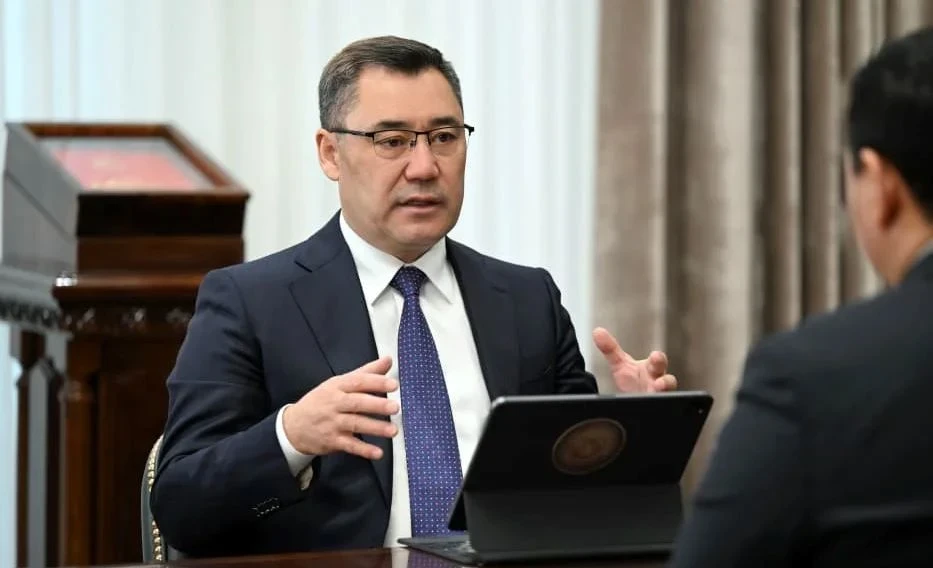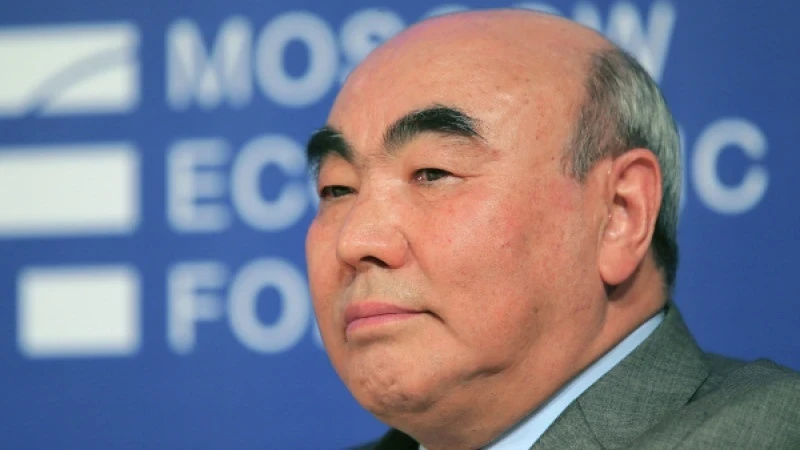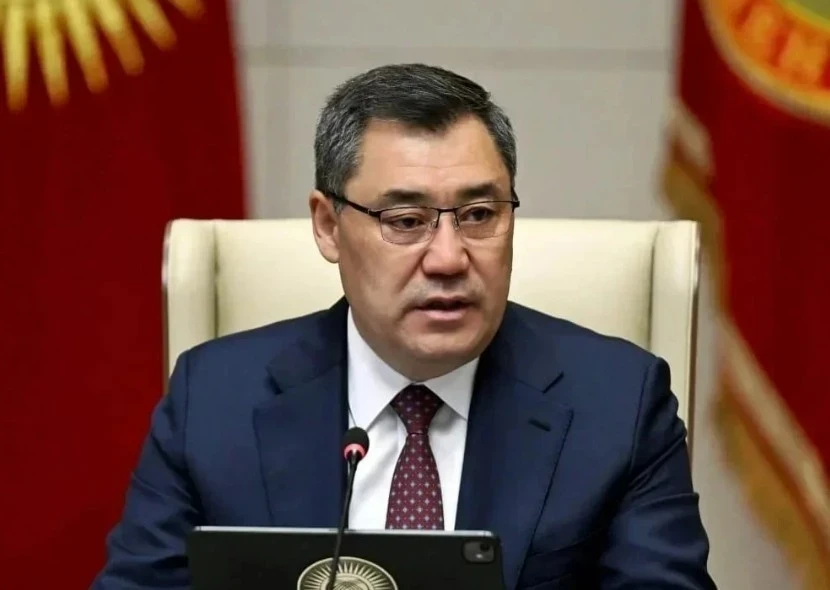
In his interview with the news agency "Kabar," President Sadyr Japarov responded to remarks regarding freedom of speech and human rights in Kyrgyzstan. He noted that citizens have the right to express their opinions freely and that freedom of speech in the country has not worsened.
– Good afternoon, Sadyr Nurgozhoevich! On January 28, you marked the fifth anniversary of your presidency. What do you think has changed in Kyrgyzstan during this time? The work of your team is actively discussed in the media, including in neighboring Kazakhstan and Uzbekistan.
It is noted that many long-term problems have been resolved, major international projects have been launched, and relations with partners have improved.
However, some media, in addition to positive aspects, point out shortcomings. In particular, they express concern about the deterioration of freedom of speech and human rights. How do you comment on these claims of a possible regression to undemocratic practices?
– Hello. We have both freedom of speech and democracy. Compared to the past, the current situation with freedom of speech has not worsened; it may have even improved. Citizens openly express their opinions on various issues—social, political, as well as government decisions and personal problems—on social media and in the media. No one restricts or suppresses them.
Some may ask: "Aren't people detained by law enforcement agencies? Aren't human rights being violated?" But it is important to remember that freedom of speech and democracy require responsibility.
Law enforcement agencies do not detain those who simply express an opinion. Detentions occur in relation to those who, under the guise of freedom of speech, attempt to destabilize the situation in the country or call for violations of constitutional order. Should we simply ignore this?
Detaining a person is a serious step. Authorities act based on court decisions and gather evidence, including audio and video.
For example, last autumn, the public could observe how one of the party representatives discussed organizing mass riots with a foreigner and asked him for financial assistance.
When someone breaks the law, they may claim to be journalists or bloggers. We do not oppose journalism and blogging, but we urge everyone not to use freedom of speech as a cover for illegal actions.
Some, citing freedom of speech, incite enmity between regions. If their statements divide the people along territorial lines, should we just watch this?
Those who want to hold protests can gather in Gorky Park, invite the media, and express their demands. The main thing is not to interfere with the work of government bodies. Such practices are common in many countries.
As soon as someone speaks out, they immediately cite developed countries in Europe and America as examples. But what is really happening there? In the USA, immigration police shot two citizens under the pretext of disobedience, and Trump sued the BBC for 5 billion dollars.
As for Europe, in almost all countries, demonstrators are dispersed by force, activists are arrested, and kept under surveillance. This is reported by both the media and international research institutes. This is not always a bad thing. In my opinion, state integrity, security, and interests are coming to the forefront in the world today.
Undoubtedly, this serves the interests of society, including those citizens who sometimes, succumbing to emotions, speak of "lack of freedom of speech" or "violation of democracy."
Thus, as I mentioned earlier, there are no restrictions on freedom of speech or human rights. Claims by certain websites that "there is no freedom of speech" or "human rights are being violated" have no basis.