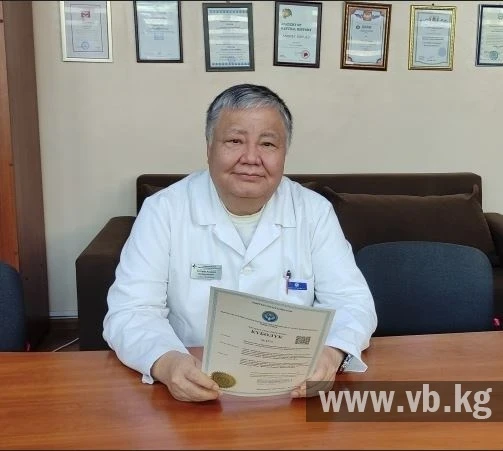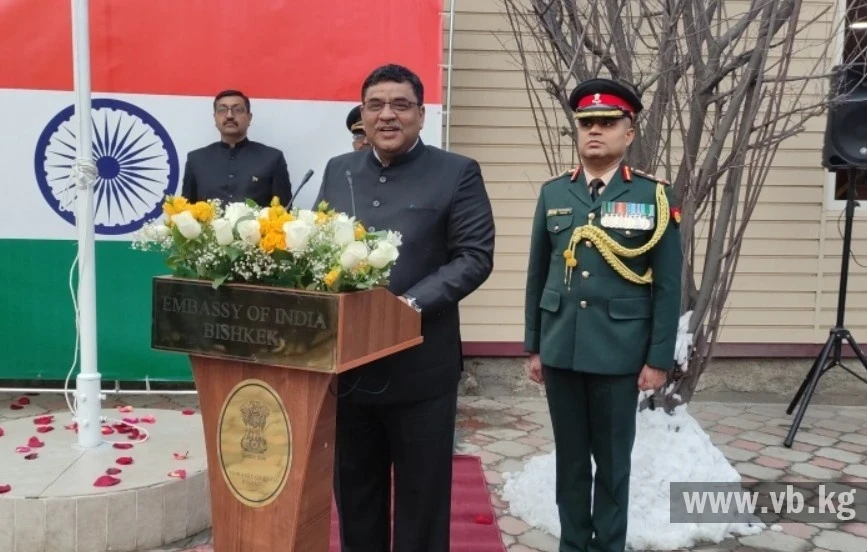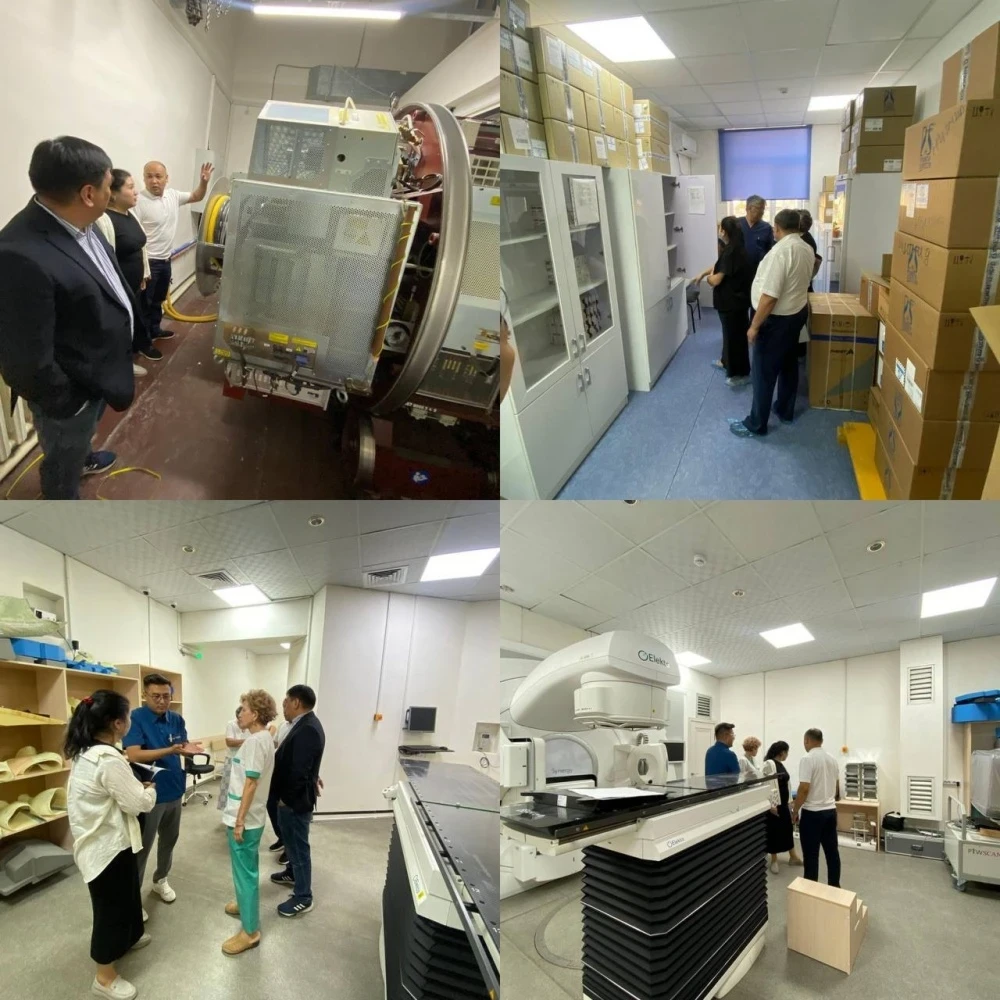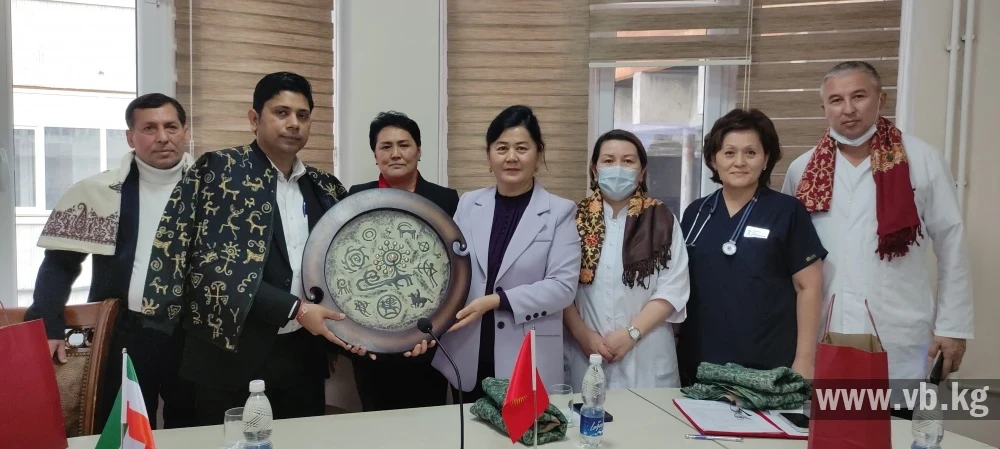
According to Jumagul Omorova, the director of the "Clinical Hospital," a memorandum was signed last year with the Indian organization "Global Medical Assistance," which unites a network of medical institutions in India. This document not only provides for medical consultations but also aims to enhance the qualifications of Kyrgyz doctors, exchange knowledge, especially in the field of transplantation, and conduct teleconferences to implement new diagnostic and treatment methods in the practice of Kyrgyz doctors.
She added that Kyrgyz specialists have already visited three high-tech hospitals in India, where professionals in various fields of medicine, including heart transplant surgery, work. Indian colleagues enthusiastically expressed their willingness to share their experience and support Kyrgyz doctors.
Jumagul Asanovna noted that telemedicine opens new horizons for Kyrgyz medicine. "No country can solve healthcare problems on its own, so international cooperation is key to the development of the national healthcare system," she emphasized. The equipment provided to Kyrgyz medical professionals represents not just technical assistance but an important step towards productive collaboration and improving the quality of medical services for patients.
Rosa Mamyrbaeva, Deputy Chief of Staff of the President of the Kyrgyz Republic, also noted the growing popularity of telemedicine worldwide. Digital health is becoming a strategic direction for many countries, and Kyrgyzstan is actively working on the implementation of information technologies in medicine.
According to her, the application of telemedicine is extremely important for more accurate diagnosis and timely assistance to the citizens of the country. Rosa Kurmanbekovna expressed gratitude to Indian colleagues for the opportunity to exchange experiences and knowledge.
The role of Indian doctor Prem Kumar, who has been working at the "Clinical Hospital" for almost 18 years and has contributed to the implementation of telemedicine, is also significant. He noted that Indian doctors receive quality education, with more than 30,000 doctors graduating each year in the country. More than 10% of doctors in the USA were trained in Indian universities, highlighting the high level of training.
India is also known as a center for medical tourism, attracting patients from around the world due to the high quality of medical services and affordable prices. However, as surgeon Azat Togochuev noted, Kyrgyz doctors are skeptical about medical tourism.
He expressed hope that cooperation with Indian colleagues will lead to practical results, including the possibility of performing organ transplant surgeries at Kyrgyz hospitals. "For now, we are sending patients abroad for surgery, but we would be happy to adopt the experience of Indian specialists," he added.
Gulshan Dolonbaeva, Deputy Director for Medical Affairs, confirmed that they have all the conditions for performing surgeries but lack experience. "The experience of our Indian colleagues would be very useful to us, especially in light of the relevance of the liver transplantation issue in Kyrgyzstan," she noted.
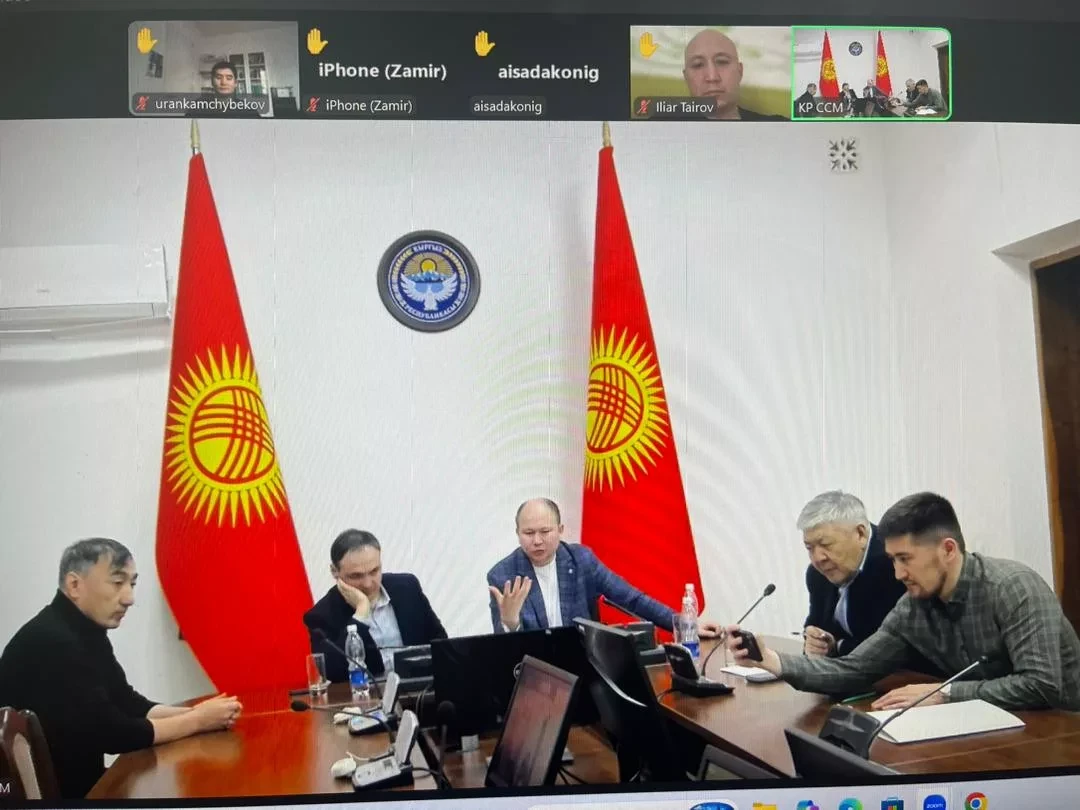
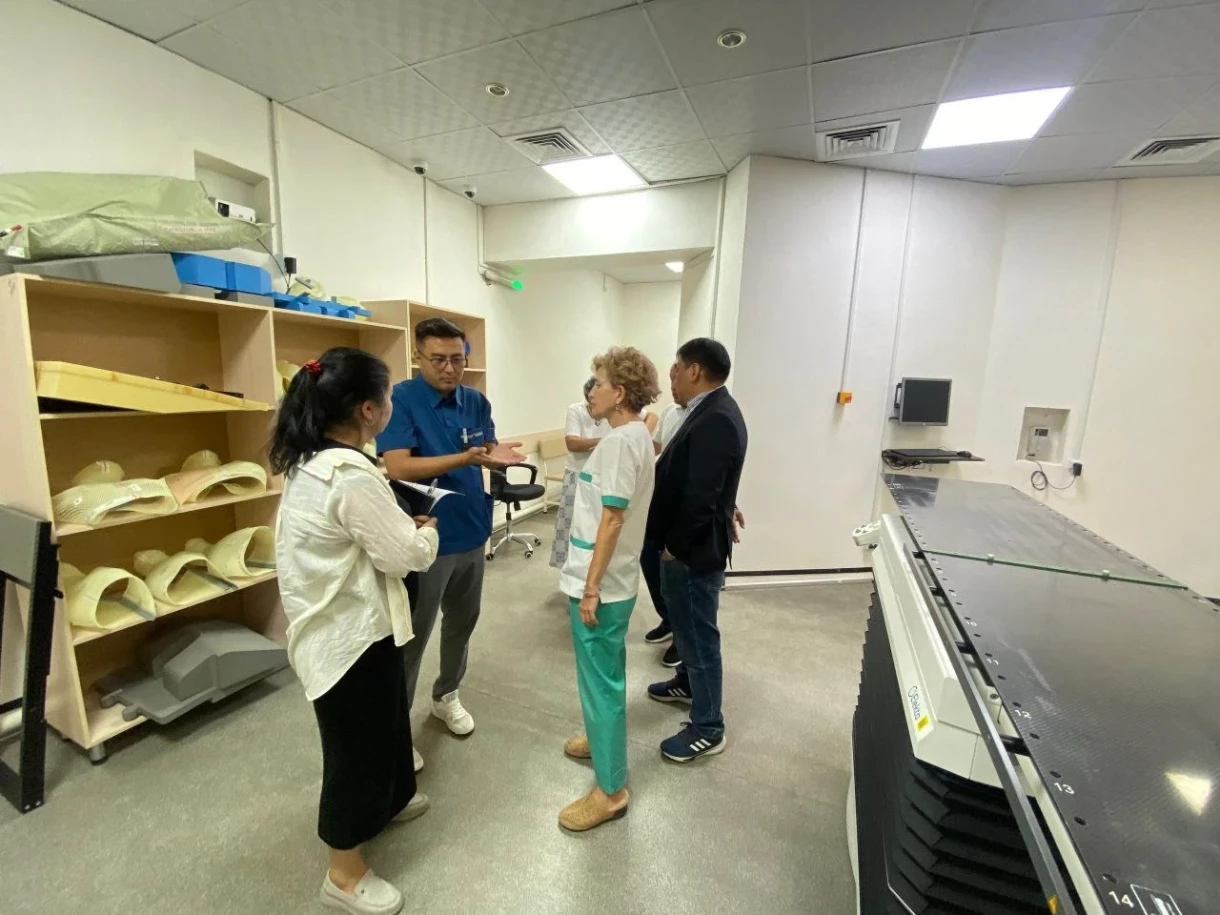
The transfer of equipment concluded with a demonstration of telemedicine capabilities, during which Kyrgyz doctors were able to establish communication with Indian colleagues, with whom they will work for the benefit of patient health.